The Ferrari F40 is not just a car; it’s an experience. It embodies the spirit of raw performance and the passion for driving, much like a rockstar on stage that vibrates under the applause. This supercar, born in the 80s, continues to turn heads and electrify enthusiasts. Let’s dive into its fascinating world and discover how this Italian monster has conquered the hearts of car lovers.
An iconic design
Designed by Pininfarina under the guidance of Leonardo Fioravanti, the F40 is a bold statement on four wheels. Its sculptural lines and low silhouette evoke race cars, like an Olympic runner ready to leap at the sound of the gun. It’s a supercar that doesn’t hide; it proudly displays its aggressive curves and wide body that seem to say, “Look at me, I’m here to make noise!”
Its construction cleverly blends steel and composite materials, with Kevlar body panels that add to its lightness. This technical choice is the opposite of contemporary electronic trends. At a time when most other manufacturers marveled at technological gadgets, Ferrari chose the purity of mechanics, creating a raw, stripped-down model that is pure pleasure. If you hope to find luxurious touches inside, prepare to be surprised. It’s spartan, but that’s exactly what purists love.

Ferrari F40 (1989)
A dream engine
At the heart of this beast lies a 2,936 cc twin-turbo V8, derived from that of the 288 GTO. With power soaring up to 478 hp, this engine is a true mechanical gem. Imagine yourself at the wheel, the engine roaring like a hungry lion, ready to devour the asphalt. Thanks to its generous torque, the F40 doesn’t just accelerate; it literally catapults you forward. The 0 to 100 km/h is achieved in under four seconds, leaving you just enough time to take a sip of water before taking off again!
However, you must keep a close eye on the maintenance of this block. Ferrari recommends a check every 5,000 km, but many enthusiasts prefer an annual inspection to avoid any nasty surprises. Make sure the engine runs smoothly and that there are no oil leaks, as even a small detail can cause big troubles.
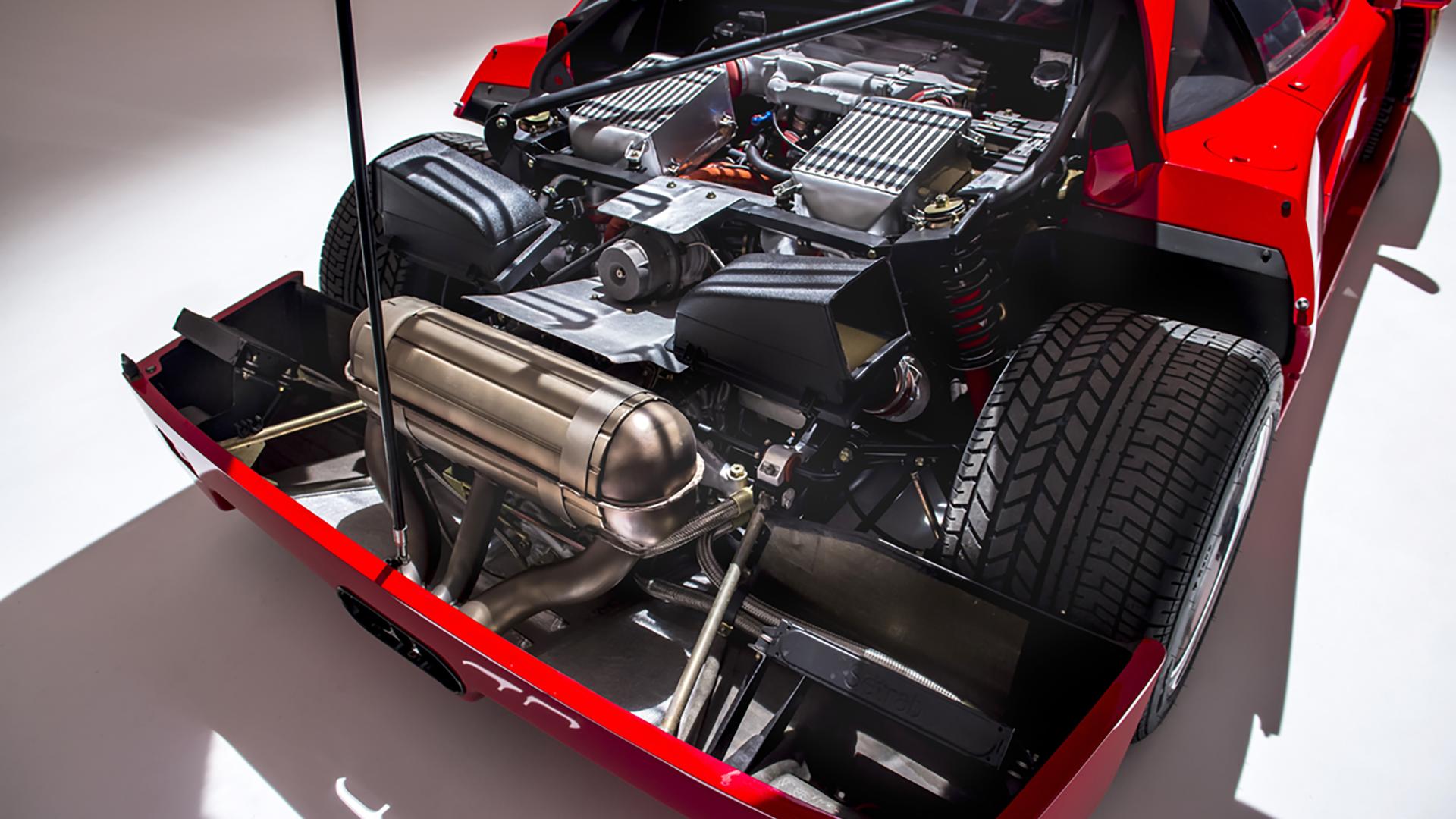
1989 Ferrari F40
A gearbox that requires finesse
The five-speed manual gearbox requires a bit of attention to give its best. It’s like dancing with a demanding partner; you need to learn to know its moves to avoid stepping on toes! With sporty use, expect to have to replace the clutch after a few thousand kilometers—a rite of passage for any dedicated driver.
However, for those who master this delicate art, each gear shift becomes a moment of pure communion between man and machine. The tactile sensation is indescribable, reminiscent of the greatest moments of a rock concert where every note resonates with intensity.
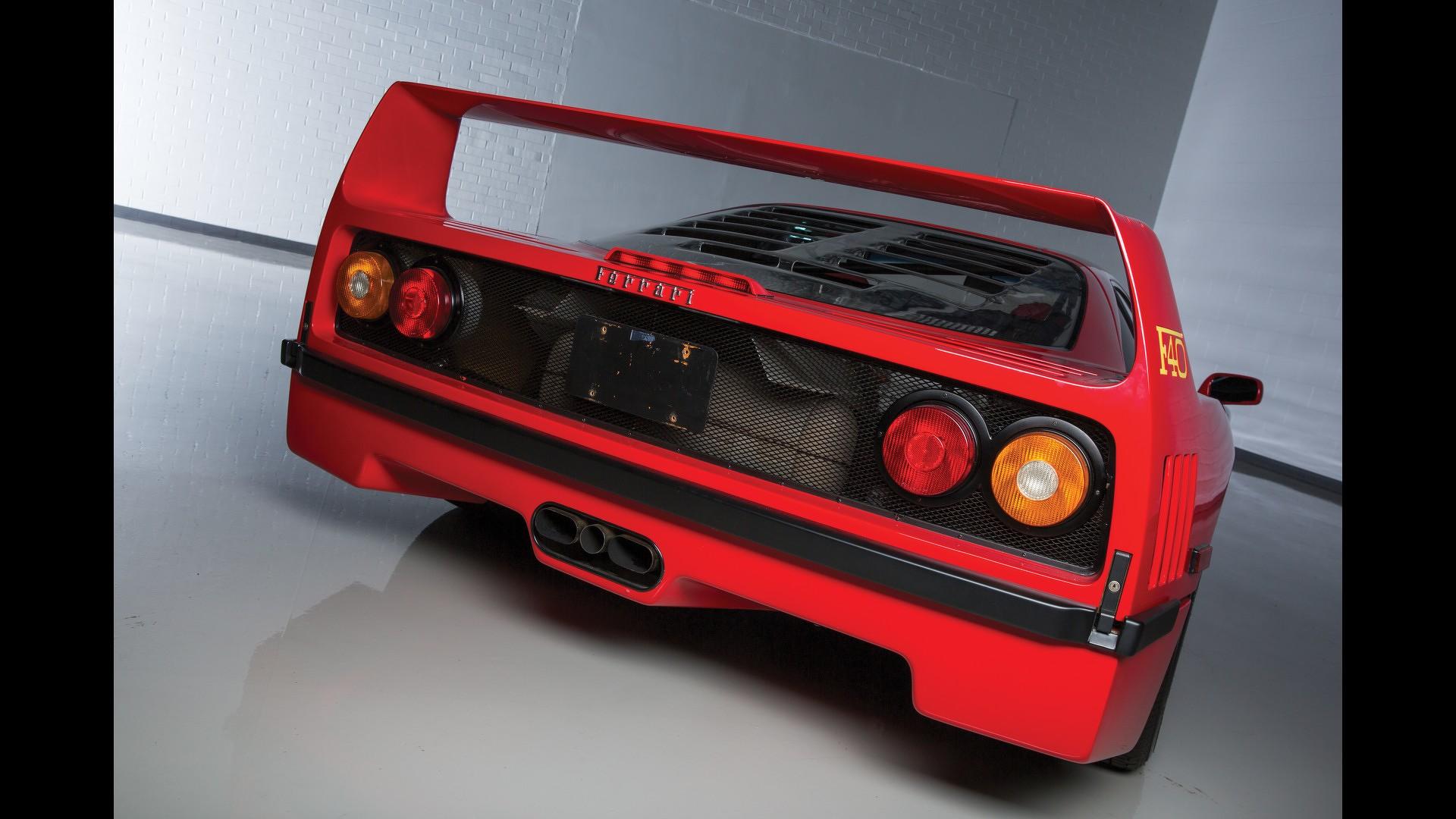
1991 Ferrari F40
Suspension and brakes: between performance and safety
The F40’s suspension has undergone few evolutions over the years. The early models feature a classic setup, while more recent versions offer an adjustable suspension option. This allows for height adjustments based on personal preferences, but some purists prefer the simplicity of fixed settings.
The Brembo brakes, although criticized by some for their lack of endurance on the track, prove more than sufficient for classic road use. However, pay attention to their condition: a simple disc replacement can cost a small fortune. And if you plan to drive your F40 on the track, don’t hesitate to opt for upgraded brakes—it could save you from a few scares!

Ferrari F40 1989
Bodywork: a masterpiece to maintain
The exterior design is both elegant and functional. The Kevlar panels, while extremely durable, require meticulous maintenance. A simple bump or scratch can quickly become a financial nightmare if you’re not careful. Carefully inspect the front nose, often a victim of parking mishaps.
The rear in Perspex also deserves your attention; its replacement can seriously weigh on your budget if it were to be damaged. Every detail counts in this mechanical work of art!

1991 Ferrari F40
Interior: the essence of minimalism
Upon entering the cabin of an F40, you quickly realize that the word “luxury” is not really on the agenda. No plush carpets or superfluous options: everything has been designed to maximize lightness and performance. The bucket seats offer optimal support, but expect a few acrobatics to get in and out!
The absence of air conditioning would be almost intolerable in hot weather, so make sure it works properly. After all, even supercars need a bit of comfort for their driver during long summer drives.

Ferrari F40 1989
The F40 legacy
Launched in 1987 to celebrate Ferrari’s 40th anniversary, the F40 marked its era and remains iconic today. Initially intended for only 400 units, production ultimately reached 1,315 units before the line stopped in 1992. This rarity gives it a special aura—the price has skyrocketed in recent years, now reaching heights exceeding one million euros for models in perfect condition.
That said, before investing in this Italian marvel, it is essential to have each vehicle inspected by a recognized expert. Authenticity and maintenance history are crucial to ensure that you are not simply buying a broken dream on wheels.
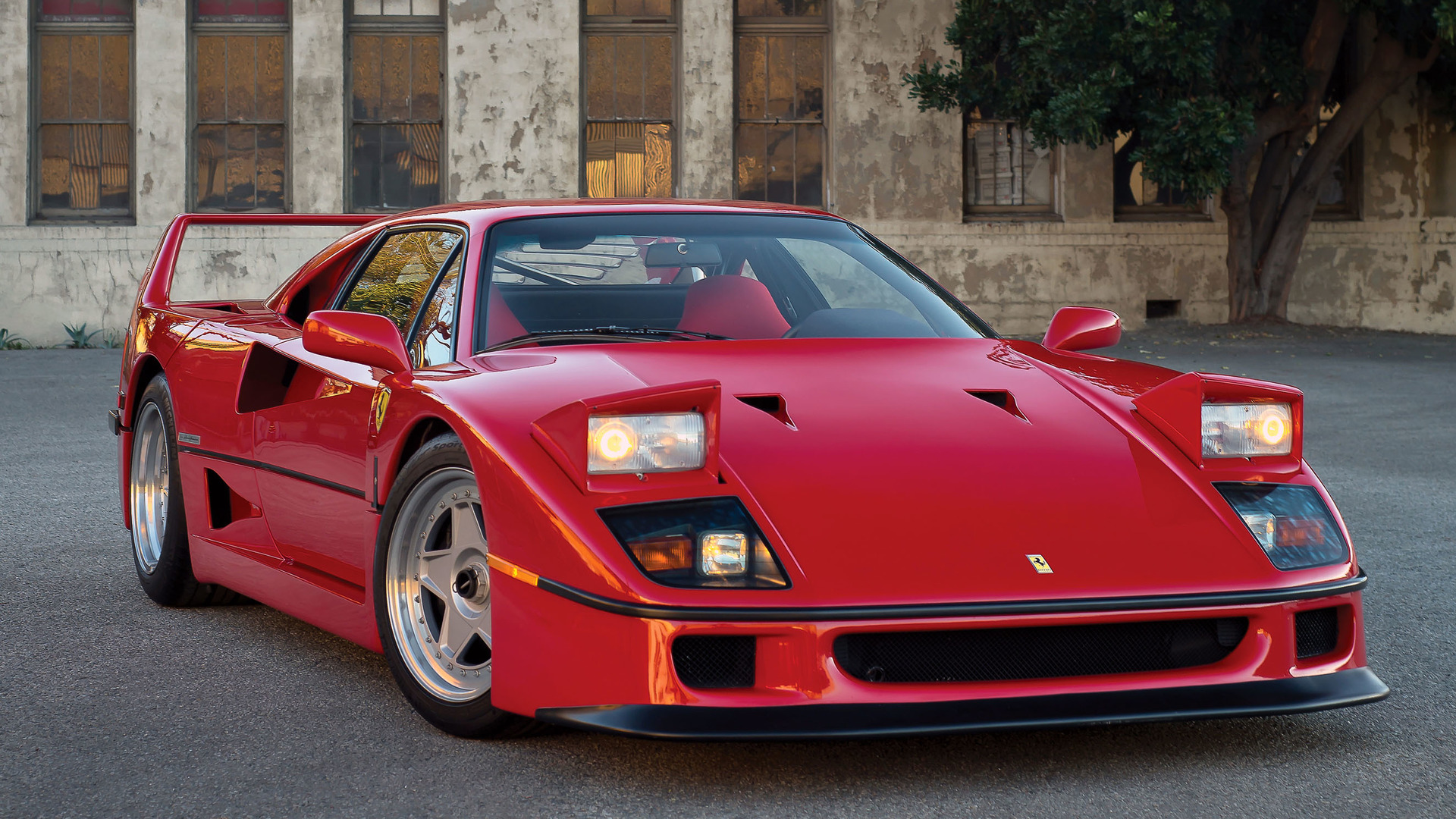
1987 – Ferrari F40
Whether you are looking to join the very exclusive club of supercar owners or simply want to experience the adrenaline that the F40 offers, prepare for an unforgettable adventure behind its wheel.