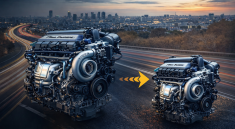
Downsized engines, known for their small displacement and turbocharging, have gained traction in the automotive industry for their fuel efficiency and performance. However, this engine type comes with its own set of challenges. As automakers explore this technology, recurring issues arise, leaving vehicle owners concerned about their engines’ reliability.
In this article, we’ll delve into the common causes of problems with downsized engines and how you can anticipate and address these issues. By understanding these challenges, you’ll be better equipped to maintain your vehicle and optimize its performance.
What is Downsizing?
Downsizing is a trend that involves reducing engine size while maintaining or even increasing performance. This is typically achieved through the use of turbochargers, which boost power without increasing displacement. This approach helps reduce fuel consumption and CO2 emissions, meeting increasingly stringent environmental standards.
Boosting Problems
Downsized engines rely on turbochargers to generate power. However, poor boost management can lead to various issues. Some of the most common include:
- Clogged Turbo: Soot and carbon deposits can accumulate on the turbocharger, reducing its efficiency.
- Oil Leaks: Inadequate lubrication can lead to leaks, affecting turbo operation.
- Overboost: Excessive boosting can cause internal engine damage.
Excessive Oil Consumption
Downsized engines can suffer from excessive oil consumption, often attributed to engine design. Several factors can contribute to this issue:
- Worn Piston Rings: Worn rings can lead to oil leaks into the combustion chamber.
- Faulty Head Gasket: A damaged gasket can allow oil to seep into the engine.
- Turbocharger Issues: A faulty turbo can also cause oil leaks, worsening the situation.
Cooling Problems
Cooling is crucial for engine durability. Downsized engines, due to their compactness, may struggle to dissipate heat, leading to:
- Engine Overheating: Prolonged overheating can damage internal components.
- Coolant Leaks: Worn gaskets and hoses can lead to leaks, compromising the cooling system.
- Thermostat Issues: A faulty thermostat can prevent the engine from reaching its optimal operating temperature.
Fuel Injection Problems
Downsized engines utilize direct injection systems that, while efficient, have drawbacks:
- Injector Clogging: Deposits can build up on injectors, compromising fuel spray.
- Fuel Pump Failures: Pressure issues can affect fuel delivery, leading to power loss.
- Sensor Problems: Faulty sensors can skew the amount of fuel injected, impacting engine performance.
Preventive Maintenance for Downsized Engines
To minimize the risk of problems, regular maintenance is essential. Here are some tips:
- Regularly Check Oil Levels: Ensure the engine is properly lubricated.
- Replace the Air Filter: A clean filter ensures better airflow.
- Follow the Maintenance Schedule: Adhere to the manufacturer’s recommended service intervals.
- Use Quality Fuels: High-quality fuels reduce deposits.
Key Takeaways
- Downsized engines offer performance and fuel savings.
- Common issues include boosting, oil consumption, cooling, and injection problems.
- Regular maintenance is crucial to prevent issues.
- Use quality replacement parts to keep your engine in good shape.
Mini-FAQ
Q1: What are the signs of a failing downsized engine?Signs include power loss, unusual noises, and oil or coolant leaks.
Q2: How often should I service my downsized engine?It’s recommended to follow the manufacturer’s maintenance schedule, typically every 15,000 to 30,000 miles.
Q3: Can I use different engine oils for my downsized engine?It’s best to use the oil recommended by the manufacturer to avoid operational issues.