


As the 2026 Formula 1 season kicks off, Aston Martin finds itself in turmoil, grappling with vibration issues on its AMR26 that could jeopardize its performance ambitions. Drivers Lance Stroll and Fernando Alonso must now navigate the adrenaline of racing while considering the risks to their health. This dilemma raises crucial questions about the team’s strategy and its partnership with Honda.
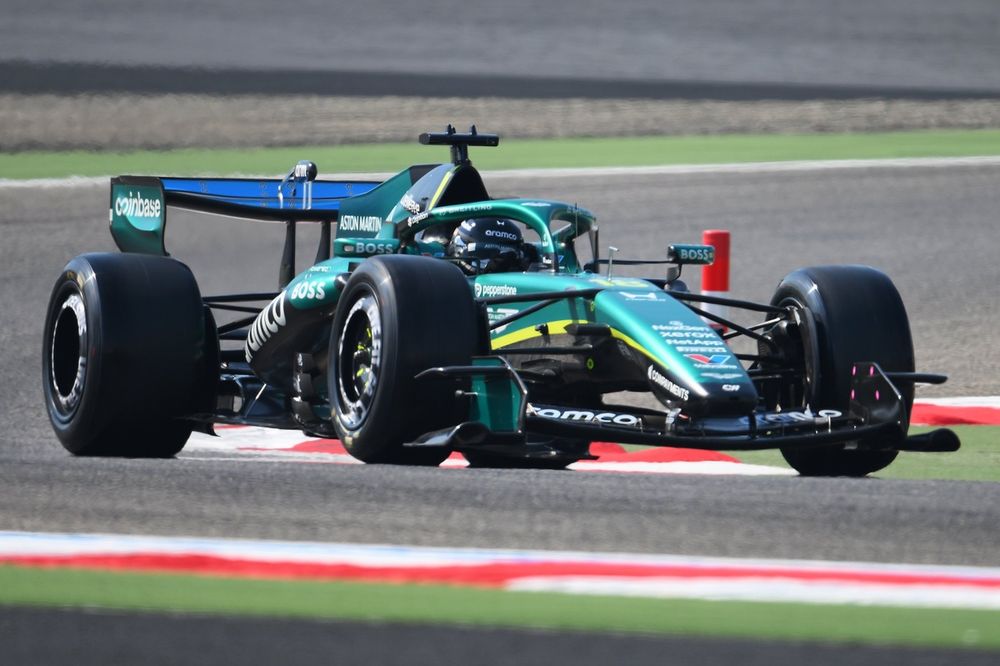
A Rough Start for Aston Martin
The Australian Grand Prix should have been a celebration for Aston Martin, but the reality is starkly different. Due to issues related to the Honda engine, the British team announced it could not complete the race. This difficult decision was driven by the urgent need to protect its drivers. Team principal Adrian Newey made it clear that excessive engine vibrations pose a risk not only to the car’s performance but also to the drivers’ health.

Concerning Driving Sensations
Lance Stroll did not mince words when describing the experience of vibrations aboard the AMR26. Comparing the sensation to being electrocuted while sitting, he highlighted the uncomfortable and potentially dangerous nature of these vibrations. This testimony sheds light on an often-overlooked aspect in Formula 1: driver well-being. While adrenaline allows racers to push through certain pains, the long-term health consequences of these vibrations remain to be seen.
Is the Honda Engine a Weak Link?
The vibrations stem directly from the power unit, a complex assembly where the internal combustion engine and MGU-K interact. Newey specified that the carbon chassis, while rigid, does not dampen these vibrations, resulting in a direct transfer of impacts to the driver. This issue raises a crucial question: will Honda, Aston Martin’s strategic partner, be able to resolve these problems quickly? The pressure is on, and expectations from fans and sponsors are high.
Aston Martin’s Response: Innovation and Adaptation
In light of this delicate situation, Aston Martin must not only find technical solutions to mitigate these vibrations but also manage expectations around its performance. Fernando Alonso expressed confidence in Honda’s ability to address these issues, but time is of the essence. Tests conducted at the Sakura R&D center must quickly yield concrete solutions if the team hopes to remain competitive in a season already fraught with challenges.
Long-Term Strategy Impact
Aston Martin’s current situation could have significant repercussions on its long-term strategy. With a 2026 season marred by mechanical issues, the team must double down on efforts to prove its viability against competitors like Ferrari and Mercedes, who will not hesitate to capitalize on its weaknesses. The question remains: can Aston Martin leverage this crisis to innovate and strengthen its brand image?
A Challenge for Drivers: Balancing Passion and Pain
The drivers find themselves in a delicate position. Alonso acknowledged that, despite the discomfort, adrenaline can help them forget the pain during the race. However, this dynamic poses a moral dilemma: how far is a driver willing to go for their passion? The implications for their physical health cannot be underestimated. Teams must find a balance between performance and safety.
In Summary
- Aston Martin struggles with problematic vibrations on the AMR26.
- Drivers express concerns about their health and comfort.
- The partnership with Honda is under pressure due to technical challenges.
- Aston Martin’s long-term strategy may need reevaluation based on this season’s results.
- Drivers must navigate between passion and health risks.
In conclusion, Aston Martin stands at a critical crossroads. The current technical challenges could redefine not only its on-track performance but also its brand image in the world of Formula 1. For fans and observers, the 2026 season promises to be captivating yet fraught with uncertainties. One question remains: will Aston Martin rise from this crisis and turn adversity into opportunity? Only time will tell.


