


The electronic braking system, known as “brake-by-wire,” is a true technological marvel at the heart of modern Formula 1 cars. Behind this name lies a complex mechanism that transforms our perception of braking, thus elevating on-track performance to an unprecedented level. Let’s dive into this fascinating world where every millisecond counts.
A phenomenal braking power
Before delving into how brake-by-wire works, it is essential to understand the braking power of a Formula 1 car. These racing machines can withstand up to 5 g during braking, which represents about five times the force experienced by an average driver in a standard car. Imagine for a moment: you are braking as hard as if you were pressed against your seat by a raging kangaroo.
In the F1 environment, intense braking can dissipate more than 2000 kW of power for at least one and a half seconds. In comparison, the combined maximum power of an engine and its hybrid system reaches about 680 kW. This striking contrast illustrates how crucial the braking system is for the performance of single-seaters.
Hybridization and energy recovery
Another fascinating aspect of brake-by-wire is its interaction with the hybrid system. The latter plays a key role in recovering energy during braking, transforming what would otherwise be lost as heat into a precious resource. By 2025, this system will be able to recover up to 120 kW, and this capacity will increase to 350 kW in 2026, representing 17.5% of the total braking power.
However, it is important not to confuse power and energy. The power absorbed over a given duration allows us to evaluate the recovered energy. For example, a braking event lasting one and a half seconds with a 350 kW system would recover just over half a megajoule of energy, stored in the battery to help propel the car during accelerations. A bit like a hamster tirelessly running in its wheel, but with far more impressive efficiency.
The challenges of the electronic braking system
But what happens when the battery is full and unable to absorb more energy? At this point, the control system interrupts the charging to prevent a dangerous overload. Since energy recovery only occurs on the rear axle, this complicates matters. A loss of efficiency at the rear could imbalance braking between the front and rear, with potentially catastrophic consequences on a track where every fraction of a second counts.
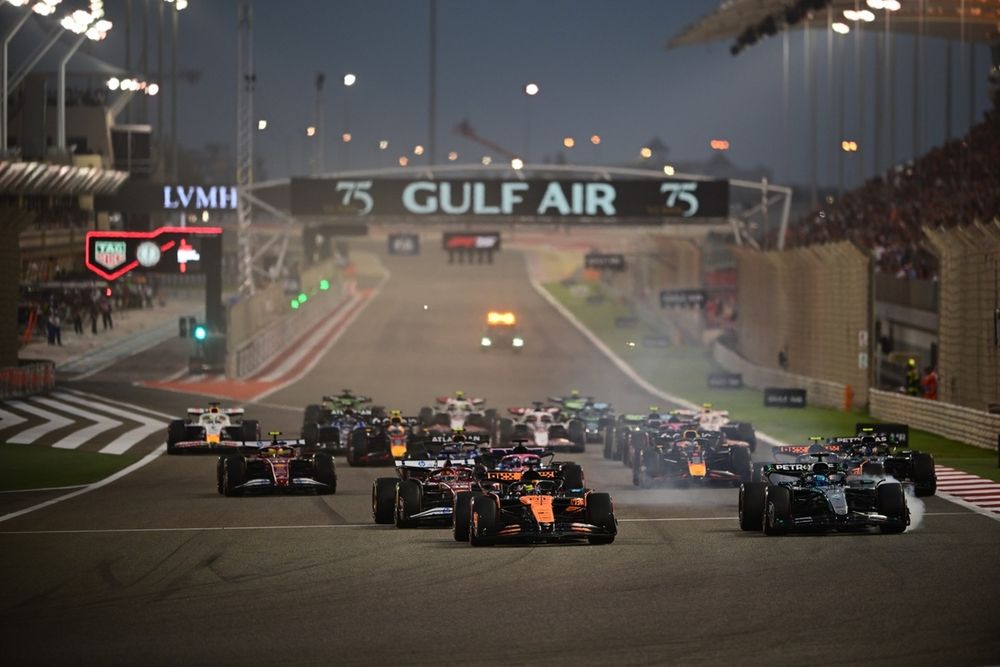
Indeed, a heavy braking in an F1 can dissipate more than 2000 kW of power for at least one and a half seconds, an impressive technical feat.
How brake-by-wire works
The electronic braking system then plays a determining role. While the hydraulic system continues to actuate the front and rear calipers, the rear calipers operate through a network of hydraulic valves that control pressure independently of the rear master cylinder. This innovation allows for unparalleled precision in braking management.
The pressure in the rear brake line is modulated in real-time, based on the battery’s state of charge. The system continuously evaluates the driver’s demand and adjusts the necessary pressure on the rear calipers. If the battery can handle the power, the system allows a certain level of electric braking before complementing it with hydraulic pressure. A bit like a conductor adjusting the musicians to create perfect harmony.
Safety and adaptability
Safety being paramount, the system must be “fail-safe.” In the event of a hydraulic failure, a direct connection between the master cylinder and the rear brakes ensures that pressure is always applied. Admittedly, braking may not be optimal, but at least the car can slow down in a controlled manner.
Moreover, the electronic braking system allows for incredible flexibility in managing the distribution of pressure between the front and rear brakes, adapting this distribution according to track conditions or even corners. This optimizes braking performance while contributing to the overall balance of the car.
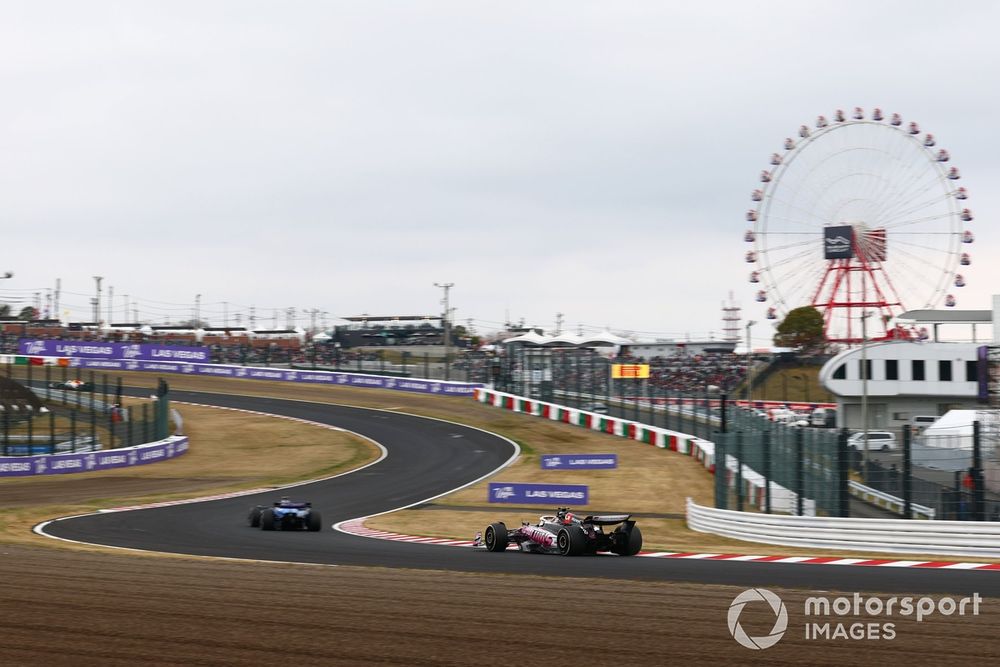
Drivers can thus modulate this distribution during braking, offering unprecedented flexibility in their approach to tight corners.
Conclusion: the future of braking in Formula 1
In summary, although the electronic braking system may seem complex, it is essential for ensuring the safety and performance of modern hybrid cars. Thanks to its adaptability and its key role in energy management, brake-by-wire stands out as a central element of on-track strategies. It is clear that without it, Formula 1 could not reach the heights it achieves today.
To learn more about technological advancements in Formula 1, feel free to check out our dedicated Formula 1 section.


