The 2026 Formula 1, with its share of technical and sporting changes, is generating a lot of ink. While enthusiasm may be lacking, curiosity is palpable. But as the first collective running took place behind closed doors, one wonders if F1 has truly missed an opportunity to attract crowds.
A First Run Without the Public
It is true that the “Shakedown,” as F1 calls it, took place without the sounds of the crowd. No spectators in the stands, no journalists loitering in the paddock, and even fewer photographers to capture these crucial moments. The official communication played the card of discretion, and the summaries turned into a kind of well-oiled propaganda. This situation raises a question: has F1 missed a golden opportunity to capitalize on public anticipation? In reality, the answer is more nuanced. The teams, facing concerns related to the new regulations, pushed for an additional testing session. The compromise was therefore inevitable.
A Refreshing Secrecy
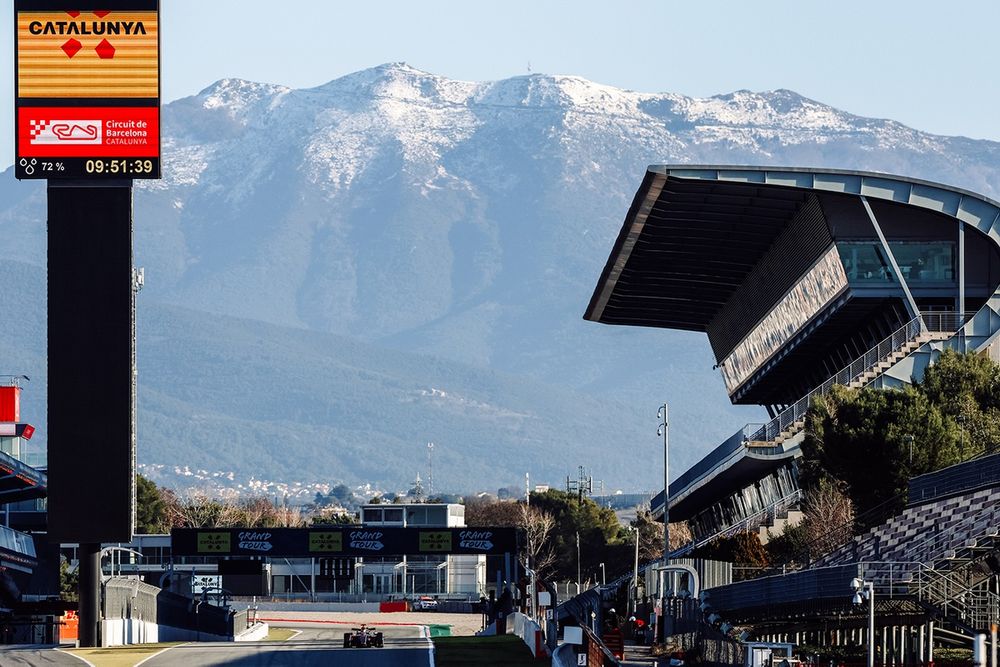
It is not necessary to know everything about pre-season testing. In a world where F1 has become a hypermediated spectacle, there was something refreshing about this format. At a time when every move is scrutinized, where every interview is analyzed, finding a bit of mystery around pre-season testing recalls a bygone era. Indeed, fifteen years ago, these sessions were little followed, and only a few filtered pieces of information reached enthusiasts. The mix of rediscovery and nostalgia was palpable for those who experienced both eras.
Free practice raises another question: do we film all the training sessions before a Champions League match? No, because public interest remains limited. Information, even if not broadcast continuously, eventually emerges. It is therefore legitimate to wonder if this opacity around pre-season testing is really necessary.
Acceptable… Up to a Point
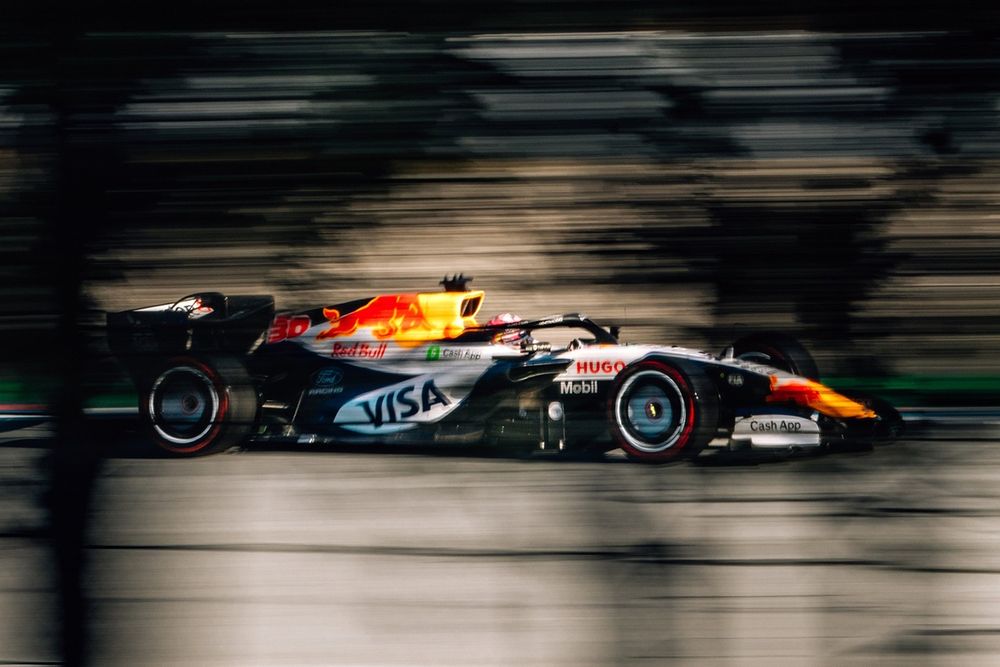
The security surrounding these tests has sometimes been excessive. In retrospect, this caution even seems unjustified. The teams’ fears regarding the many technical innovations can be understood, but ultimately, the tests went well. New brands like Audi and Aston Martin likely appreciated this relative calm, even if it did not prevent some apprehensions.
However, the closed-door situation left a bitter taste. Certainly, the preparatory work for a season does not need to be exposed to the public eye, but why establish such a barrier around events that would not have required so much secrecy? The idea of a closed-door event without media may be acceptable, but when it comes to preventing any form of information, it becomes problematic.
Limiting access to live timing or restricting viewing angles from the outside is not an issue, but deploying a security apparatus to track curious onlookers and media around the circuit goes too far. Patrols, identity checks, helicopters monitoring the surrounding hills… One could almost laugh if it weren’t so serious. All this for what result?
In the end, this desire to maintain secrecy has only reinforced the unsympathetic image of the discipline. Attempts to control information leaks have failed, and the work of some Spanish journalists, like those from SoyMotor, deserves to be praised for shedding light on these tests. This closed-door situation certainly gave these tests an air of mystery, but at what cost?