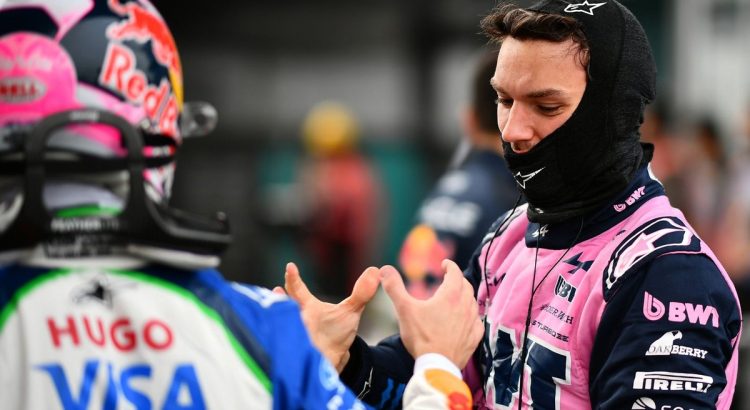
In the 2026 season, Formula 1 drivers face an unprecedented challenge: the mental intensity of the new cars. With power distribution nearly balanced between thermal and electric, the required concentration is pushed to its limits. After several races, the impact on drivers is already palpable, as Liam Lawson noted after the Japanese Grand Prix.
A Grueling Reality
Ninth in the recent Japanese Grand Prix, Liam Lawson highlighted a troubling truth: “I’m a bit mentally drained. It’s very intense this year. There’s a lot more to think about when driving.” The young Racing Bulls driver isn’t alone in feeling this pressure. The first three races of the season revealed unusual fatigue among his peers, all facing heightened demands for concentration and strategy.
The Complexity of New Rules
The changes brought by the 2026 regulations are significant. By introducing a power split close to 50/50 between the thermal and electric engines, along with innovations like active aerodynamics and a boost button, engineers have created an environment where every detail matters. Lawson explains: “We learn a lot during the race. At the start, Gabi [Bortoleto] passed me, and I didn’t even see it coming…” This new dynamic makes competition even more demanding.
Crucial Energy Management
Energy management is now at the core of race strategies. Lawson shares: “We’re all realizing that if we use our deployment in one spot, we won’t have it for the next straight.” This observation underscores the importance of meticulous planning and precise execution, as every decision can have immediate consequences on race performance. The ability to anticipate becomes a decisive factor in remaining competitive.
A Mental Battle
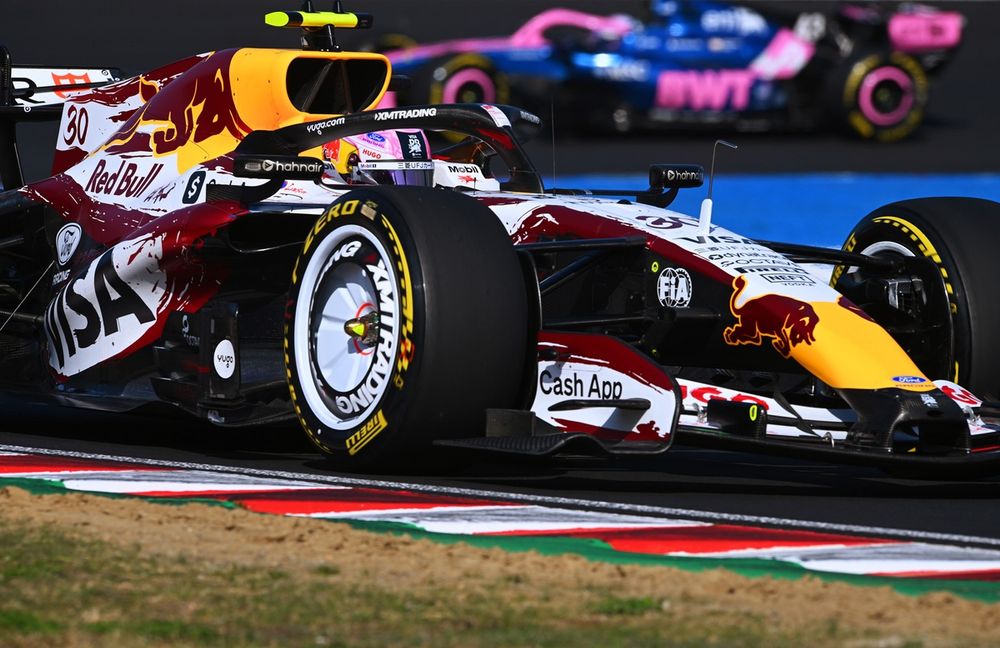
Liam Lawson (Racing Bulls)
This realization extends beyond Lawson. Other prominent F1 figures, like Alex Brundle, analyst for F1 TV, confirm this trend: “I don’t know if it shows on TV, but every driver who comes to us is drained.” The testimonies are piling up, painting a concerning picture of drivers’ mental health.
Different Fatigue According to Villeneuve
Jacques Villeneuve agrees, specifying that this fatigue isn’t physical: “It’s mental. It’s the wear and tear from all the energy and concentration required.” Indeed, the cars aren’t faster than before; it’s the cognitive load that has skyrocketed. The experience faced by drivers in 2026 could redefine the skills needed to excel in F1.
Humor Amid Complexity
Former champion Damon Hill adds a touch of irony to the situation: “It’s literally like patting your head and rubbing your belly at the same time, while juggling and trying to solve a complex equation.” An image that perfectly summarizes the daily life of drivers in an environment where every second counts and the slightest mistake can be costly.
In Summary
- The new 2026 rules impose a thermal and electric balance.
- Drivers feel increased mental fatigue after several races.
- Energy management becomes crucial for success in racing.
- Experts confirm this challenge is primarily psychological.
- The humor of former drivers highlights the complexity of modern driving.