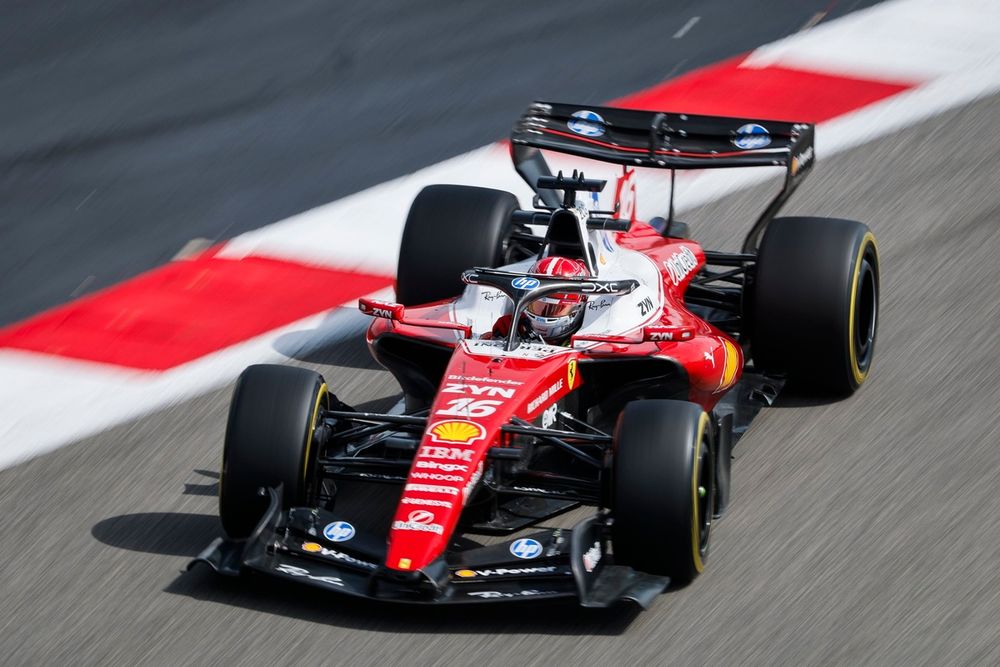
In a bustling Formula 1 paddock, the new 2026 regulations are stirring both excitement and concern. With energy management, reduced chassis, and new tires, drivers are navigating a sea of uncertainties. Far from a simple adjustment, these changes represent a significant turning point that could redefine driving in F1.
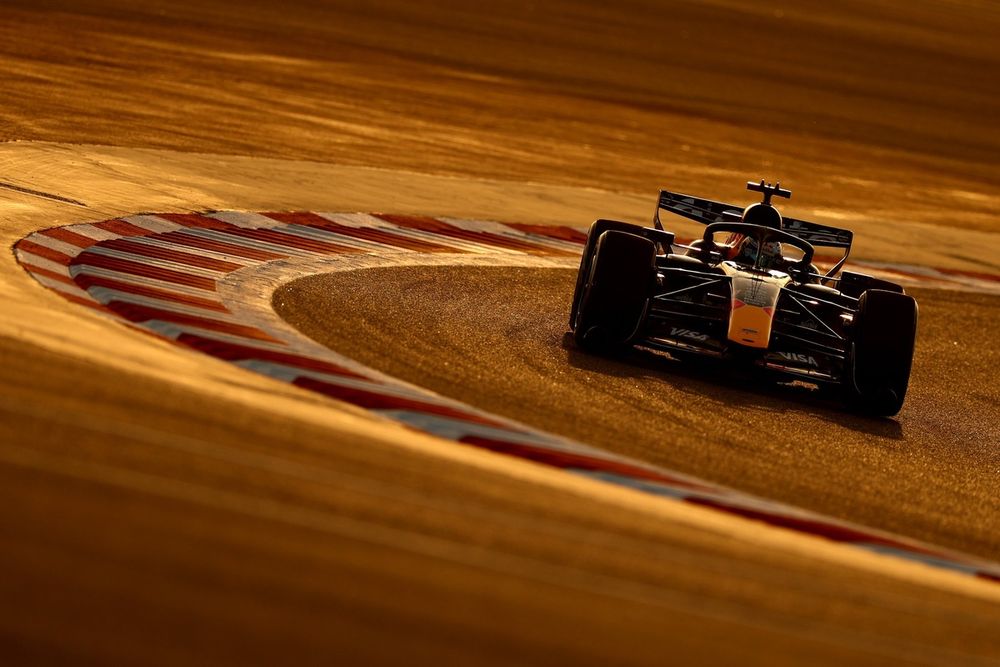

Increased Complexity for Drivers
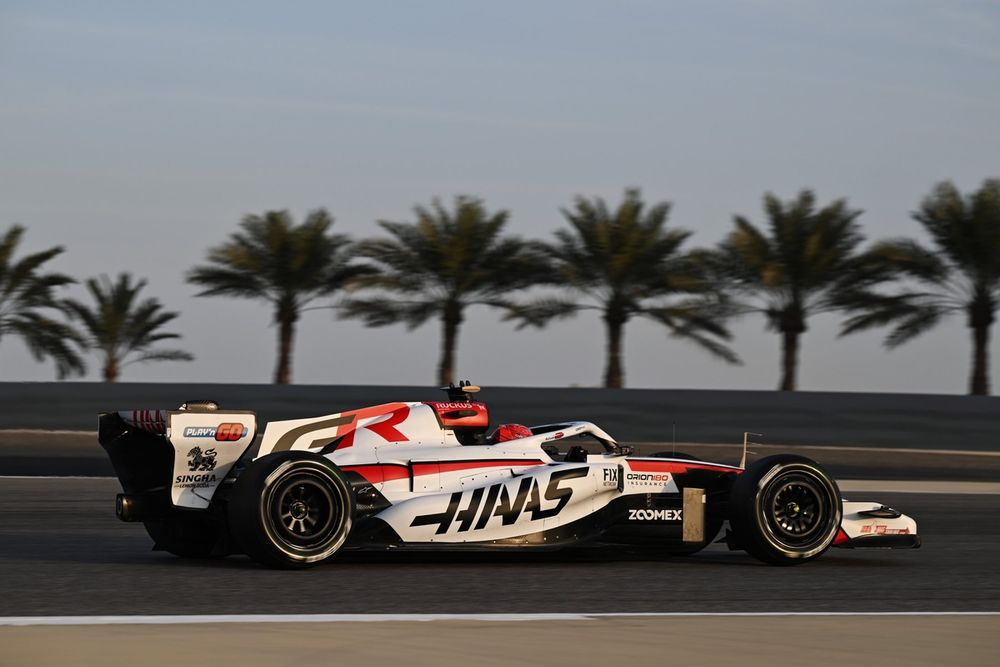
The new rules demand stricter energy management, forcing drivers to juggle multiple parameters during the race. Oliver Bearman, a driver for Haas, highlights this challenge: “There are a few more things to think about, and it takes a bit of focus away from driving.” This complexity could transform the driving experience in F1, where every second counts. Drivers must now adapt to a less instinctive driving style, which could impact their long-term performance.
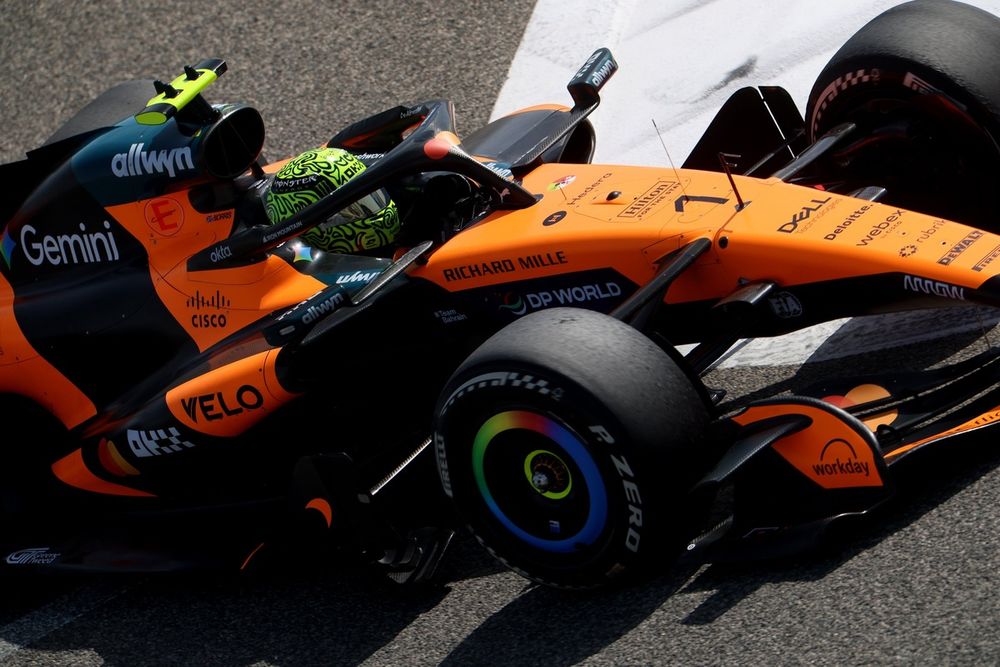

Mixed Reactions to the New Regulations
Drivers’ opinions on these changes are divided. While some, like Gabriel Bortoleto from Audi, find enjoyment in this new approach, others express concerns. Bortoleto states, “It’s just different… It’s clearly slower than last year.” This return to less grounded cars could revive forgotten sensations but also raises questions about race competitiveness. The new regulations seem to create a gap between drivers who adapt quickly and those who struggle to find their rhythm.
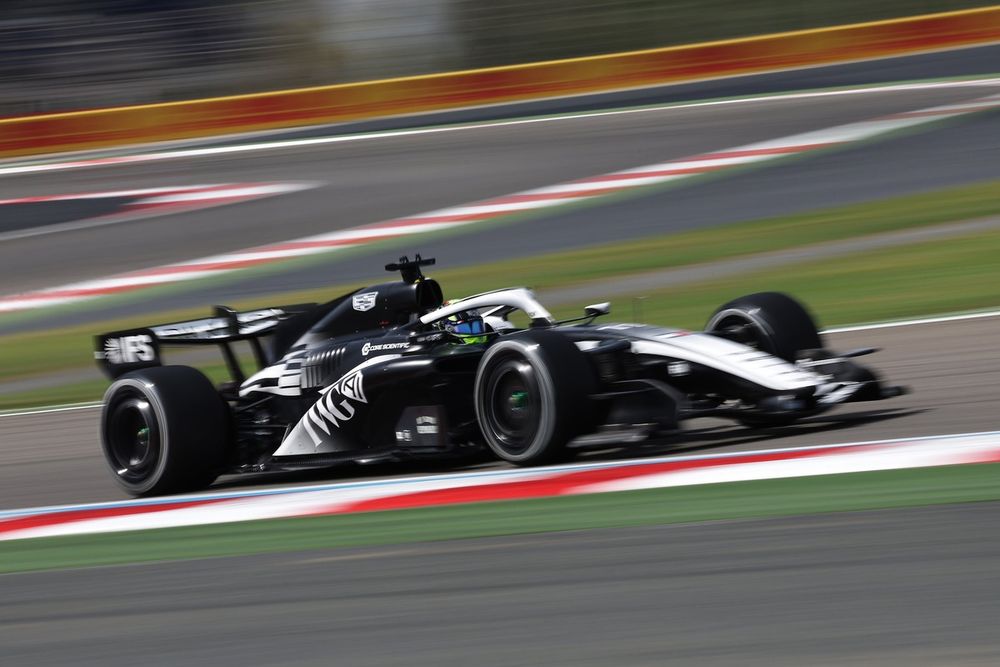

Technical and Strategic Evolution
These changes affect not only driving but also team strategy. Kimi Antonelli, a driver for Mercedes, discusses the importance of a more agile approach: “We no longer have porpoising, which is a great thing.” This technical evolution allows teams to better play with the car’s balance, providing greater freedom in settings. However, this flexibility could also lead to notable disparities between teams, depending on their adaptability.


A Learning Challenge for All
The complexity of the new cars imposes a real learning curve. Liam Lawson, a driver for AlphaTauri, shares: “It’s quite difficult to drive… there’s still a lot to learn.” Drivers must integrate these new demands into their daily routines, which could affect their performance at the start of the season. The shift to more precise resource management could also impact team budgets, particularly regarding car development and maintenance.
A Matter of Perception
Drivers’ perceptions vary significantly. Max Verstappen, the reigning world champion, openly criticizes the new rules: “Driving isn’t very fun… It feels more like Formula E on steroids.” This sense of frustration could influence F1’s image among fans and media. If drivers don’t find joy in driving, it could also impact the commercial appeal of the sport’s premier category.


Towards a More Strategic F1?
Despite the criticisms, some drivers like George Russell remain optimistic about the future. He points out that these changes could lead to closer races: “It’s really nice to be able to follow cars much more easily than before.” If these new regulations indeed improve overtaking and on-track spectacle, it could enhance F1’s reputation among fans. However, it’s still too early to draw definitive conclusions about the real impact of these changes.
In Summary
- The new regulations introduce increased complexity for drivers.
- Opinions are mixed: some appreciate the novelty, while others lament the loss of speed.
- Team strategy evolves with more freedom in settings.
- A challenging learning curve for drivers could impact their initial performances.
- Negative perceptions from drivers could influence F1’s image.
- The changes could potentially enhance on-track spectacle.
In conclusion, these new regulations could mark a turning point in the history of Formula 1. While they offer opportunities to improve spectacle and competitiveness, they also pose significant challenges for drivers and teams. In the medium term, the impact on the market, competition, and F1’s brand image will be closely monitored.