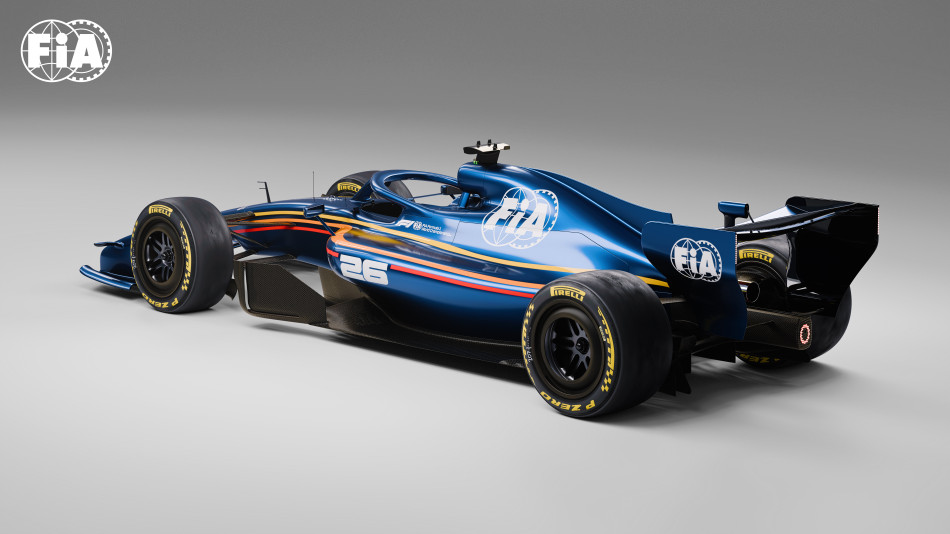
By 2026, Formula 1 is set to enter a new era, with changes that could well shake the very foundations of the competition. Far from being a simple update, these new regulations aim to make races more exciting, more eco-friendly, and above all, safer.
A bold vision: the agile car concept
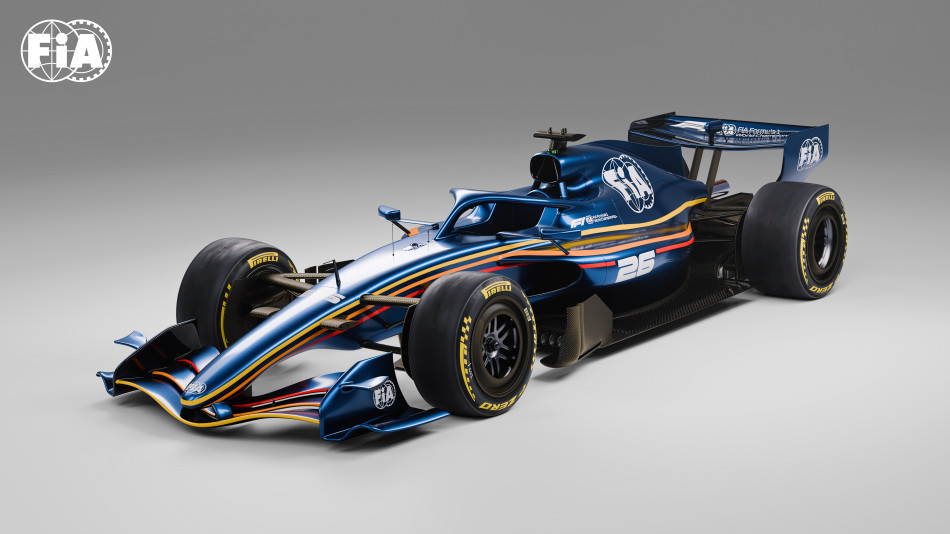
The first cornerstone of this transformation is the Nimble Car Concept, which aims to reverse the current trend towards ever larger and heavier cars. Starting in 2026, expect smaller and lighter machines, with a target weight of 724 kg, including tires. To put this in perspective, imagine a ballet dancer moving gracefully on stage rather than an elephant trying to navigate a narrow hallway. Indeed, the new regulation reduces the wheelbase by 200 mm to reach 3400 mm and decreases the width of the car as well as that of the floor.
The front and rear wings also undergo a slimming treatment: the front wing narrows by 100 mm and incorporates a double active flap, while the rear wing evolves into a design with three active elements. Gone are the “mustaches” of the 2022-2025 era cars; the simplification of the rear wing elements is another measure aimed at improving aerodynamics.
To promote overtaking, wheel fairings will be banned, and wake control boards will be installed at the front of the side pods to better manage airflow around the wheels. Of course, this reduction in bulk means that downforce will be decreased by 30% and drag by 55%, making the cars faster out of corners despite initially slightly slower lap times.

Wake management: a constant challenge
The fact that cars struggle to follow closely is not new in F1. The 2022 regulations introduced raised diffusers to channel disruptive wake, but as Nikolas Tombazis, director of single-seaters at the FIA, points out, even these innovations have encountered their limits. “At first, the 2022 cars showed significant improvement, but that gain faded over the races,” he explains. With the new standards for 2026, we hope to achieve a ratio of about 90% downforce at a distance of 20 meters behind a car.
This resembles a tennis match where the serving player faces constant pressure to make their shot. If the serve is too weak, they will quickly lose their advantage. The new regulations aim to maintain this advantage for much longer.

Active aerodynamics: the era of movement
One of the most striking changes for 2026 is the introduction of active aerodynamics. Goodbye Drag Reduction System (DRS)! Drivers will now be able to activate movable front and rear wings in two distinct modes: Straight Line Mode to reduce drag and Cornering Mode to maximize downforce. Unlike the DRS, which was subject to specific conditions, this new setup offers drivers more freedom to manage their energy on the track.
In other words, imagine a superhero who can choose between maximum speed to escape or agility to dodge obstacles. With this increased flexibility, drivers will be able to better manage their energy while seeking to overtake their opponents.

Overtaking Mode: a new strategic dimension
With Overtaking Mode, when drivers are close to another car at predefined activation points, they will be able to benefit from an extra boost of electric energy. By using +0.5 MJ of additional power, this mechanism aims to facilitate overtaking. This system is expected to completely transform the way races unfold. “It’s like playing chess but at real speed,” explains Simone Resta, deputy technical director at Mercedes.
This is expected to make races much more unpredictable and thrilling. Drivers will need to skillfully navigate between using their energy and their maneuvers on track. This will surely send shivers down the spines of fans!

New engines: towards increased hybridization
But don’t be fooled, it’s not just the bodywork that is changing. The power units are also undergoing a major transformation. Based on a 1.6-liter hybrid engine, these new powertrains will see their battery power tripled, with a balanced distribution between the internal combustion engine and electric energy. The power derived from the internal combustion engine will be reduced to about 400 kW while that of the electric motor will reach 350 kW.

New players on the grid
These rules have opened the door to new manufacturers in the championship. While Mercedes and Ferrari remain present, Audi is entering the fray, accompanied by a triumphant return of Honda with Aston Martin. Ford will not be left out either with its partnership with Red Bull Powertrains.
It’s a bit like attending a grand music festival where several legendary bands share the stage with emerging artists. Fans can expect to see exciting rivalries on the grid.
Cadillac will also make its Formula 1 debut in 2026, initially using Ferrari engines before developing its own power units by 2029.
Towards a more sustainable and safer F1
The shift towards sustainability is crucial in this new era. Starting in 2026, all F1 cars will use sustainable fuels derived from advanced components, thus helping to reduce the sport’s carbon footprint. To ensure compliance, the FIA has established the Sustainable Racing Fuel Assurance Scheme (SRFAS), which ensures strict adherence to environmental standards.
On the other hand, safety continues to be an absolute priority for the FIA. Cars will benefit from a revised frontal structure and enhanced side protection. It’s as if every driver is wearing a bulletproof vest under their suit – a must in such a demanding sport as F1!

A promising future for Formula 1
The intense work carried out over the past three years is finally bearing fruit with the adoption of the new regulations for 2026. Every detail has been scrutinized to offer a fairer and more exciting competition. The regulatory sections have been crafted with precision to ensure clarity and coherence in the sport.
This is an exciting time for all motorsport enthusiasts. Formula 1 is about to take a significant step that could redefine our experience as spectators.