
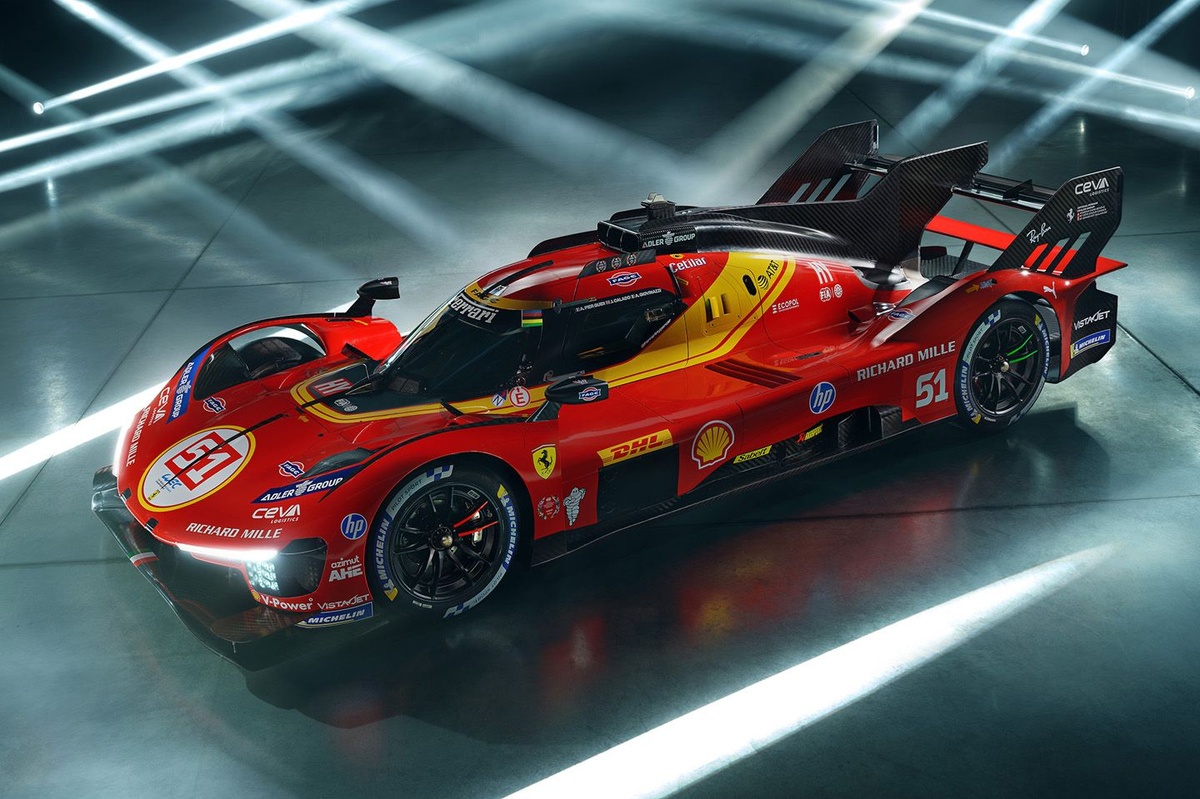
Ferrari takes a bold step by unveiling the livery of its 499P for the WEC 2026, while also committing to a thoughtful continuity. This choice highlights a strategy aimed at defending world titles, but it also raises questions about the evolution of competition and performance management.
Heritage to Defend
At the heart of the Enzo Ferrari Museum in Modena, the reveal of the Ferrari 499P livery for WEC 2026 is more than just an aesthetic update. It symbolizes a commitment to uphold the brand’s legacy while preparing to defend its titles in both driver and constructor categories. The numbers 50 and 51, chosen for the two teams, reflect a strategic continuity. Indeed, Ferrari opted not to use the reserved number 1, a choice that could be seen as a statement of its commitment to build on recent successes rather than rest on its laurels.
A Livery That Speaks
The details of the livery are significant. The Modena yellow and iconic Scuderia red are present, but with shades that indicate an evolution. The return to a glossy Rosso Scuderia, rather than a matte finish, signals a desire to stand out visually while reminding fans of the brand’s roots. The laurel wreaths on the bodywork, symbols of past successes, reinforce the idea that this season will be pivotal for Ferrari. This stylistic choice is not just about aesthetics; it sends a strong message to competitors and fans alike.
Cautious Technical Evolutions
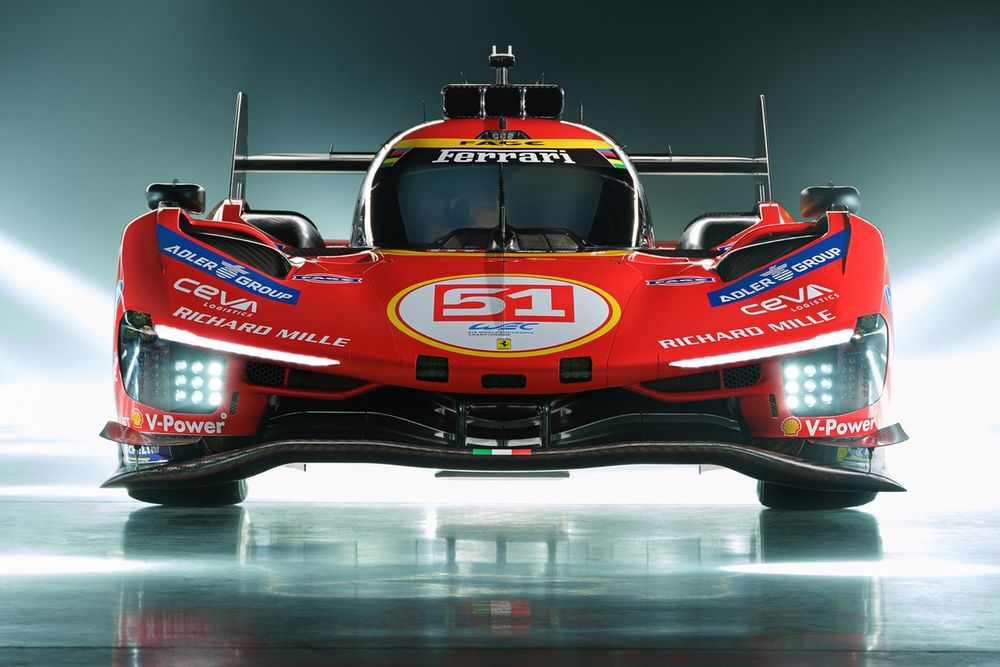
The 499P, while retaining its version from the previous year, is not evolving without changes. Adjustments related to the new LMH homologation, now conducted in the Windshear wind tunnel in the United States, illustrate a strategy of adaptation to a constantly evolving competitive environment. These modifications aim to optimize the Balance of Performance (BoP) and respond to the demands of an increasingly complex regulation.
Ferdinando Cannizzo, head of endurance vehicles at Ferrari, emphasizes the importance of feedback from the previous season. Challenging races have served as a laboratory for the car’s development. The re-homologation required significant aerodynamic adjustments, albeit limited in scope. This raises a crucial question: will these changes be enough to ensure a competitive edge against ever-sharpening rivals?
Tires, a Key Factor
Another crucial element is the introduction of new tires by Michelin. The three different tire compounds planned for prototypes could disrupt team strategies. Tire management is often a decisive factor in endurance racing, and Ferrari will need to navigate this new reality skillfully. Teams must anticipate not only their vehicle’s performance but also that of their competitors, making the game even more complex.
Pressure from Competition
In the current WEC landscape, Ferrari is not alone on the grid. Brands like Toyota and Peugeot continue to push the boundaries of innovation and performance. The 499P must not only improve but also adapt to the strategic evolutions of its rivals. The choices made by Ferrari this season could influence its long-term image and position in the hypercar market.
An Uncertain but Promising Future
In summary, Ferrari approaches the 2026 season with a thoughtful yet cautious strategy. By seeking to capitalize on past successes while adapting to new technical and competitive realities, the Italian brand engages in a delicate dance between tradition and innovation. The future looks exciting, but challenges abound.
In Summary
- Ferrari defends its heritage with the 2026 livery of the 499P.
- Cautious technical modifications in response to a competitive environment.
- New Michelin tires: a key factor for the season.
- Competition is intensifying, particularly with Toyota and Peugeot.
- A strategy focused on continuity while integrating necessary evolutions.
Conclusion: The Ferrari 499P for WEC 2026 embodies a commitment to title defense while navigating a complex competitive landscape. For enthusiasts and observers, this season will be crucial in assessing whether Ferrari can maintain its status as a leader in the hypercar world. Alternatives exist, but few can boast such a legacy. The strengths of this approach lie in continuity and adaptability, while limitations may emerge if technical adjustments fall short against the intensity of competition.


