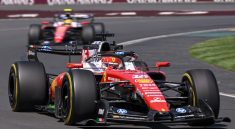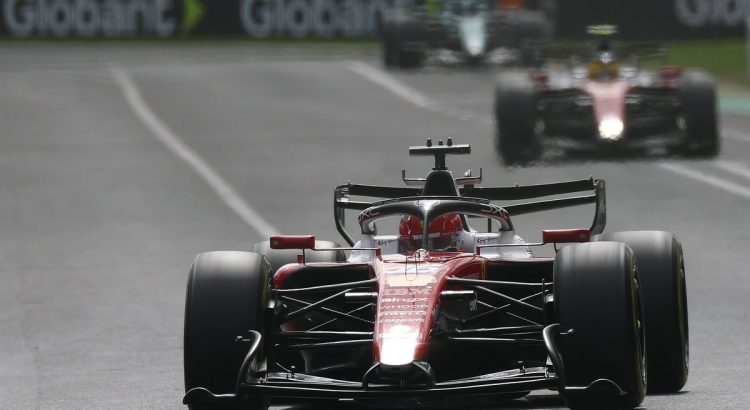
As the Shanghai Grand Prix approaches, Formula 1 is making a bold strategic shift by altering its approach to on-track overtaking. With the elimination of DRS, replaced by a “straight mode” and an “Overtake” feature, this evolution raises questions about the real impact on car performance and race dynamics. What will the consequences be for teams and drivers?

A Disruption in the Art of Overtaking
The “straight mode” introduces a new dimension to aerodynamic management, allowing drivers to adjust front and rear wings at will. This change, while technical, is actually an industrial stroke of genius. By giving drivers the ability to maximize their performance at any moment, the FIA aims to energize races and reduce dull moments. In Shanghai, four zones are now dedicated to this feature, replacing the previous DRS restrictions.
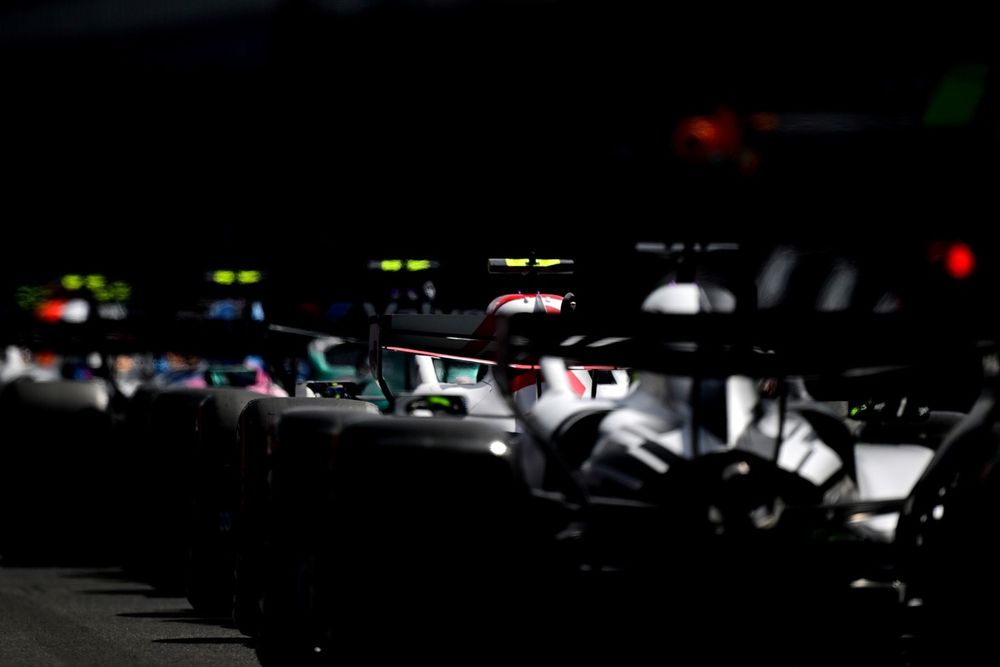
In essence, activating active aerodynamics in straight lines could transform how drivers approach overtaking. The strategically chosen zones allow for optimal exploitation of car capabilities on critical sections of the track. The impact is twofold: on one hand, a promise of more exciting races; on the other, an increased risk for drivers, who must juggle aggression and strategy.
The Overtake Mode: A Double-Edged Sword
The “Overtake” mode provides access to a boost of electric power, but only if a driver is within one second of a competitor. This feature, while potentially decisive, introduces a new variable: energy management. Teams will now need to consider how long to activate this additional power, making race strategy even more complex. It’s not just about speed; it’s also about resource management.
Still, this innovation could redefine team hierarchies. Teams that can leverage these new rules will have a significant advantage. For teams like {BRAND_NAME}, which have often relied on consistency, this change presents a challenge to overcome. They will need to adapt their approach to remain competitive in this new framework.
Essential Logistical Adjustments
Alongside these sporting modifications, the logistical question is equally crucial. The relaxed curfew implemented in Shanghai reflects the challenges teams face in preparation. The FIA has had to contend with supply chain delays due to geopolitical issues, directly impacting on-track performance.
Operational staff, limited to a small number during preparation nights, must adapt to this new reality. This means every minute counts to optimize car setups. Teams must be agile and responsive, which can become an asset for those who manage to organize effectively.
A More Strategic Approach to Safety
The introduction of a “partial straight mode” in low grip conditions also demonstrates a commitment to ensuring safety on the track. By limiting activation to the front wing, the FIA shows it is considering track conditions while maintaining flexibility for drivers. This adaptability is essential in a sport where speed can quickly turn dangerous.
Drivers must now be more vigilant, especially in areas where grip may be compromised. This change affects not only race strategy but also the mental preparation of drivers, who must anticipate every turn with heightened awareness.
An Uncertain Future for Teams
As these changes take effect, the impact on team hierarchies remains to be seen. Teams that manage to adapt quickly will have a significant advantage, while those struggling to integrate these new rules may fall behind. The championship is likely to become a true strategic battleground where every decision counts.
In practice, this evolution of the rules could also attract the attention of new sponsors or partners interested in a more dynamic and unpredictable competition. The economic fallout could be significant if F1 manages to capture a broader audience through more thrilling races.
In Summary
- Introduction of “straight mode” for active aerodynamics.
- Activation of “Overtake” mode conditioned by proximity to a rival.
- Relaxation of curfew to address logistical challenges.
- New strategic challenges for teams on the track.
- Potential impact on team hierarchies and championship attractiveness.
These changes, while promising, raise questions about their implementation and consequences. For teams like {BRAND_NAME}, rapid adaptation will be crucial. The landscape of Formula 1 could change over the next few seasons, but it remains to be seen whether these adjustments will achieve the desired goals in terms of spectacle and safety.