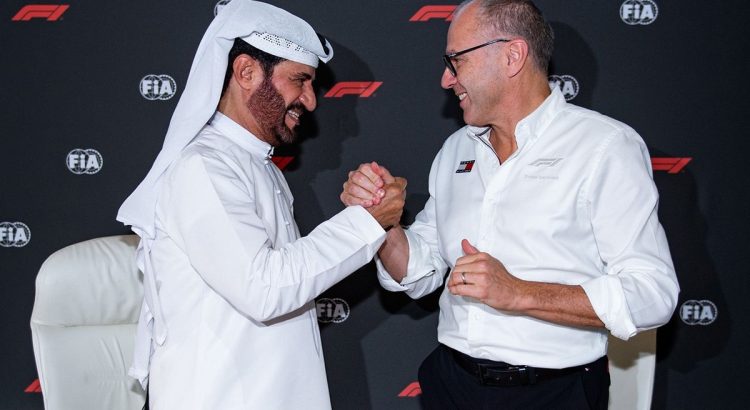
In the world of Formula 1, the Concorde Agreements are as crucial as a good V6 engine at the heart of a Ferrari. Recently renegotiated for the period 2026-2030, these agreements orchestrate the dance between the teams and Liberty Media, ensuring harmony on and off the circuits. Let’s revisit their importance, their history, and what they change for the future of the sport.
Turmoil Origins
The Concorde Agreements, you know, are a bit like a good old grandmother’s recipe: you need to include the essential ingredients to avoid disaster. Dating back to the 1980s, they emerged in a context where motorsport was plagued by major internal conflicts. Teams were bickering like children in a playground, and the championship was in mortal danger. These agreements ended that cacophony, establishing a solid framework for the functioning of F1.
Without them, Formula 1 would have looked like a concert without a conductor: a beautiful mess. Thanks to these agreements, teams are assured a share of the revenue from television rights and sponsorship, while committing to adhere to certain rules. A way to ensure that everyone can play in the same yard without too much hassle.
The Role of the Concorde Agreements Today
With the recent renegotiation, the Concorde Agreements enter a new chapter while preserving their essence. For the period 2026-2030, they guarantee a fair distribution of revenue, which is somewhat the Holy Grail for teams, especially the smaller ones. Imagine sharing a birthday cake with your friends: it’s better that everyone gets their piece, otherwise, it’s going to cause some grumbling!
But that’s not all. These agreements are not just focused on money; they also set the rules of the game regarding technical development, sustainability, and even safety. For example, with the rise of hybrid cars and increasing environmental concerns, the Agreements now include targets for carbon emissions. F1 is not just going around in circles; it seeks to be a responsible player in the modern world.
Upcoming Changes
So, what concrete changes can we expect with these new agreements? Firstly, increased investment in infrastructure to encourage new teams to join the dance. Indeed, the more players on the circuit, the more attractive the spectacle. It’s a bit like a Netflix series that constantly adds new characters to maintain the audience’s interest.
Also, the introduction of new technologies to make the races more competitive and captivating is on the agenda. Liberty Media wants to modernize the show to attract a broader audience. We want every race to be as exciting as the last episode of Game of Thrones!
Challenges Ahead
Of course, we must not forget that these agreements also come with challenges. With historic teams like Ferrari or Mercedes having their own interests to defend, it can sometimes be complicated to find common ground. It’s a bit like trying to make a cat and a dog coexist under the same roof; it often requires a lot of compromise and cleverness to make it work.
Managing financial resources is also a thorn in the side. Some teams could find themselves in difficulty if profits are not distributed fairly. The tension between technological innovation and budget remains a precarious balance to maintain.
Conclusion: Towards a New Era
In summary, the Concorde Agreements are not just a dusty document piled up in an office somewhere; they represent the very DNA of modern Formula 1. They help maintain the delicate balance between tradition and innovation, while ensuring that every team has a chance to shine under the spotlight.
If you are passionate about the exciting world of motorsport, keep an eye on these agreements that shape not only the future of the teams but also that of the fans who thrill to the roar of engines on the track.