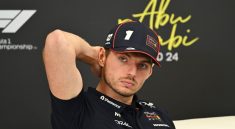
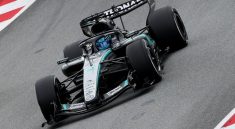
McLaren’s team principal, Andrea Stella, recently raised alarms about the performance gap between his team and Mercedes, estimated to be between half a second and a full second. This assessment, made after the Australian Grand Prix, raises questions about the strategy and future of the British team, which is struggling to keep pace with the Silver Arrows.
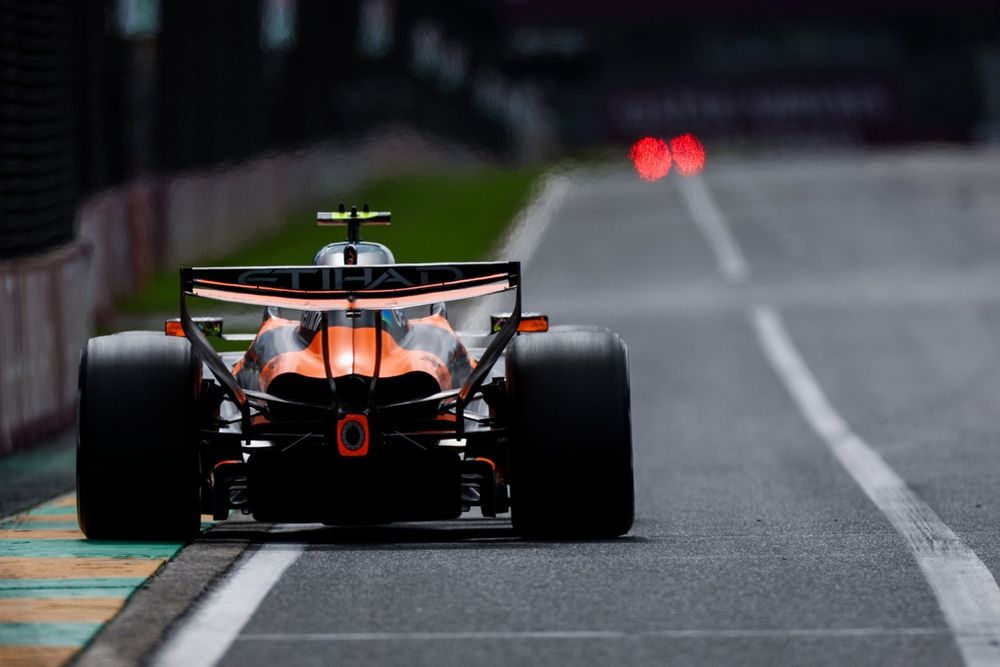
Alarming Findings After Melbourne
The recent Grand Prix in Melbourne was revealing. With George Russell securing a double podium for Mercedes, the team reaffirmed its dominance, while McLaren saw Lando Norris finish a frustrating 35.5 seconds behind the winner. This gap, far from trivial, is a troubling indicator for a team that uses the same engine as its rival. In short, having a good engine isn’t enough to shine in Formula 1.
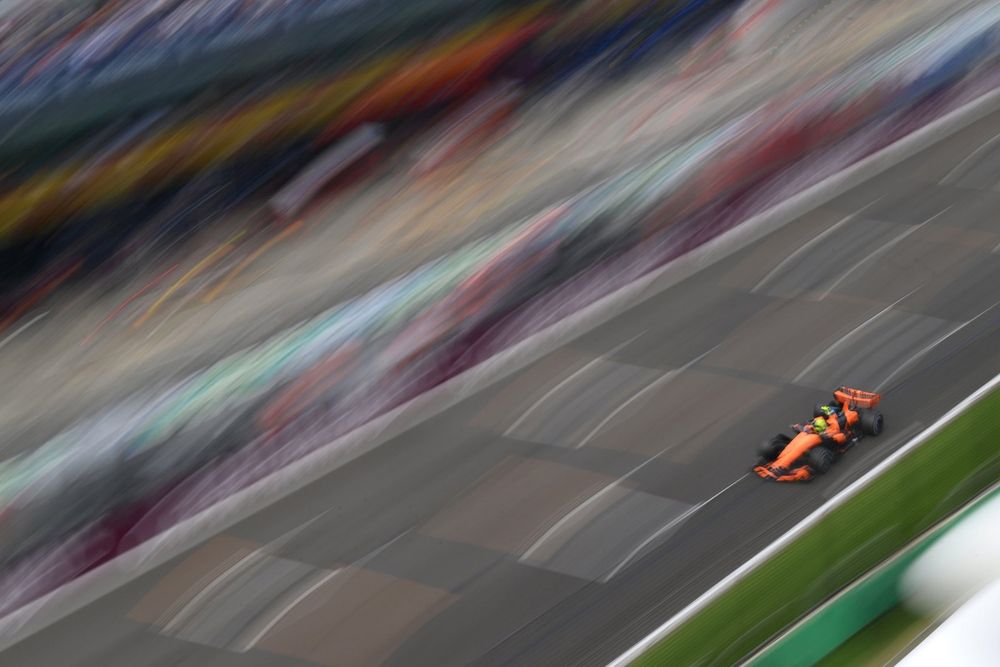
Performance Gaps to Address
Andrea Stella emphasized that the lack of speed in the MCL40, particularly in corners, is a crucial issue to resolve. Data reveals significant room for improvement, both in utilizing the Mercedes engine and in tire grip. However, this situation is not new for McLaren, which must navigate a complex regulatory landscape, especially with changes coming in 2026. The pressure is twofold: perform while adapting to new rules.
A Strategy in Need of Reevaluation
Stella’s comments suggest the team has clear goals but is aware of the road ahead. GPS analysis revealed that Mercedes outpaces McLaren in several corners. This raises questions about the strategic and technical choices made by the team. Practically, this could mean McLaren needs to rethink its design philosophy to maximize the current car’s potential. It’s not just about power; it’s also about optimizing the chassis and race dynamics.
Lando Norris: Balancing Realism and Optimism
For Lando Norris, the situation isn’t catastrophic, but he acknowledges that several aspects need improvement. His pragmatic analysis highlights recurring issues with the chassis that have hindered performance for several seasons. His comments on tire management underscore another weakness of the MCL40: graining, which complicates race strategy. This awareness is crucial for the team, as it must turn these weaknesses into opportunities for evolution.
The Weight of Expectations and the Need to Evolve
With such a gap to Mercedes, McLaren faces high expectations from fans and sponsors. Teams like Red Bull and Ferrari are not far behind and could capitalize on McLaren’s weaknesses. The need to evolve quickly is imperative. The question is whether the team can implement the necessary changes in such a short timeframe. Upcoming races will be critical to validate their strategy.
An Uncertain Yet Challenging Future
As McLaren prepares for the next challenges, the task ahead is daunting. The need to optimize the MCL40 while integrating upcoming developments presents a real puzzle for the technical team. Competition is intensifying, and every second lost can impact championship standings. Ultimately, McLaren must not only close the gap with Mercedes but also anticipate the strategic moves of its rivals.
In Summary
- McLaren is facing a significant performance gap to Mercedes, estimated between half a second and a second.
- Andrea Stella highlights areas for improvement in engine utilization and tire grip.
- Strategic and technical choices will need to be reevaluated to optimize performance.
- Lando Norris points out recurring chassis issues and tire management challenges.
- Upcoming races will be crucial in assessing McLaren’s ability to evolve.
Conclusion: McLaren finds itself at a decisive turning point. If the team wants to reclaim its place among the leaders, it must not only close the gap to Mercedes but also reassess its technical strategy and design choices. The coming months will be critical for the brand’s image and future performance. For enthusiasts and observers, each race is an opportunity to see if McLaren can turn its challenges into success.