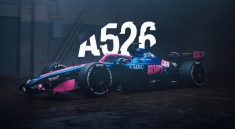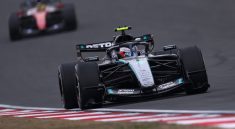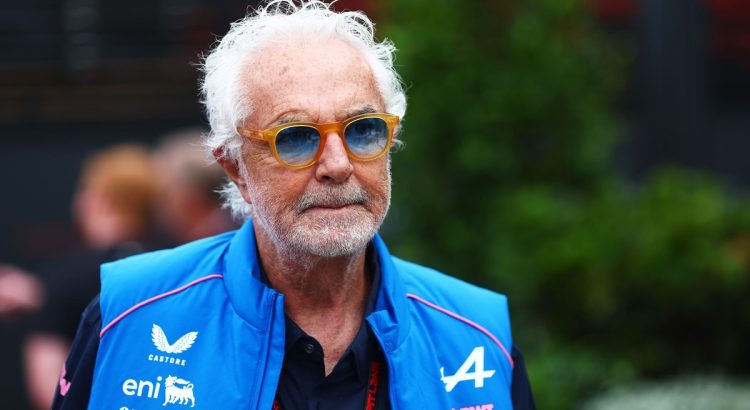
As Formula 1 undergoes significant changes, Mercedes’ potential investment in Alpine F1 raises critical strategic questions. Flavio Briatore, the team’s executive advisor, confirmed this intention at a recent press conference, paving the way for an analysis of the implications of such a move on Alpine’s future and the sport itself.
A Deal That Could Shift the Balance
Mercedes is not one to do things halfway. Considering the purchase of a 24% stake in Alpine F1, currently held by Otro Capital, the German manufacturer is taking a keen interest in the Enstone team. This investment fund, which boasts celebrities like Ryan Reynolds and Rory McIlroy among its backers, injected $233 million into the Alpine project in 2023. Since then, the team’s value has skyrocketed to $3 billion, reflecting the growing interest in F1 while raising questions about the viability of such a maneuver.
Flavio Briatore: A Cautious Conductor
Flavio Briatore’s role in this negotiation is crucial. While he acknowledged Mercedes’ interest, he remains measured about the potential impact of this purchase. “The situation is new every day,” he stated, noting that several potential buyers are in the mix. Briatore seems to play the cautious card, aware that the influence of a minority shareholder could be limited in an environment where 75% of decisions are made by the majority. In short, even if Mercedes sits at the table, it won’t be calling the shots.
An Envious Glance at Alpine’s Ownership
Mercedes’ strategy appears to reveal a broader ambition. With Red Bull already proving that owning two teams in F1 can be profitable, Mercedes is positioning itself in an increasingly competitive market. If the acquisition goes through, the question of influence over Alpine will inevitably arise. In practice, Briatore downplays the risks of conflicts of interest, but it’s hard to ignore that this maneuver could redefine power dynamics within the sport. Ironically, Mercedes could benefit from Alpine’s insights while maintaining limited control.
Governance Implications for F1
The question of governance is at the heart of the concerns raised by this possibility. Jonathan Wheatley, director of Audi F1, stated he sees no conflict of interest in this setup. Yet, the reality is more complex. With players like Mercedes in the game, dynamics within F1 could be upended. The current structure allows teams like Red Bull to leverage their dual presence on the grid, while Alpine could find itself in a precarious position if it fails to maintain its independence.
An Uncertain Future for Alpine
If Mercedes successfully acquires these shares, it could mean a radical shift for Alpine. The team will have to balance its sporting ambitions with the expectations of a major investor. The possibilities are numerous, but so are the risks. In essence, such an alliance could either propel Alpine to new heights or lead to internal tensions over sporting strategy.
Pressure Mounts on the Track
In a climate where every point counts, the pressure will be heightened for Alpine. With a team like Mercedes in the crosshairs, performance expectations will intensify. Drivers will need to meet not only the team’s demands but also face greater public scrutiny. It remains to be seen if this dynamic can translate into tangible results on the track.
In Summary
- Mercedes is considering purchasing 24% of Alpine F1, currently held by Otro Capital.
- Flavio Briatore remains cautious about the impact of a minority shareholder.
- F1 governance could be redefined with Mercedes’ entry.
- Sporting implications for Alpine could be significant.
- Performance pressure on the team is likely to increase.
Conclusion: If Mercedes’ potential stake in Alpine materializes, it could transform the landscape of Formula 1. For Alpine, this situation presents both opportunities and challenges. The team will need to navigate carefully between its sporting goals and the expectations of a powerful investor. In the medium term, this dynamic could redefine not only Alpine’s strategy but also the balance of power within the paddock. Who stands to benefit from this maneuver? Observers are already questioning the impact it will have on future performances and the reactions of direct competitors.