Max Verstappen’s weekend at the Chinese Grand Prix was a true disaster, revealing the flaws of a Red Bull struggling to maintain its position. This turnaround raises questions about the strategy of the Austrian team and highlights the crucial challenges it must face to regain the competitiveness that made it famous.
Plummeting Performance
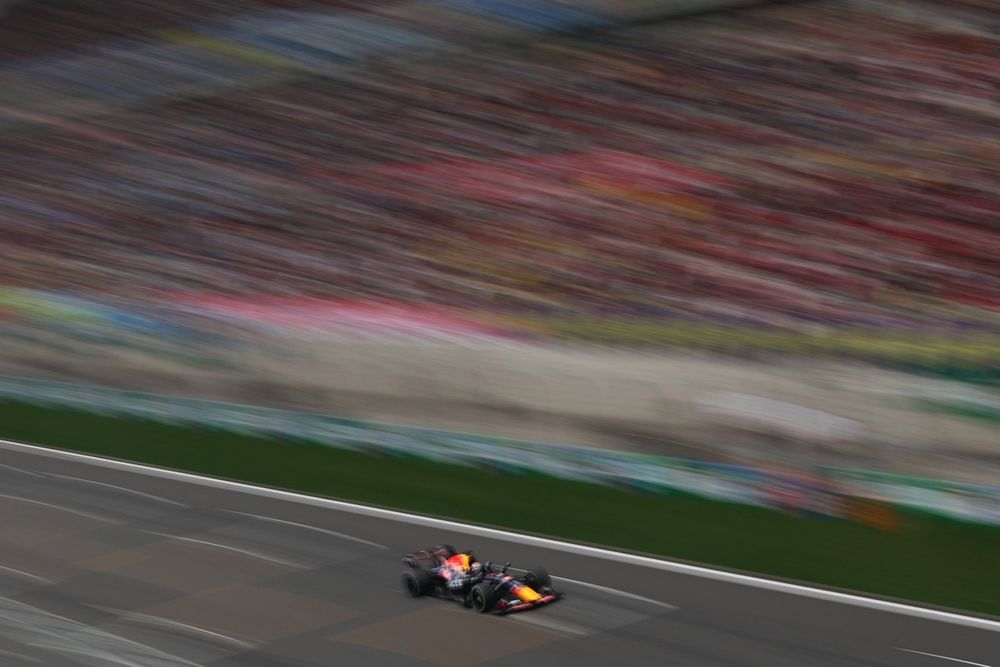
The 2023 season had started on a positive note for Red Bull, but the Chinese Grand Prix shattered that illusion. From the first practice sessions, the car showed signs of weakness on the winding Shanghai track, a stark contrast to last year’s dominance. Verstappen, who hoped to shine, had to settle for a modest eighth place in qualifying, beaten by lower-ranked drivers like Pierre Gasly.

This lack of performance is not just a temporary setback. It is a deep crisis that calls into question the team’s technical choices. The chassis of the RB22 seems unstable, making driving delicate and unpredictable. The drivers’ feedback, especially Verstappen’s, is clear: “Horrible balance,” “catastrophic pace,” terms that betray growing dissatisfaction and concern.
Starts, the Achilles’ Heel
Another black mark of the weekend was the starts. After a chaotic first race in Melbourne, Verstappen once again suffered from a lack of power at the crucial moment of the start. This recurring problem seems to be related to the engine and primarily affects the Dutch driver. Indeed, the Red Bull nearly stalled, forcing him to lose several positions right from the start of the race.
The situation is even more concerning as a world champion car must excel in all areas, including start management. When compared to rivals like Ferrari or Mercedes, there is a performance gap that could prove fatal in a season where every point counts.
Comebacks Without Follow-Through
Despite these difficulties, Verstappen managed to show his determination by climbing through the pack, even reaching the top 10. However, overtaking teams like Haas or Alpine cannot be considered an achievement for a driver of his caliber. This realization is all the more bitter as Red Bull has failed to rise to the level of other top teams, casting doubt on its ability to compete with the best.
The fierce struggle to overtake less competitive cars is a source of frustration for Verstappen, who knows the team must urgently regain its level. “This is really not where we want to be,” he stated, highlighting the gap between expectations and reality.
Refining Competition
With each race, other teams continue to progress. The rise of Alpine, for example, illustrates how dynamic the landscape of Formula 1 is. If Red Bull does not manage to turn things around quickly, it could find itself overtaken by competitors who are eager to seize their chance. The current situation is so serious that it could redefine the balance of power on the track.
Verstappen himself is not optimistic about a quick turnaround. “Not for now,” he admitted when discussing the chances of catching up to Ferrari and Mercedes. This pessimistic outlook reveals a mindset that could influence the entire team in the coming weeks.
An Uncertain Future for Red Bull
This season could mark a turning point for Red Bull. Hopes for a quick return to the top seem to be fading, and the team will need to demonstrate unprecedented resilience to reverse the trend. Recent regulatory changes, which have altered the technical landscape of Formula 1, make this task even more complex.
The challenge is immense: to regain technical balance while facing relentless competition. If Red Bull fails to make significant improvements in the upcoming races, particularly in Japan, it risks experiencing a much more difficult season than anticipated.
In Summary
- Max Verstappen experienced a catastrophic weekend at the Chinese Grand Prix, highlighting the flaws of the Red Bull RB22.
- Problematic starts and a lack of power raise questions about engine reliability.
- Disappointing performances against rivals like Alpine and Haas are concerning for the team’s image.
- Other teams continue to progress, making the situation even more delicate for Red Bull.
- An uncertain future looms for the Austrian team if no improvements are made quickly.
Useful Conclusion:
Who is this analysis for? For Formula 1 enthusiasts and automotive observers who wish to understand the dynamics at play. The alternatives for Red Bull involve a rapid reassessment of its technical strategy and agile development of its car. The strengths lie in Verstappen’s undeniable talent and the expertise of his team, but the limits are now clearly established: a gap to close against increasingly sharp competition.