Max Verstappen’s recent comments on the 2026 Formula 1 regulations have sparked strong reactions, particularly from Stoffel Vandoorne. As criticisms of F1’s direction clash with a defense of Formula E, these exchanges raise questions about the future of both disciplines. In a rapidly evolving regulatory landscape, what are the real stakes for drivers and fans?
Verstappen and the Discontent of Modern F1
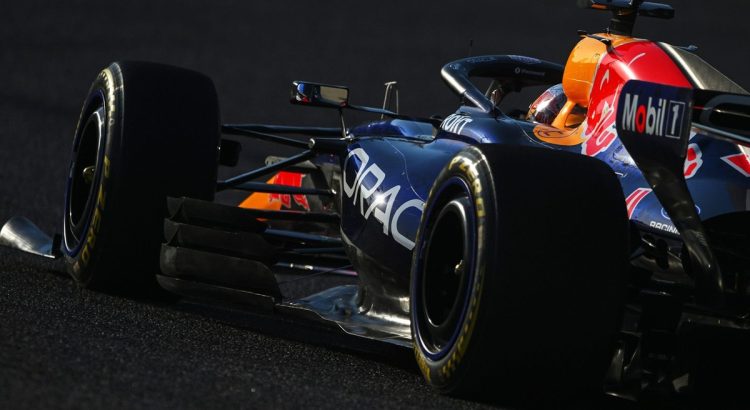
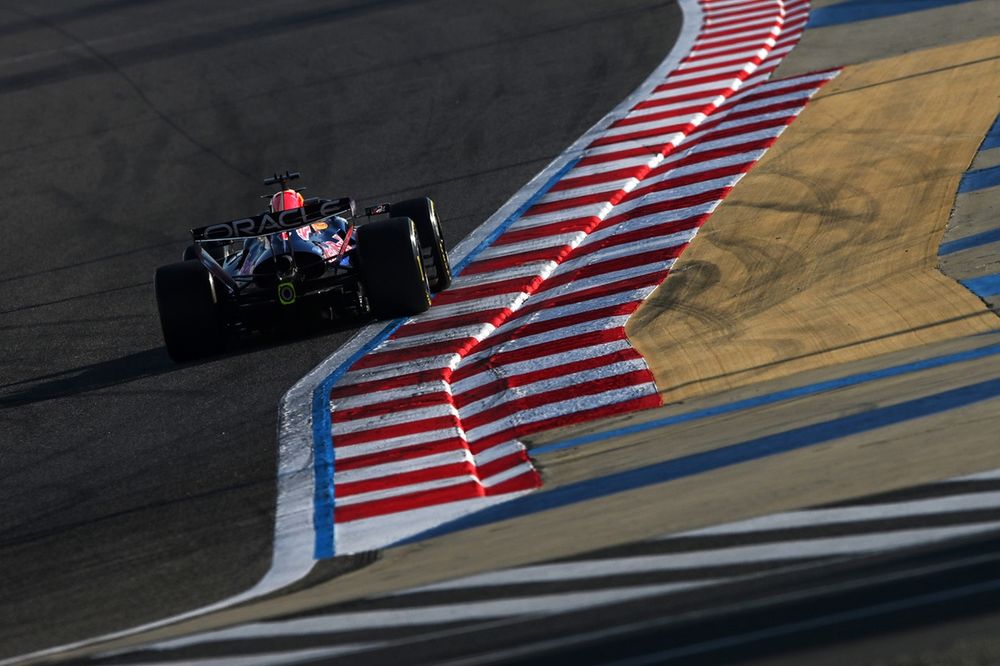
During testing in Bahrain, Max Verstappen expressed his dissatisfaction with the new regulations, which he believes are turning Formula 1 into a “steroid-enhanced” version of Formula E. His words reveal a deep frustration with the current driving experience. “It’s not very fun to drive,” he stated, highlighting the challenges of managing increasingly complex cars. This sentiment underscores a discomfort that could impact F1’s image, traditionally seen as the pinnacle of automotive performance.
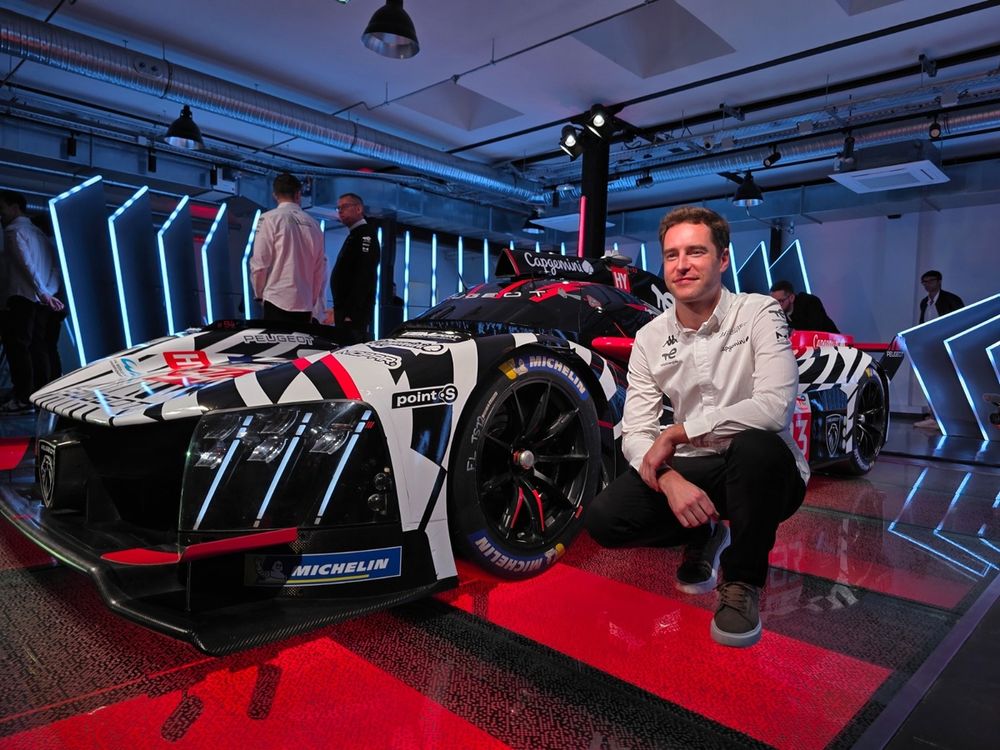
A Nuanced Response from Vandoorne
In response, Stoffel Vandoorne, who has experience in both categories, defended the relevance of Formula E while acknowledging the challenges of F1. He noted that despite the growing similarities between the two series, “Formula 1 will ultimately be much faster than Formula E.” This statement highlights F1 engineers’ ambition to maintain a significant performance gap, even in a changing regulatory environment. Vandoorne also pointed out that the new regulations in Formula E represent a “step forward,” indicating a willingness for positive evolution within the discipline.
Technical Complexity: A Double-Edged Sword
Vandoorne didn’t just defend his discipline; he also recognized the increasing complexity of F1 cars. “You almost need a PhD to understand these cars,” he remarked, reflecting a reality that could discourage some new fans. This technicality, while fascinating for enthusiasts, may alienate the general public seeking a more accessible and intuitive racing experience. The question arises: is F1 risking a disconnect from its roots by focusing too heavily on engineering at the expense of spectacle?
Can F1 and Formula E Coexist?
The debate sparked by Verstappen also raises the question of coexistence between the two championships. Vandoorne believes there is room for both series to thrive together. This could prove crucial for the future of motorsport, especially as electrification becomes unavoidable. Formula E, with its sustainability innovations, could offer valuable lessons to F1, which must adapt to the growing environmental expectations of consumers and sponsors.
Economic Stakes: The Weight of Sponsors and Fans
The response from sponsors and fans will be pivotal in the evolution of both disciplines. Brands invest heavily in championships that resonate with their values. If F1 continues to be perceived as too complex or disconnected from the general public, it risks losing sponsor interest to a more accessible and innovative Formula E. Conversely, if F1 can re-establish an emotional connection with its fans, it could strengthen its dominant position in motorsport.
An Inevitable Adaptation?
As for Verstappen, Vandoorne is confident he will quickly adapt to this new era of F1. “Max is one of the smartest drivers on the grid,” he asserted, emphasizing that F1 teams have unparalleled resources to optimize their performance. However, this adaptation may take time and require a complete overhaul of team strategies and driver expectations. Ultimately, this could transform the competitive landscape of F1.
In Summary
- Verstappen criticizes the growing complexity of modern F1.
- Vandoorne defends the relevance and advancements of Formula E.
- Both disciplines must find a balance to coexist.
- Sponsors and fans will play a key role in the future of the championships.
- A rapid adaptation from drivers will be necessary to navigate this new environment.
In conclusion, the dynamic between Formula 1 and Formula E is evolving. This debate concerns not only drivers but also fans and sponsors who shape the future of motorsport. With a rapidly changing automotive world, both championships will need to navigate skillfully to remain relevant and appealing in the years to come.