As the 2023 season heats up, Toto Wolff and Christian Horner’s contrasting visions for Formula 1 beyond 2026 have sparked significant debate. With promises of innovation clashing against fears of a declining spectacle, these two paddock heavyweights are igniting crucial discussions about the sport’s technical future.
Tension at the 2023 Austrian GP
In July 2023, the Austrian Grand Prix became a stage for palpable tension within the paddock. At that moment, initial concerns regarding the 2026 technical regulations began to surface. Christian Horner, Red Bull’s team principal, voiced worries about the new batteries’ ability to provide sufficient range for cars throughout the races. His alarmist tone resonated, launching a debate about the sport’s future.
During a press conference at the event, our team asked Horner about the potential implications of the new regulations. His response was candid: “We need to manage both the engine and the chassis for 2026. One of the major issues is weight.”
Horner’s Concerns
Horner highlighted a potential weight variation of 30 kg for the cars, which could pose problems. “The cars are already approaching the weight of an endurance vehicle. Sustainable fuels, among other things, are positive,” he added. However, he stressed the urgency of reevaluating the balance between thermal and electric power to avoid creating a technical “Frankenstein” that could compromise performance.
He also emphasized a crucial point: “F1 must remain a wheel-to-wheel race. We cannot allow drivers to downshift on straights to recharge batteries.” This vision underscores the technical challenges ahead to keep the spectacle alive.
Wolff’s Promises
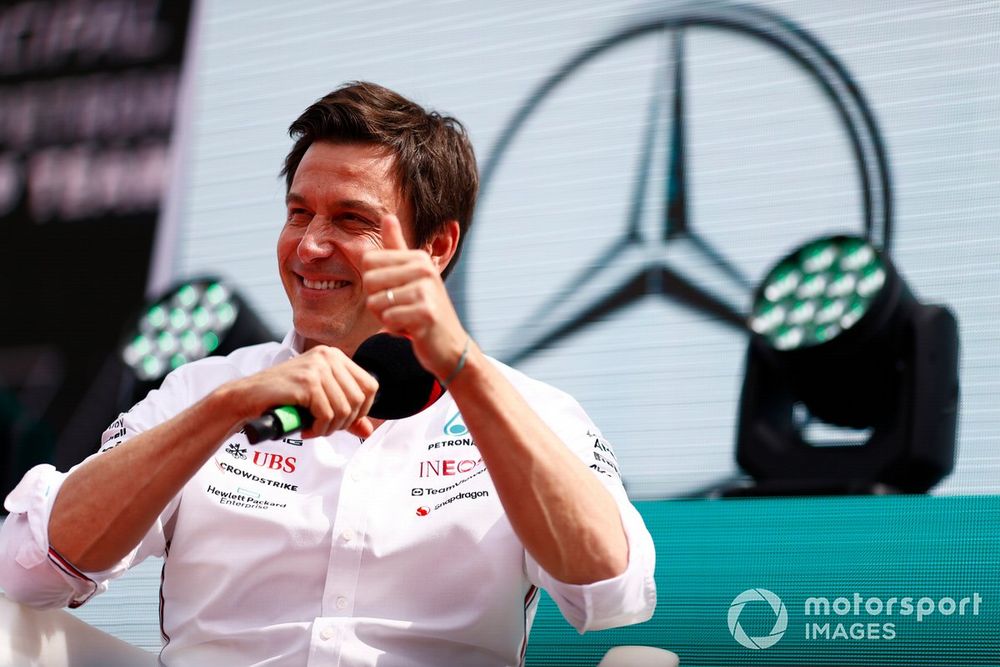
In response to Horner’s concerns, Toto Wolff displayed disarming optimism during his remarks. He suggested that the Red Bull director’s anxiety stemmed more from his own uncertainties about his engine program than from any real threat to the sport. “I think what scares him the most is that his engine program isn’t progressing,” he confidently stated.
Wolff also pointed out that the regulations had been carefully crafted and validated by all manufacturers, insisting that “this won’t happen. No chance.” The commitment of brands like Audi to the competition further proves the viability of the current regulations.
Technical Challenges Ahead
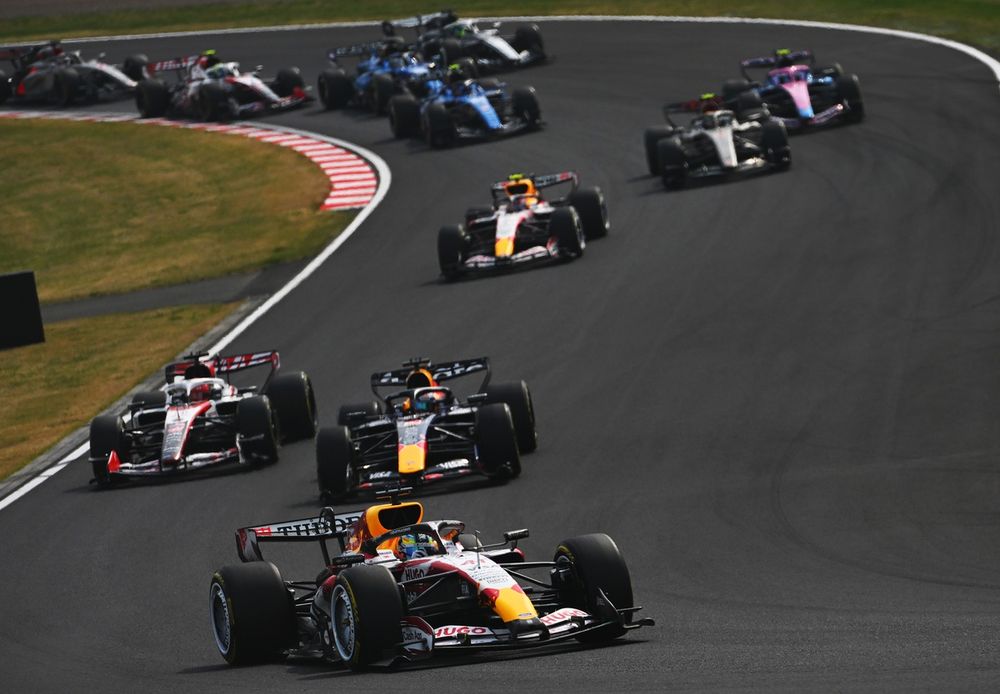
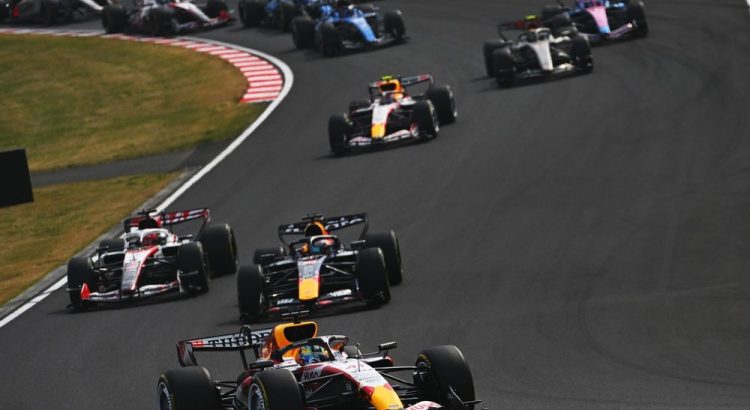
However, despite this displayed confidence, the future doesn’t seem so bright. Early races of the 2026 season have already shown that some drivers, like George Russell during the Melbourne GP, had to downshift multiple gears to manage battery energy during full charge. These situations raise questions about the efficiency of the new power units and their impact on race dynamics.
Indeed, some observers worry about a return to less thrilling races where overtaking becomes too easy, as Verstappen recently described: “A Mario Kart version.”
Shifting Towards Simplified Aerodynamics
Another point raised by Horner concerns active aerodynamics. While this topic was supposed to be complex, it appears that the “straight-line” mode, allowing drivers to flatten certain flaps via a button, could significantly simplify this technical management. This change could impact how cars behave on track and further reduce strategic stakes during races.
On the other hand, the interaction between thermal and electric engines remains a major concern to ensure a performance balance without compromising the spectacle.
An Uncertain Future for F1
Today, with over two years of experience behind us in this new regulatory format, it’s clear that Formula 1 struggles to meet the initial expectations set by Wolff and Horner. The compromises made at the chassis level have yet to rectify some alarming forecasts, leaving doubts about the near future.
Yet, with a series of meetings scheduled in the coming months, there remains hope that adjustments can be made to significantly improve this critical situation. The challenge lies in finding a balance between technical innovation and the competitive spirit that defines F1’s reputation.
In Summary
- Toto Wolff and Christian Horner present opposing visions for F1 2026.
- Horner fears a loss of battery range and excessive weight.
- Wolff bets on innovation and manufacturer commitment to secure the future.
- Early race feedback reveals significant performance challenges.
- Active aerodynamics could simplify technical issues but raises its own questions.
- Uncertainty remains about the spectacle offered to fans in upcoming seasons.