In a dramatic turn of events that has shaken the endurance racing world, Alpine has officially announced its withdrawal from the WEC and the 24 Hours of Le Mans. This decision, marking the end of an era for the brand with the arrow A, comes after nearly ten years of commitment to the discipline. Between lofty ambitions and market realities, the French manufacturer seems to be facing a storm on multiple fronts.
A Page Turns
On February 12, during a particularly crucial Social and Economic Committee (CSE) meeting within the Renault Group, the dreaded news broke: Alpine is abandoning the World Endurance Championship (WEC). After ending its rally-raid program with Dacia, another chapter closes for the manufacturer. Since its return in 2013 to the world of endurance, first with LMP2 prototypes, Alpine has established itself as a major player in the discipline.
A Chaotic Journey in Hypercar
Alpine’s Hypercar project, launched in 2021, had initially sparked a lot of hope. At first, the brand benefited from a waiver to use a restricted Oreca LMP1, but it was not until 2024 that it could line up its own LMDh prototype. However, despite stated ambitions and significant investments, the dream of reaching the peaks has faced financial and strategic obstacles. Next June, the Alpine A424 will perform its final dance on the legendary Hunaudières straight.
Rumors Become Reality
In recent weeks, whispers about a possible withdrawal of Alpine had intensified. Fears even extended to a potential disappearance of the brand itself. An Alpine spokesperson had attempted to reassure fans by stating that the brand’s identity would not disappear, without contradicting the now-official decision to leave the championship.
A Compromised Long-Term Vision
To add to the confusion, former Renault CEO Luca de Meo stated last summer that Alpine would need about twenty years to compete with giants like Porsche. An ambitious vision that his successor, François Provost, has decided to challenge with this hasty decision. While Alpine’s participation in the WEC for the 2026 season was uncertain, management ultimately gave the green light for a final year. This project relied on the recognized expertise of the Signatech structure, led by Philippe Sinault.
Difficult Choices for a Sustainable Future
“We had to make difficult decisions to protect Alpine’s long-term ambitions,” said Philippe Krief, CEO of Alpine. He mentioned slower-than-expected growth in the automotive sector, particularly regarding electric vehicles. He also emphasized the need to redirect investments towards the product range and the Alpine brand. A way of saying that motorsport, while important, is not the priority in this critical phase.
A New Strategy Ahead
Alpine now seems to be focusing on Formula 1, a platform that could offer better visibility and recognition for the brand. “While we regret not being able to continue in the WEC after this season, we firmly believe that our future lies elsewhere,” Krief added. Indeed, this strategy could allow Alpine to reconnect with its roots while adapting to a constantly evolving market.
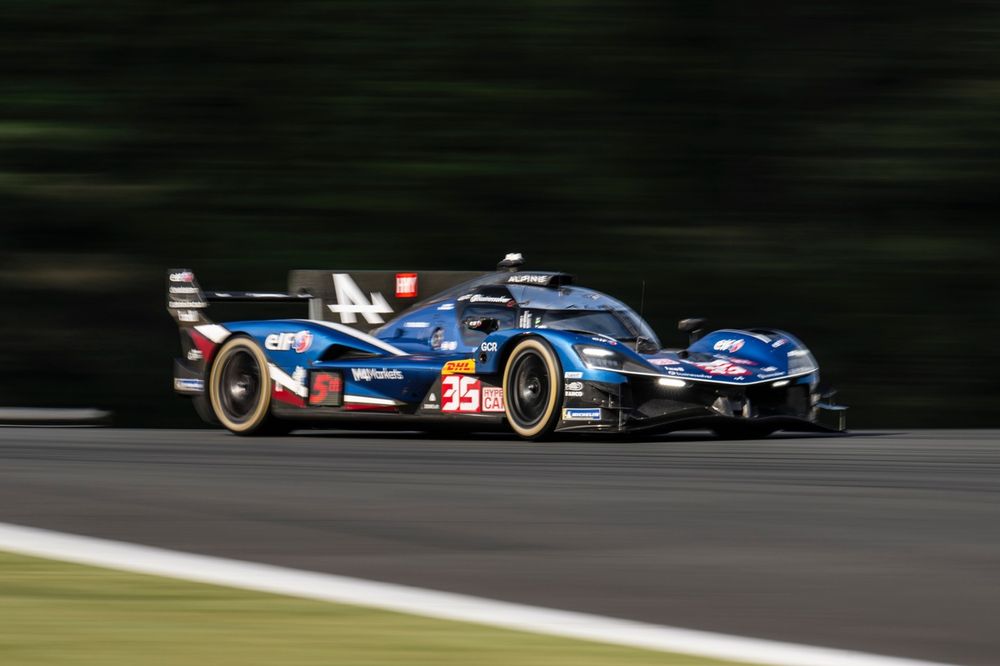
The 2026 season will thus be a farewell for Alpine in endurance.
A Legacy to Preserve
As the team prepares to present its final season in a farewell tour atmosphere, it knows that each race will be a crucial moment to honor this legacy. The A424 prototype, which has recently benefited from technical developments and won its first victory at Fuji last fall, will be a symbol of this rich emotional journey.
Repercussions Within the Renault Group
This announcement comes at a delicate time for Renault. The Viry-Châtillon site, which had already lost the design of F1 engines to Enstone, may well see its future compromised. Voices are rising among local elected officials and unions, denouncing “lies and betrayals,” as the closure of a factory looms on the horizon. This site was initially set to become “Hypertech,” but the new directions seem to call these ambitions into question.
A New Beginning for the Factory
Renault has since announced that the factory will continue its transformation by focusing on innovation for the Group and the Alpine brand. “This transformation relies on the unique skills of our employees and on high-end equipment already in place,” assured the leaders. A promise of renewal that remains to be verified in light of current uncertainties.
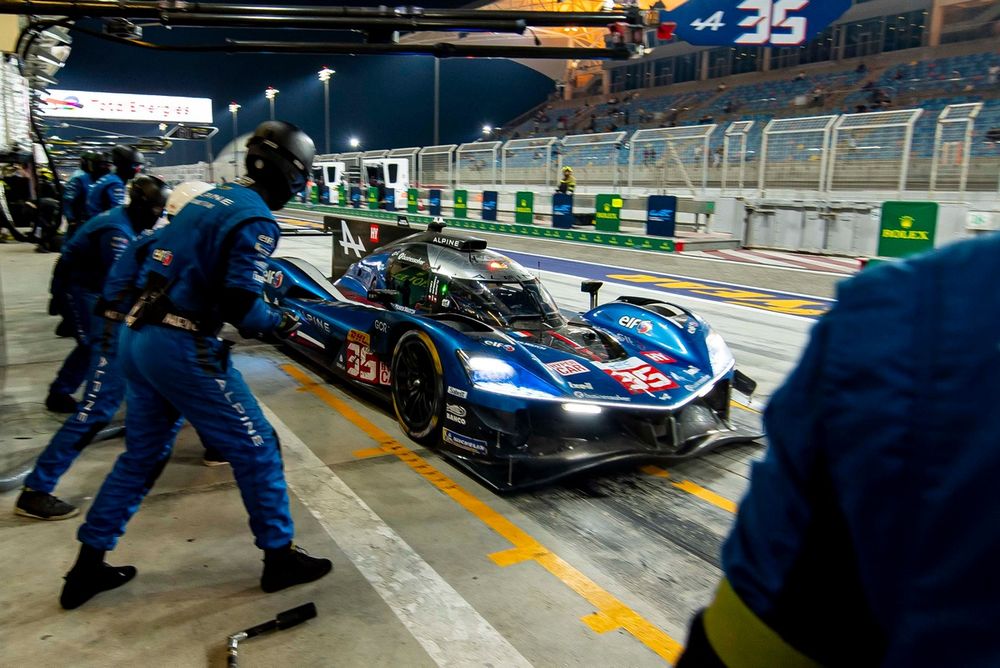
Thus, it is the end of an era for Alpine, which has managed to carve out a place in the demanding world of endurance.