As electrification becomes a necessity, BMW is choosing to embrace ambition. The German automaker has announced a goal of parity between its electric and combustion vehicle sales by 2030, a risky bet that could redefine its market image.

While several automotive players have rushed to announce the end of combustion engines, BMW is taking a more nuanced approach. In Munich, the brand defends a multi-powertrain strategy, aware that the shift to electric cannot be universally imposed. Far from hasty promises, BMW has invested over €10 billion in its Neue Klasse, the largest investment in its history. This effort goes beyond electric vehicles, representing a true transformation of the company, with notable advancements in battery technology and infotainment.
A Strategy with No Room for Error
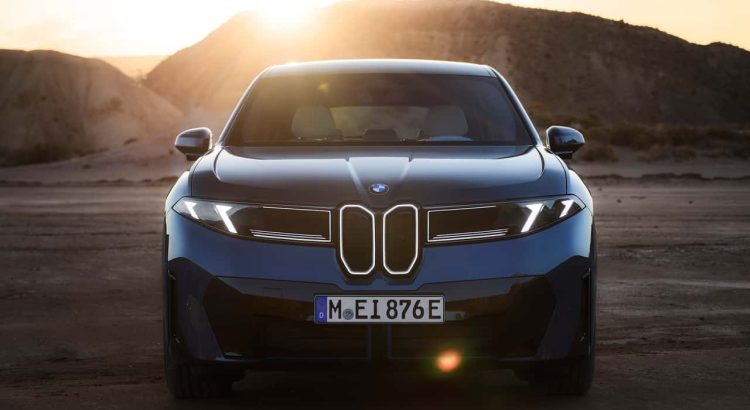
The Neue Klasse project, which includes models like the 2026 iX3, aims to integrate next-generation motors and batteries. Additionally, the construction of a new factory in Debrecen, Hungary, demonstrates a commitment to industrializing this transition. The stated goal is to mass-produce electric vehicles while continuing to offer combustion options. This duality is a strategic choice that could appeal to a wide range of consumers, from staunch electric advocates to combustion engine enthusiasts.
Numbers That Speak for Themselves
Currently, 100% electric vehicles account for only 17.9% of BMW’s total sales, a figure that has slowly grown from 4.1% in 2021. Achieving 50% by 2030 seems ambitious but not unrealistic. The automaker is banking on a momentum that strengthens year after year. Indeed, the brand has already recorded over 50,000 orders for the new iX3 just six months after its launch, an encouraging sign that could herald increasing adoption of electric models.
A Well-Orchestrated Product Offensive
BMW is not merely reacting to market demand; it is launching a genuine product offensive. With the arrival of the i3 sedan and an iX5 expected later this year, the brand aims to diversify its electric offerings. The promise to produce at least six electric SUVs by 2030, including an iX6 and potentially an off-road model to compete with the Mercedes G-Class, reflects a desire to conquer all market segments.
The Challenges of Transitioning to Electric
However, this ambitious strategy is not without obstacles. Dependence on charging infrastructure and public perception of electric vehicles remain major issues. BMW will also have to navigate a competitive landscape where brands like Tesla and Volkswagen are leading the charge. The question remains: will these new models be enough to convince customers still attached to combustion engines?
Toward Sustainable Transformation
Meanwhile, BMW is committed to developing more affordable models, such as the i1 and i2 sedan, to attract a broader customer base. This could also create a break from the brand’s traditional premium image. If these new offerings meet market expectations, they could strengthen BMW’s position in the electric segment.
In Summary
- BMW aims for 50% electric sales by 2030, an ambitious target.
- The Neue Klasse marks a significant industrial turning point for the automaker.
- Electric vehicle sales have gradually increased, reaching 17.9% in 2025.
- A product offensive is underway with several electric models on the horizon.
- Challenges remain regarding infrastructure and public perception.
In conclusion, this strategy could redefine BMW’s market image and help it remain competitive against rivals. The real challenge will be whether the brand can convince consumers of its dual vision between combustion and electric. The coming years will be crucial in assessing the impact of these decisions on market share and future innovation in the automotive industry.