


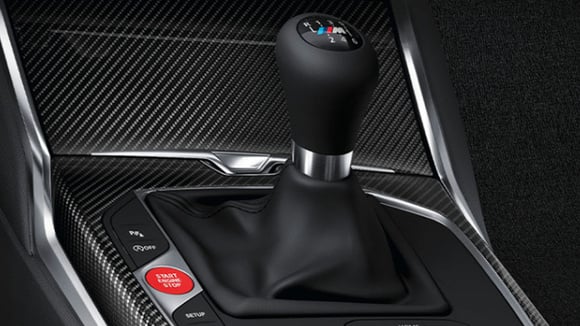
The manual transmission, a symbol of adrenaline and control, is on the verge of becoming a rarity at BMW M. With the rise of hybrid and electric powertrains, the German automaker’s Motorsport division appears to be embarking on a decisive turning point. This evolution raises questions about the future of sports cars, their character, and the loyalty of purists.
A Declining Era: The Manual Transmission in Jeopardy
There was a time when manual gearboxes were essential in all sports cars, even the most prestigious. However, the advent of automatic and sequential transmissions has gradually changed the landscape. In the 2000s, technologies like robotic gearboxes emerged, relegating manuals to exotic options. BMW, a bastion of performance, is not immune to this trend. As the automaker plans to launch around thirty sporty models by 2030, the future of manual gearbox models looks uncertain.
A Technical Necessity in the Face of Power
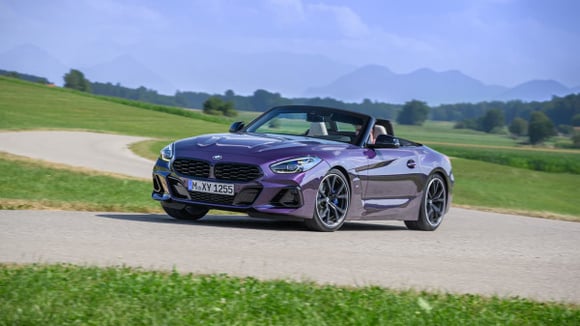
The reality is clear: the current manual gearbox cannot handle the high torque of new powertrains. Frank Van Meel, CEO of BMW M, revealed that the manual transmission cannot withstand more than 550 Nm without compromising reliability. This explains its absence in models like the M3 and M4 CS, which boast 650 Nm. Developing a more robust version would be deemed economically unwise, leaving purists in suspense.
In essence, the evolution of engine performance necessitates a reevaluation of the viability of the manual gearbox. As power levels soar, transmissions must evolve accordingly. The question arises: at what cost will this longevity be ensured?
Hybridization: A Fatal Incompatibility
The shift towards hybrid and electric models is another determining factor in this gradual disappearance. Sports cars like the M5 and the upcoming i3 Neue Klasse will not be able to accommodate a manual gearbox, as it is incompatible with modern hybrid systems. The European policy of reducing CO₂ emissions further accentuates this trend, making it difficult for 100% combustion models capable of housing a mechanical transmission to survive.
Yet, this change is not limited to technical considerations. It also reflects a shifting market, where efficiency and sustainability take precedence over traditional driving pleasure.
Fluctuating Demand: Purists Face Reality
While the manual gearbox is in decline, it is also due to changing demand. In Europe, sales of cars equipped with automatic transmissions have surpassed those with manual gearboxes since 2021. Paradoxically, in the United States, where manuals have become marginal, the demand for BMW M models with manual transmissions remains strong. Frank Van Meel reports that one in two M2s sold in the U.S. is equipped with such a transmission. But will this be enough to secure the future of this type of gearbox?
This disconnect between market preferences could have implications for BMW M’s strategy. If the American market continues to show interest in manuals, sales volumes may not be sufficient to convince the automaker to invest in a declining technology.
A Double-Edged Strategy: Balancing Tradition and Modernity
BMW M faces a dilemma: how to reconcile the legacy of an iconic brand with the demands of a rapidly transforming market? The gradual phasing out of the manual gearbox could allow BMW to focus on innovation and efficiency. However, it could also alienate a portion of its loyal customer base, attached to the brand’s traditional sporting DNA.
The question remains: how far can BMW M go without losing its soul? By pushing hybridization and automation beyond reasonable limits, the automaker risks severing its roots while facing competition that knows how to play both sides.
In Summary
- The manual gearbox is slowly but surely disappearing from BMW M.
- Technical and regulatory constraints render its future uncertain.
- Demand for manual transmissions varies by market.
- BMW M must juggle modernity and respect for its heritage.
- The future of sports cars may revolve around widespread hybridization.
Conclusion:
The gradual disappearance of the manual gearbox at BMW M marks a significant turning point in the brand’s history. For purists, it’s a farewell to a bygone era. For BMW, it’s a strategic necessity in the face of contemporary challenges. In the medium term, this evolution could redefine the image of sports cars and raise questions about their character and appeal. Will hybrid and electric alternatives take over without diluting the driving experience? Only time will tell.


