The energy transition is on everyone’s lips, and Formula 1 is no exception. With electric power nearly tripled to reach 350 kW, the new F1 engines face a significant challenge: how to optimize this energy without sacrificing performance? Engineers are competing in ingenuity to ensure that drivers do not fall behind while juggling the legacy of thermal engines.
An Expanding Electric Power
It is undeniable that Formula 1 is evolving at a breakneck pace. The power of electric motors has nearly tripled, increasing from 120 kW to 350 kW. However, the capacity of the batteries has not seen a proportional increase, remaining barely above that used until 2025. This raises a crucial question: will electric energy be sufficient to cover a full lap without resorting to a thermal engine?
In this situation, active aerodynamics has been developed to reduce drag. But, let’s be honest, this may not be enough. Teams find themselves compelled to develop innovative solutions to avoid having only half of the engine power available in the middle of a straight, which would be as frustrating as a red light in the middle of a grand prix.
The Future of Thermal Engines on the Circuit
Matt Harman, the technical engineering director of Williams, shared his thoughts on this delicate subject during a recent media meeting. For 2026, he expects to hear thermal engines “singing” even in the corners, hoping to use fuel to recharge the battery. This idea may seem absurd to some, but it illustrates the direction Formula 1 is heading.
“Fundamentally, energy recovery is going to be a challenge with these cars,” Harman said. “We know why we have active aerodynamics, and we need to ensure that we can maximize that recovery.” A statement that gives an idea of the puzzle engineers will have to solve: how to optimize energy recovery while maintaining optimal stability for the drivers?
A Reinvented Driving Experience
The challenges do not stop there. Harman also mentioned that drivers may need to adopt much lower speeds in certain parts of the circuit to maximize energy recovery. Imagine an F1 driver navigating at a reduced pace like a cat on a slippery road, desperately trying to recover every watt of energy possible. This could radically change the way we perceive driving in Formula 1.
“It complicates things for us because it poses a stability issue. So we need to think about how to control the power unit, how to control the stability at the rear of the car, and the systems we have to achieve that,” he added. Drivers will need to adapt their driving style to juggle these new requirements. The road to optimal performance will be fraught with challenges, but that is where the charm of competition lies.
Solutions Inspired by the Hybrid World
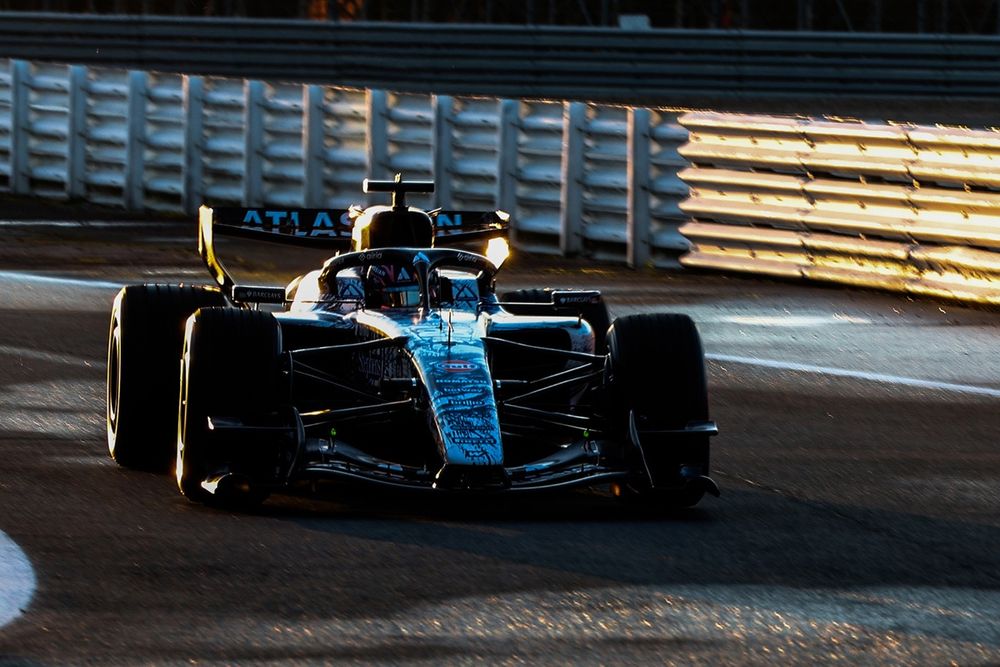
During a roundtable, Angelos Tsiaparas, head of track engineering at Williams, shared his vision for the future: “Imagine a hybrid road car. Suppose the thermal and electric powers are equal. You don’t need to press the brake pedal to recover electric energy through your electric motor.”
Tsiaparas described a scenario where drivers could run the electric motor in negative torque to generate electricity while burning fuel. “This is already what was happening in the previous regulations. It’s not really a novelty,” he clarified.
It is fascinating to note that these strategies, although already existing, will become much more effective with the increased power of electric motors in 2026. This evolution could mark the beginning of a new era where the blend of thermal and electric technologies becomes the norm.
Conclusion: Towards a Sustainable Formula 1?
As Formula 1 enters this new phase of energy transformation, it is clear that the challenges are numerous. The quest for maximum performance without compromising innovation is at the heart of the concerns of technical teams. The tension between tradition and modernity is tightening, and the world of motorsport is about to enter an era where thermal and electric engines will coexist like never before.
If you want to follow the evolution of these exciting changes, feel free to check out our dedicated section on Formula 1, where we will keep you informed of the latest news and innovations in the world of racing.