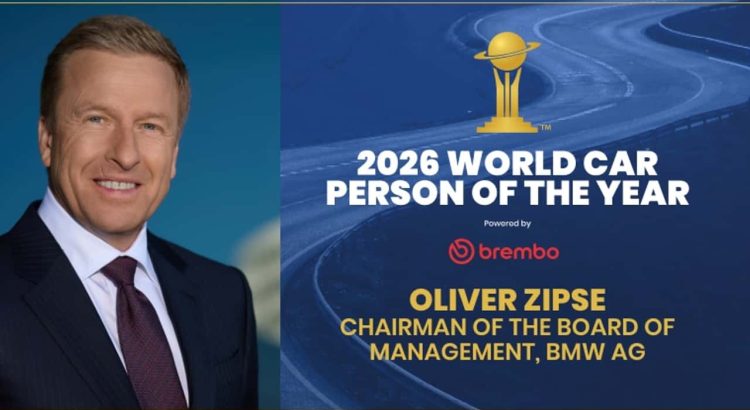
Oliver Zipse has been named the 2026 Automotive Personality of the Year, a recognition that highlights his pivotal role in steering BMW towards electrification and digitization. Leading an iconic brand, he has successfully blended innovation with strategy in a rapidly changing market.
This year, the global Automotive Personality award was presented to Oliver Zipse, CEO of BMW AG, by the World Car Awards powered by Brembo. This accolade acknowledges the direction Zipse has taken the German automaker, marked by unprecedented strategic and technological changes, particularly with the launch of the BMW Neue Klasse lineup. This project stands as the most ambitious in the brand’s history, embodying a commitment to reinvention in an evolving automotive sector.
A Bold Vision for an Electric Future
Since his appointment in 2019, Oliver Zipse has implemented a clear and ambitious strategy for BMW. With a solid background in computer science, mathematics, and mechanical engineering, he has brought scientific rigor to the company’s leadership. His open approach to various powertrain technologies, ranging from internal combustion engines to fully electric solutions, reflects the necessary flexibility in a market where demand is rapidly evolving.
In essence, Zipse has managed to maintain a delicate balance between innovation and profitability. He has transformed BMW’s product portfolio, thereby strengthening its position in the premium segment. This strategy has been praised by Jens Meiners, emeritus president of the World Car Awards, who highlighted Zipse’s ability to transform the brand’s international reputation.

A Collective Effort Towards a Common Ambition
Interestingly, Zipse does not see himself as the sole architect of this success. Upon receiving this distinction, he emphasized the importance of teamwork: “This award is not just about my role, but the courage and commitment of everyone who contributed to the Neue Klasse. Without their involvement, the results achieved would not have been possible.” This statement highlights the team spirit at BMW and the importance of a strong corporate culture in achieving ambitious goals.
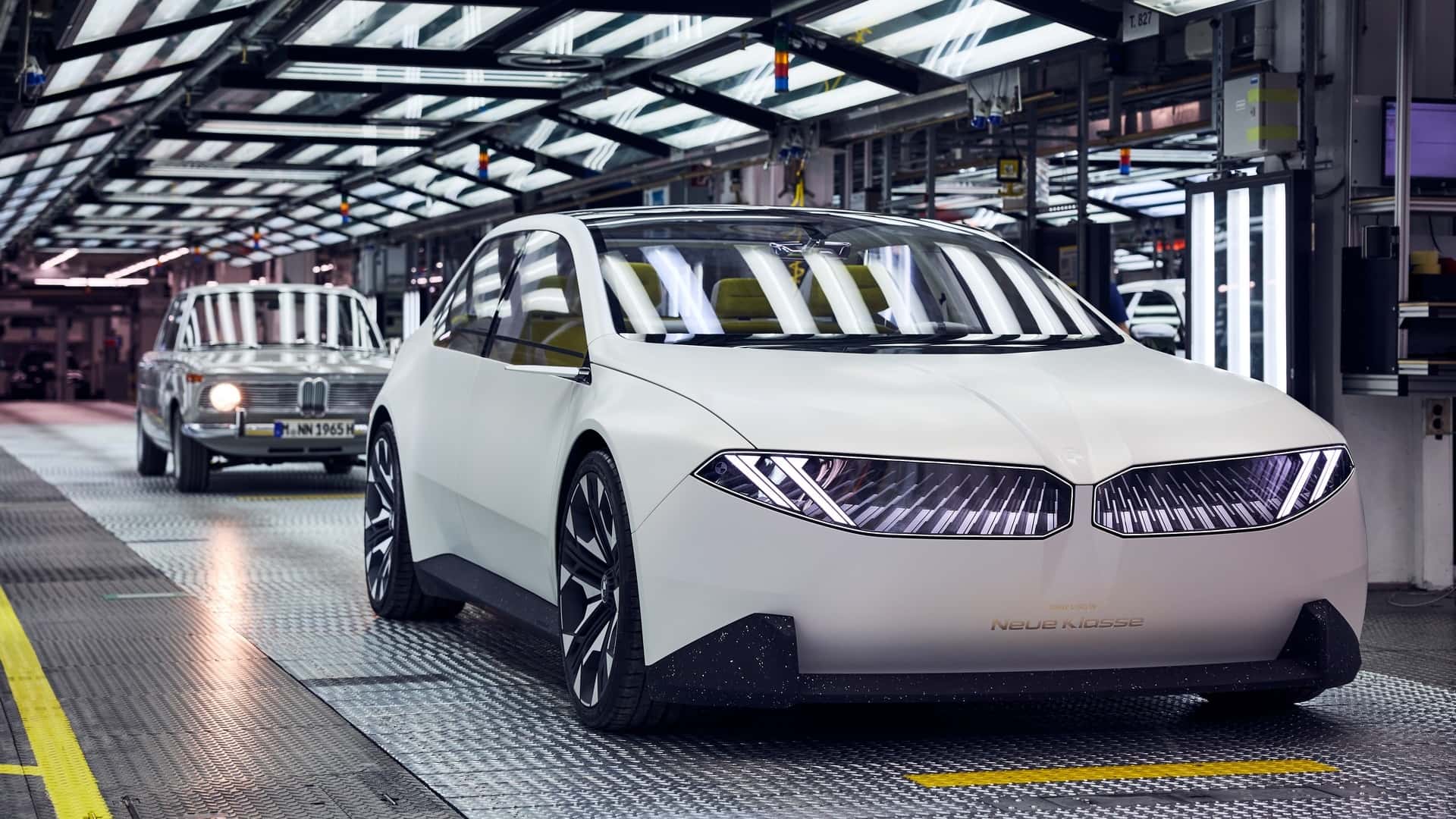
The first Neue Klasse alongside the BMW Vision concept on the production lines of the Munich plant
This recognition by the World Car Awards underscores how essential innovation and teamwork are in shaping the future of mobility. In a context where consumer expectations are rapidly evolving, it is imperative for companies to adapt and meet new ecological and technological demands.
The Stakes of a Successful Transformation
The Neue Klasse project represents a true turning point for BMW. By integrating advanced technologies and optimizing energy efficiency, this initiative addresses the growing demand for more sustainable vehicles. However, the path is fraught with challenges: competition is fierce, with brands like Tesla continuing to redefine the standards of electric vehicles.
Practically, this means BMW must not only innovate but do so quickly. Today’s consumers seek vehicles that combine performance, technology, and environmental responsibility. The pressure is on for the brand to meet these expectations while maintaining profitability.
Redefining Brand Image
The transformation orchestrated by Zipse goes beyond products; it also encompasses BMW’s image in the global market. By positioning itself as a leader in electrification, the brand aims to attract a new clientele concerned about the environmental impact of their automotive choices. This requires a radical shift in public perception of BMW, traditionally associated with powerful engines and sporty performance.
Thus, it is crucial for the brand to communicate effectively about its new values. The challenge is significant: how to convince loyal customers while attracting a new generation of buyers? This repositioning could well be one of the major challenges in the coming years.
Challenges to Overcome
Despite these advancements, several challenges remain. The transition to electric vehicles entails colossal investments in production and distribution infrastructures. Additionally, the volatility of raw material markets for batteries poses a threat to the future profitability of electric models. In short, if BMW wants to succeed in its transformation, it must skillfully navigate between innovation, costs, and consumer expectations.
In Summary
- Oliver Zipse is recognized for his key role in BMW’s transformation.
- The Neue Klasse marks a strategic turning point for the brand.
- Teamwork is essential to achieve collective ambitions.
- Competition in the electric sector imposes constant pressure.
- BMW must redefine its image to attract a new clientele.
In conclusion, Oliver Zipse embodies a willingness for change at BMW, but challenges remain numerous. Who is this transformation relevant for? For environmentally conscious consumers seeking performance, the Neue Klasse could meet their expectations. However, BMW will also have to contend with increased competition and a constantly evolving market. The coming years will be crucial to see if this bold strategy will bear fruit or if it will encounter insurmountable obstacles.