Polestar is making a strategic pivot by reintroducing physical buttons in its cabins, responding to a growing consumer demand. This change comes amid new regulations and a general fatigue with ubiquitous touch controls. The Swedish brand seems poised to right the ship and adapt to its customers’ expectations.
A Return to Basics
With new regulations taking effect abroad and customers increasingly tired of screens, automakers are finally starting to dial back the touch control overload. Even Polestar, a brand that launched with nearly all functions integrated into a massive screen, will soon reintroduce physical buttons in its cabins. The brand’s design director, Philipp Römer, recently confirmed this during an online webcast, as reported by our colleagues at InsideEVs. Future models will feature more buttons and knobs, a notable shift for a brand that has long emphasized a minimalist, screen-centric aesthetic.
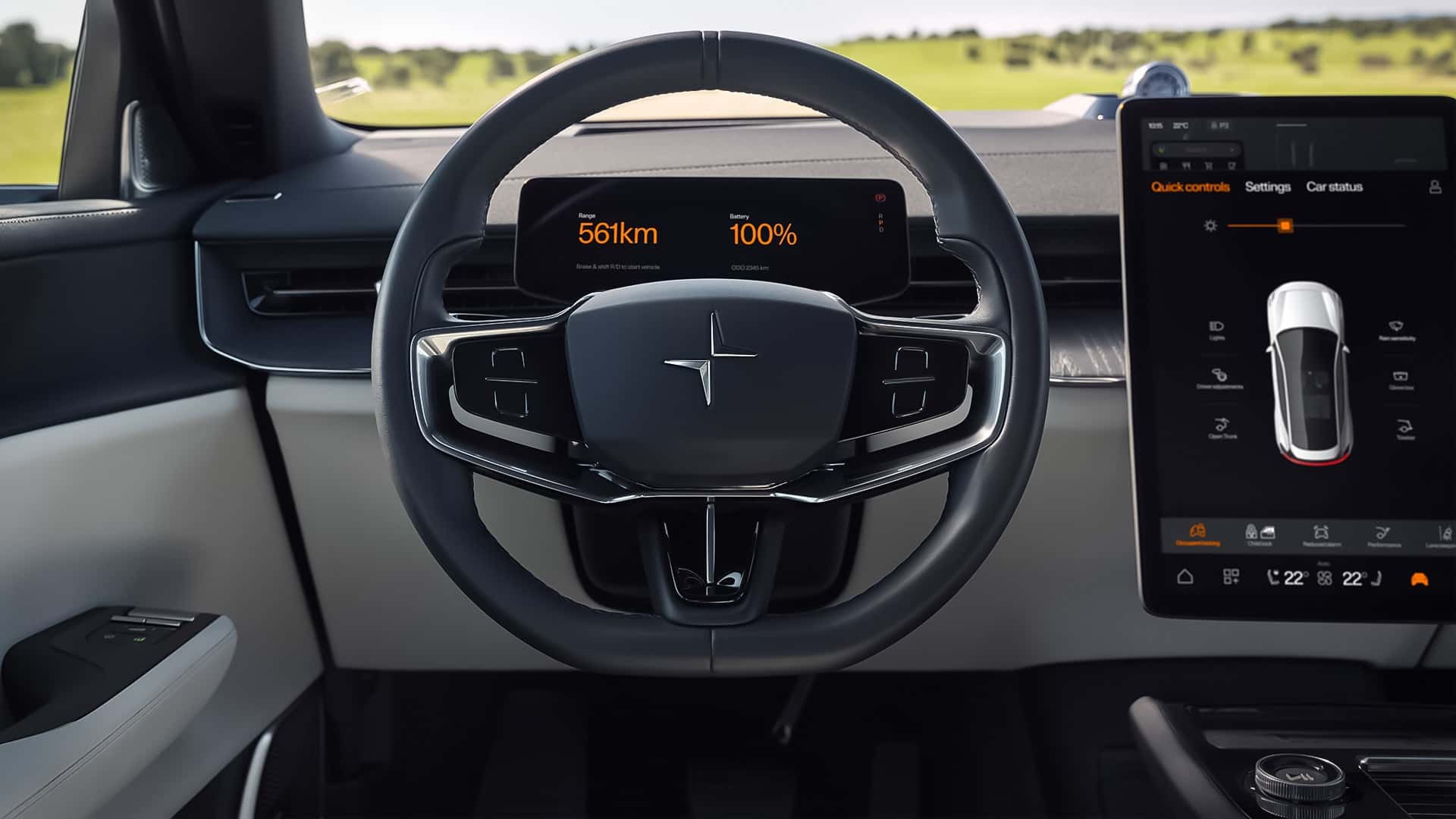
Interior of the Polestar 3 Performance
The Reasons Behind This Turnaround
The timing of this evolution is hardly surprising. New safety requirements in Europe, via Euro NCAP, now mandate certain physical controls for a vehicle to achieve the maximum five-star rating. China, another key market for Polestar, has also begun tightening regulations regarding interiors that rely too heavily on touch screens. In short, this return to buttons is not just a trend but a necessity to meet current safety standards.
A Rethought User Experience
Beyond adding physical controls, Polestar also plans to evolve its infotainment system. The brand will continue to use Android Automotive but with expanded customization options to make the experience more tailored to individual preferences. This approach aims to improve ergonomics and reduce the complexity of the interface, which users often found too austere. In essence, Polestar seeks to make technology more accessible and intuitive.
A Revamped Interior Design
The interior design itself is also under consideration. Römer indicates that new colors and materials will be introduced in models like the Polestar 3 and 4, which currently only offer shades like gray, white, and black. This diversification of options is crucial for attracting a broader clientele seeking a warmer, more personalized interior. It could also enhance Polestar’s brand image as an innovative manufacturer attentive to its customers’ tastes.
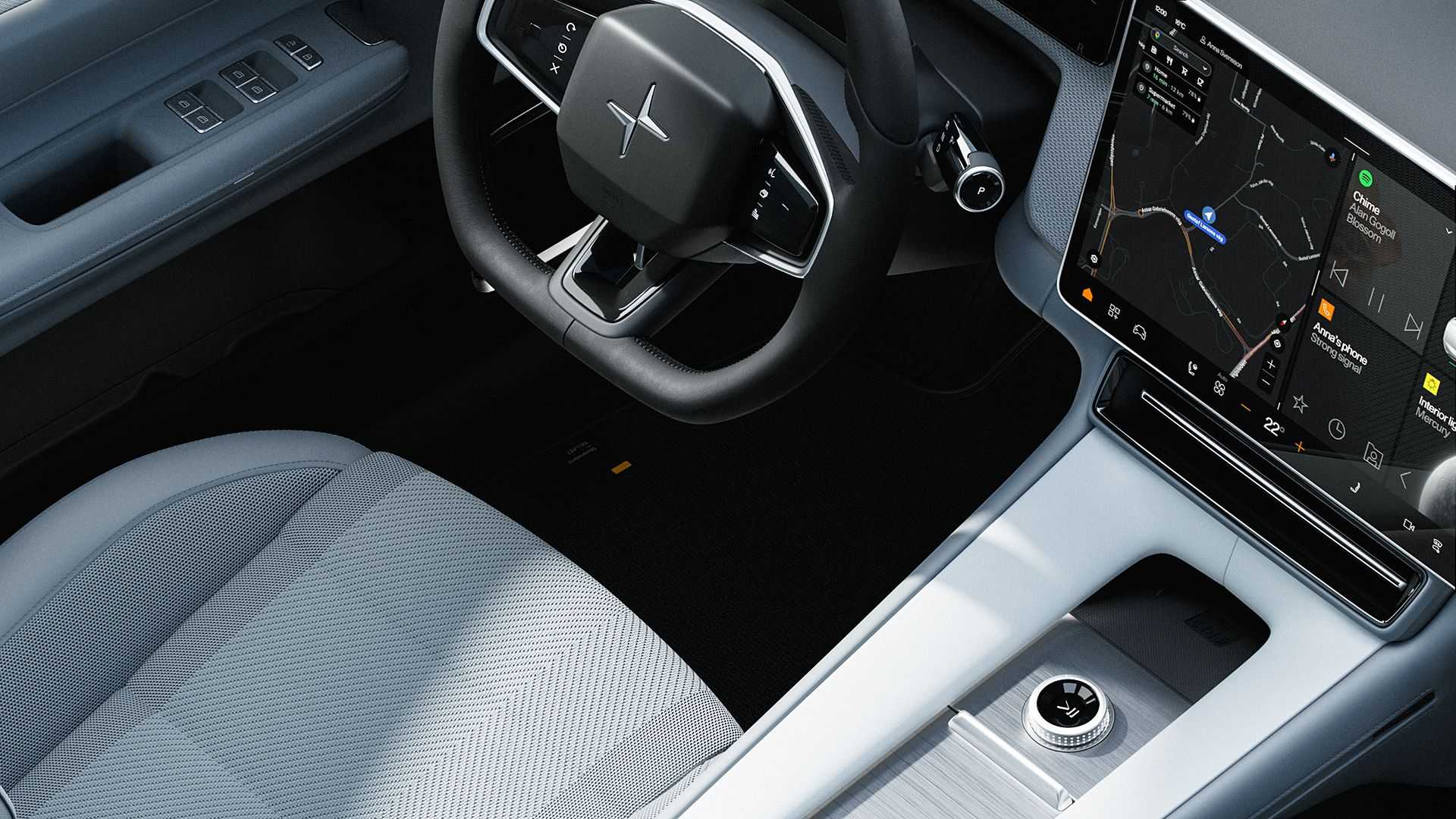
Interior of the Polestar 4
A Product Offensive to Right the Ship
These evolutions are part of a broader effort by Polestar to turn things around. The automaker recently teased what it described as its “largest product offensive in the company’s history,” including an updated Polestar 4, a refreshed Polestar 2, and the announcement of the all-new Polestar 7. Meanwhile, the Polestar 6, initially expected this year, has been delayed. All these strategic moves aim to reposition the brand in an increasingly competitive market where innovation and customer satisfaction are paramount.
Market Impacts and Competition
This shift in direction could have significant repercussions in the market. By reintroducing physical buttons and improving its infotainment system, Polestar could attract a customer base weary of excessive touch technology. Moreover, this strategy might encourage other manufacturers to follow suit, especially those that have also leaned into minimalist interiors. In summary, this turnaround could signal the beginning of a new trend in the automotive industry, where comfort and ease of use regain prominence.
All signs suggest that Polestar is heading in the right direction. By seeking to blend modernity with functionality, the brand could carve out a strong and lasting image in the electric vehicle market. As consumers become increasingly discerning, this strategy may allow Polestar to stand out in a rapidly evolving sector.
In Summary
- Polestar is reintroducing physical buttons in its future models.
- New safety regulations are influencing this decision.
- An overhauled infotainment system for a better user experience.
- New materials and colors for a more attractive interior design.
- An ambitious product offensive to strengthen its market position.