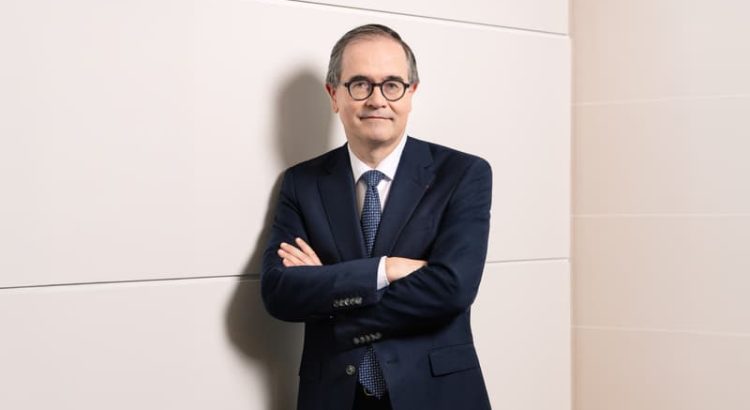
Automakers want to make a big impact: 80% of mandatory European content in vehicles. But François Provost, the big boss at Renault, doesn’t quite agree. For him, the bar should be lowered to 60%. A proposal that resembles a boxing match, where each camp vigorously defends its corner.
80%: an ambition deemed unrealistic
Imagine a world where every car is made up of 80% European parts. It sounds like a beautiful promise, a bit like the return of the glorious years of French cinema, but in reality, it’s closer to a crazy dream than a tangible reality. François Provost, the head of Renault, is clear: reaching this target is unrealistic. He mentions a production that could cause waves in supply chains already shaken by successive crises, like a storm on a choppy sea. Basically, we need to be pragmatic. So, why not aim for 60%?
A necessary compromise
In this ocean of numbers and percentages, a compromise emerges that could save the day. The 60% proposed by Renault is not just a random figure; it’s a delicate balance between ambition and feasibility. It’s like trying to balance on a tightrope over a precipice: too much weight on one side and it’s a guaranteed fall. Provost emphasizes that reaching this threshold would not only support the local industry but also avoid logistical complications that could turn car manufacturing into a real headache. Less stress, more flexibility!

Global competition in the balance
On the other hand, pressure comes from international competitors who continue to shake up the market with lower production costs. Imagine this as a rock concert where all the musicians are trying to grab attention; if one of them plays too loudly, they risk overshadowing the others. The question is: can Renault afford to tune in to European requirements without risking losing market share to Asian or American giants? It’s hard to be both the hero and the villain in this story.
A future to build together
It is clear that this debate about local content is not just about numbers. It’s an identity question for Europe in the face of rampant globalization. Supporting the European industry becomes a vital necessity, like a shield against economic storms. This dialogue between suppliers and manufacturers like Renault could well be the first step towards a European industrial renaissance, or simply a masquerade ball where everyone wears a mask that conceals their true intentions.
At a time when the automotive sector is shaken by unprecedented environmental and social challenges, it is crucial for stakeholders to unite to build a more sustainable future. The idea of a balance between local production and global competitiveness is more relevant than ever. If Renault and its peers manage to find common ground, it could pave the way for a new era of innovation and prosperity for the European automotive industry.
Official sources: