Micro-mobility, once considered the panacea for modern cities, seems to be sinking. The Renault Group, by announcing the abandonment of its Mobilize projects, is putting an end to an adventure that many hoped would be sustainable. Between a difficult market and poorly calibrated ambitions, reality catches up with the dreams of car sharing and micro-vehicles.
A bitter assessment for Mobilize
Is the season of micro-mobility already behind us? The Renault Group has decided to end its most ambitious projects related to its Mobilize Beyond Automotive division. This decision stems from a simple observation: the profitability of these initiatives does not meet expectations. Urban car sharing and electric micro-vehicles are now relegated to the status of economic curiosities, unable to transform into sustainable models.
François Provost, the new CEO of the group, is preparing a renewed strategic plan aimed at integrating several activities into the core business of Renault. Meanwhile, Fabrice Cambolive, the Chief Growth Officer, is taking charge of solutions related to electric charging. The goal is clear: simplify users’ lives while developing models that are more coherent with Renault’s identity.
Micro-mobility and sharing: a fragile model
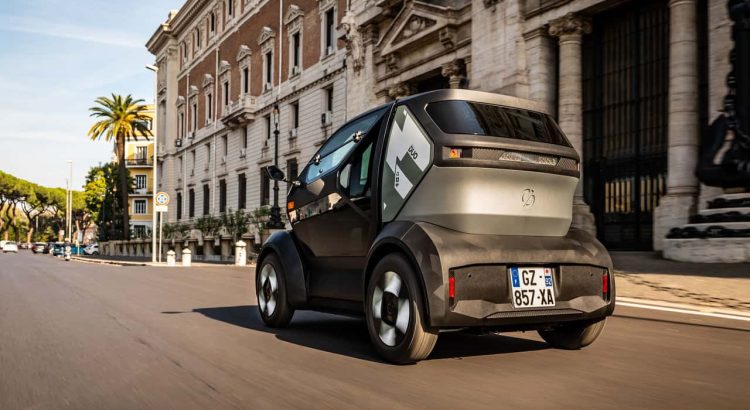
The first blow concerns the Zity car-sharing service, which will close its doors in Milan and gradually suspend its activities in Madrid. The production of the electric quadricycle Duo and its cargo version Bento is also halted a few months after their launch. Renault justifies these decisions by the lack of profitability prospects and the absence of synergies with its strategic priorities.
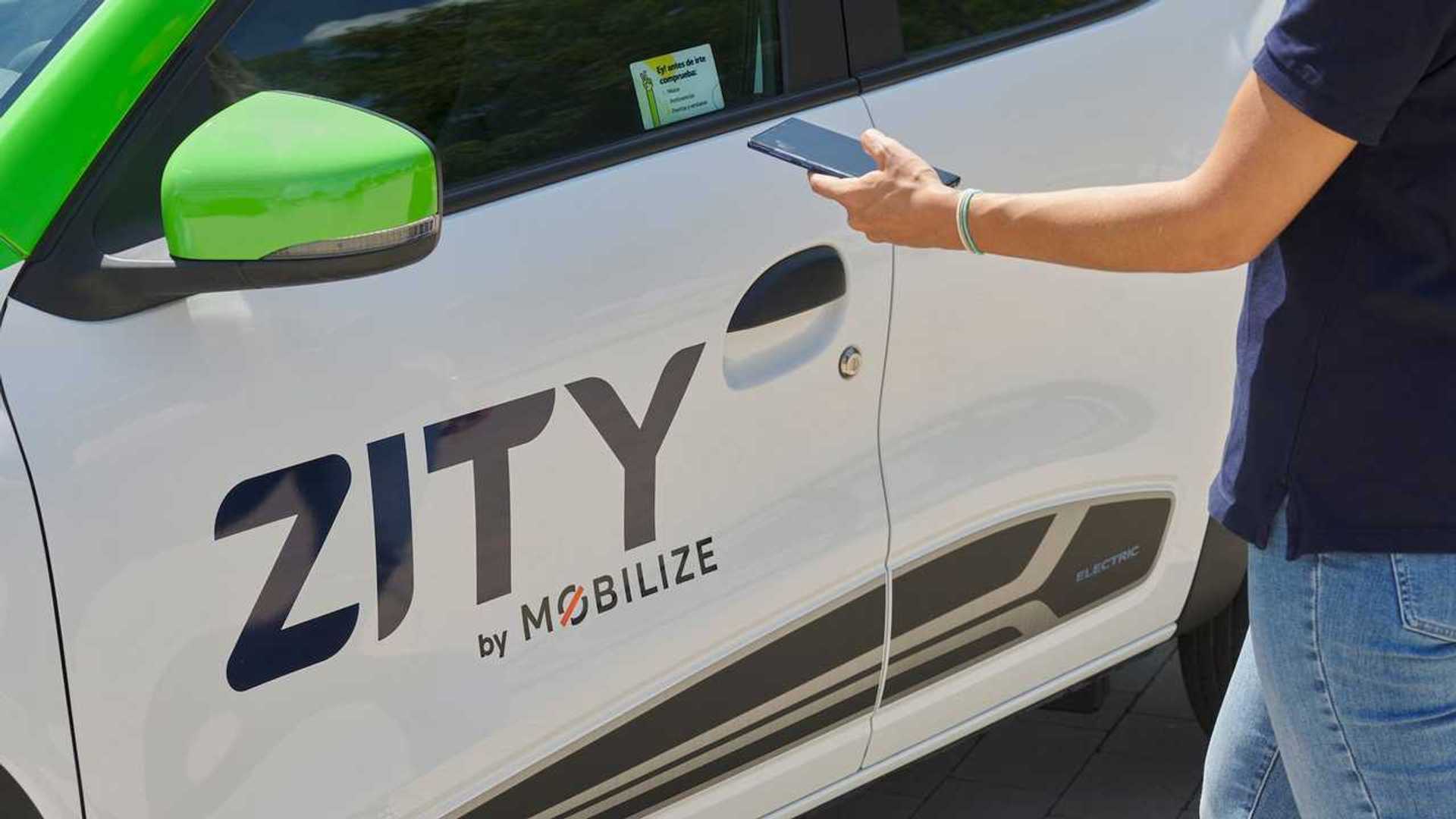
The Dacia Spring from Zity
This is not an isolated story. The entire sector is starting to slow down. Giants like Mercedes and BMW have already parted ways with FreeNow, while projects that once promised cities liberated from individual cars are now facing tight margins, costly infrastructures, and a clientele less inclined to pay for such unreliable services.
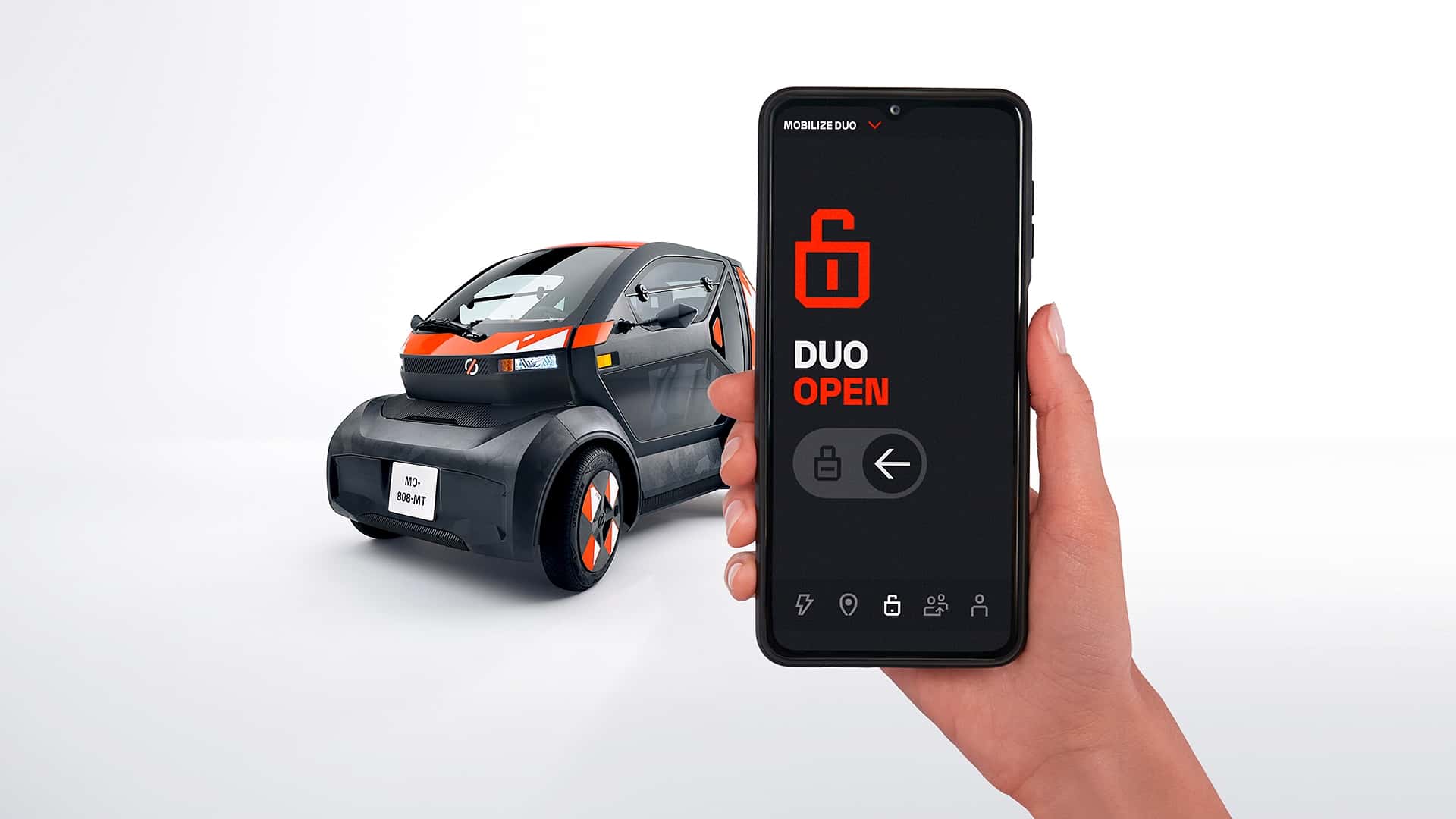
Mobilize Duo (2024)
Founded in 2021, Mobilize Beyond Automotive aimed to explore alternative solutions. Unfortunately, not all ideas have survived the market test. It is therefore not surprising that this entity has now fallen into oblivion. The Mobilize brand survives, but focuses solely on financial services. Everything else will be evaluated on a case-by-case basis in the coming months.
Charging and new horizons: towards simplification
While micro-mobility is in decline, electrification is gaining momentum. Renault has begun to integrate the charging solutions developed by Mobilize directly into its business activities. The goal? To unify access points, services, and software platforms to improve the user experience for electric drivers.

Renault Twingo E-Tech Electric (2026)
This new approach includes a set of energy services, including home and office charging, access to public networks, and above all, bidirectional charging (V2G), allowing for the optimization of energy costs through exchange with the grid. The first results are already here:
– the Charge Pass, with around 90,000 users, offers access to over a million charging points in Europe;
– the Mobilize Fast Charge network, which has more than 60 stations in France, aims for 100 sites by 2026;
– finally, Renault has been a pioneer in launching a V2G commercial offer for individuals in France.
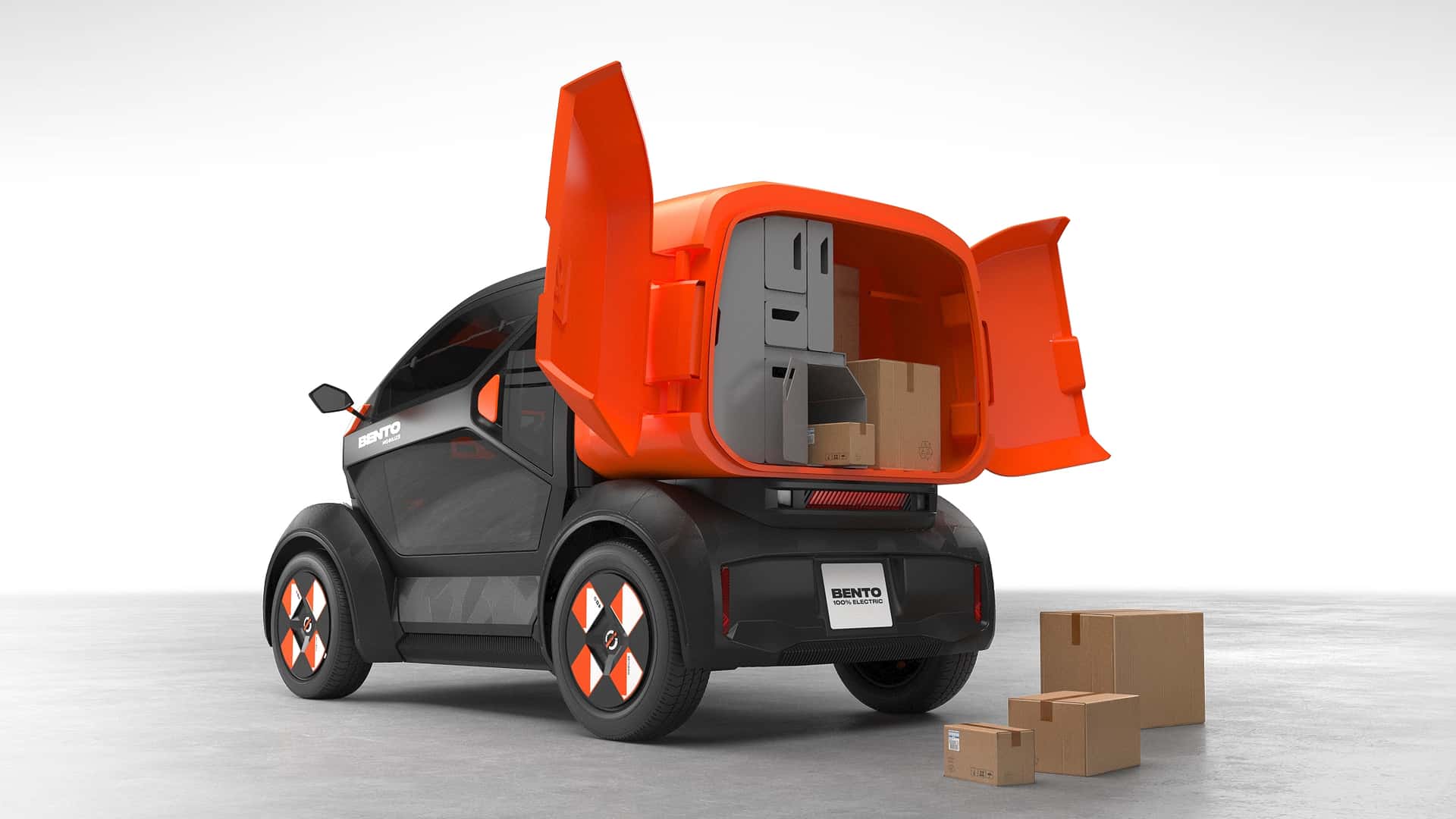
Mobilize Bento
However, not all ambitions are materializing. The charging network project is being scaled back: planned initiatives in Belgium and Spain are being abandoned, and the initial goal of 650 European stations by 2028 is now canceled. Caution is warranted in the face of sector challenges and a new capital allocation policy, leading to the elimination of about 80 positions.

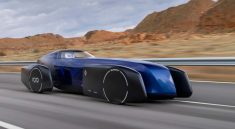
Photo | Mobilize Limo, first contact
From utopia to pragmatic reality
The enthusiasm surrounding the creation of Mobilize — with ambitious goals of reaching 20% of the Group’s revenue by 2030 — has collided with a much more complex reality. Projects such as the ride-hailing Limo never came to fruition, while the Hippo van found its place only in a marginal collaboration with Volvo Trucks.
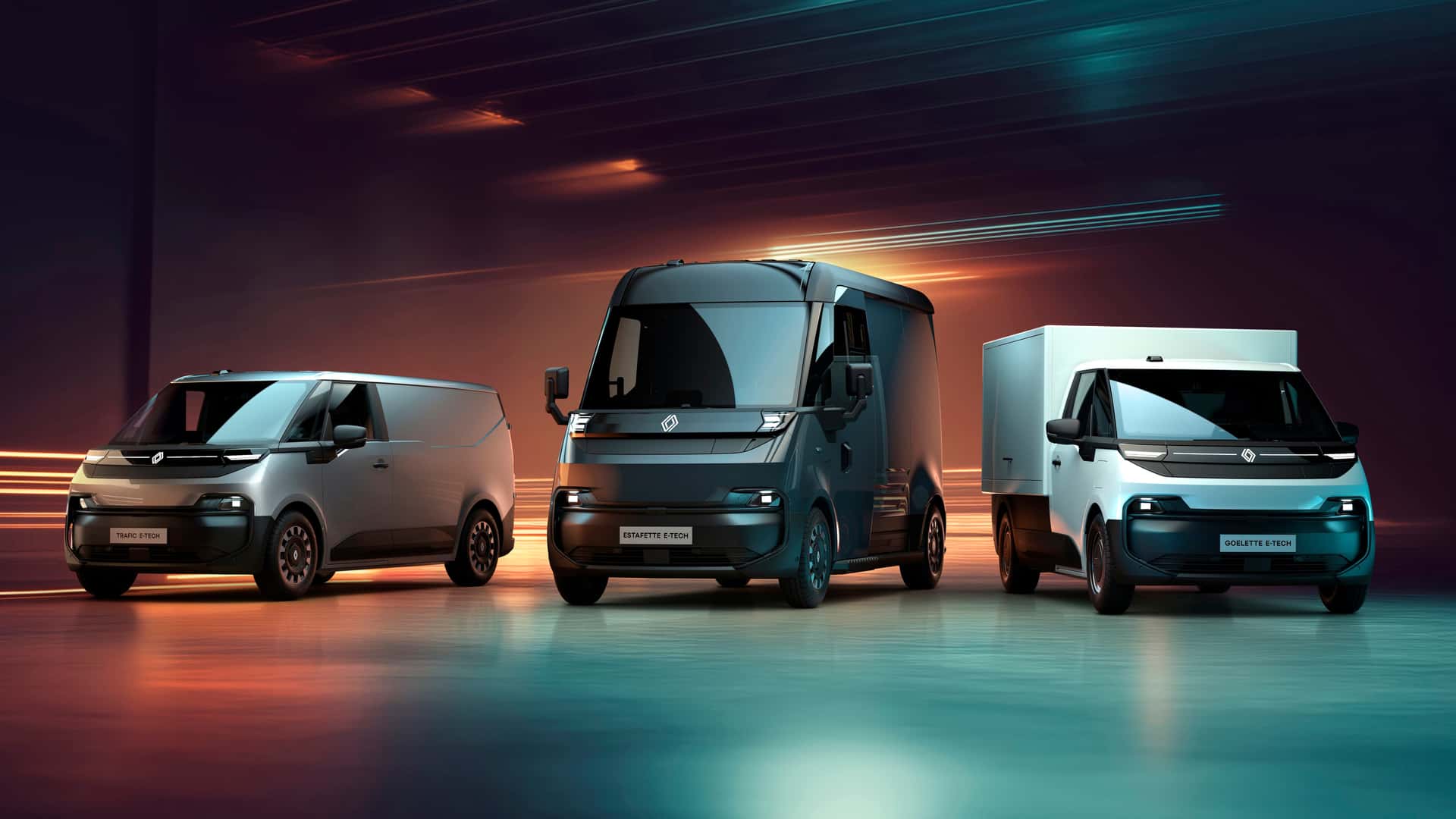
Renault Trafic E-Tech electric, Estafette E-Tech electric, Goelette E-Tech electric
Now, Renault is embarking on a more pragmatic phase: less dispersion, more integration, and a strategy focused on electrification, energy services, and digital solutions. The new strategic plan will be revealed in the first quarter of 2026 and will clearly define the role that “beyond automotive” mobility will play in the group’s future.