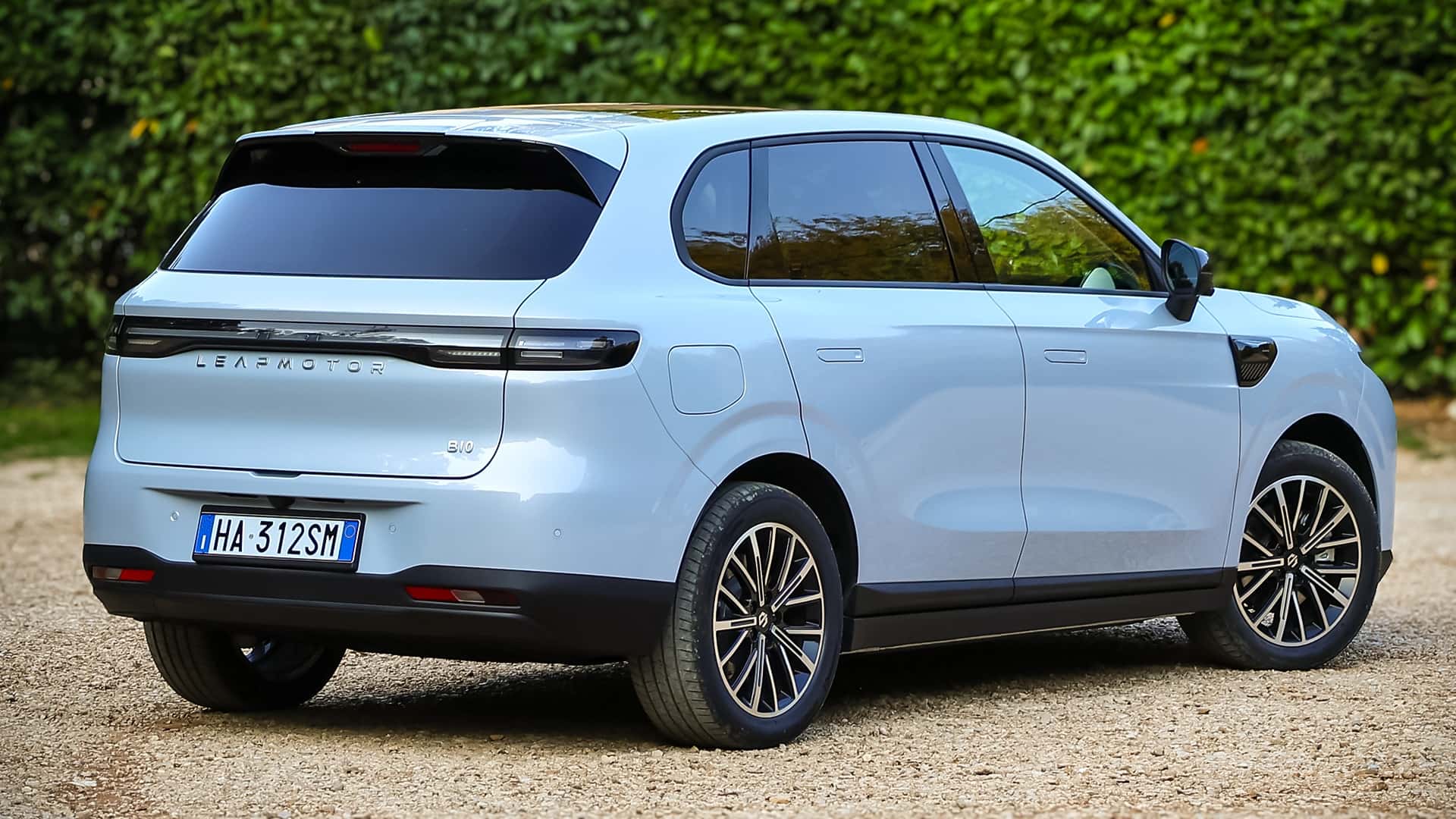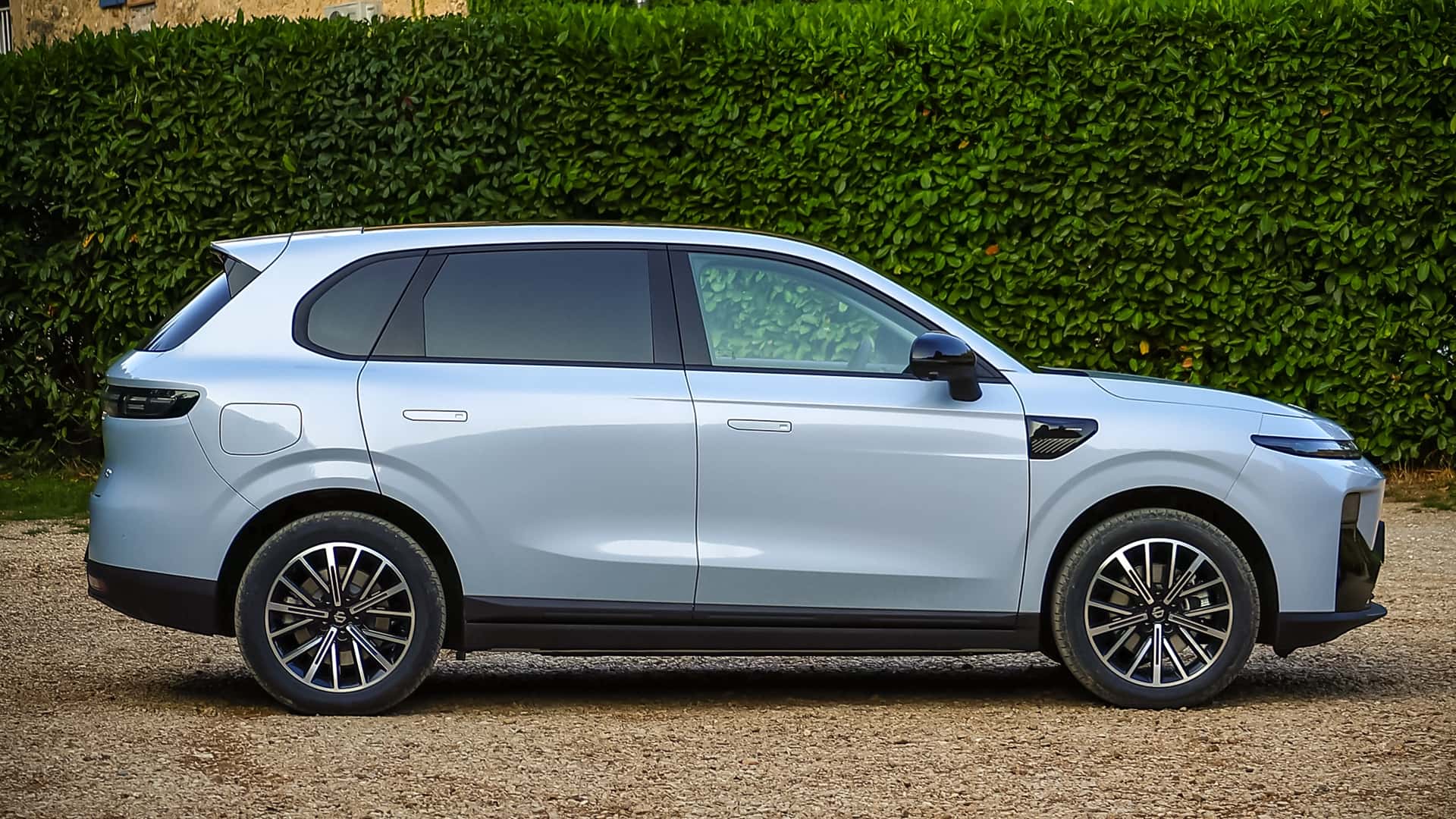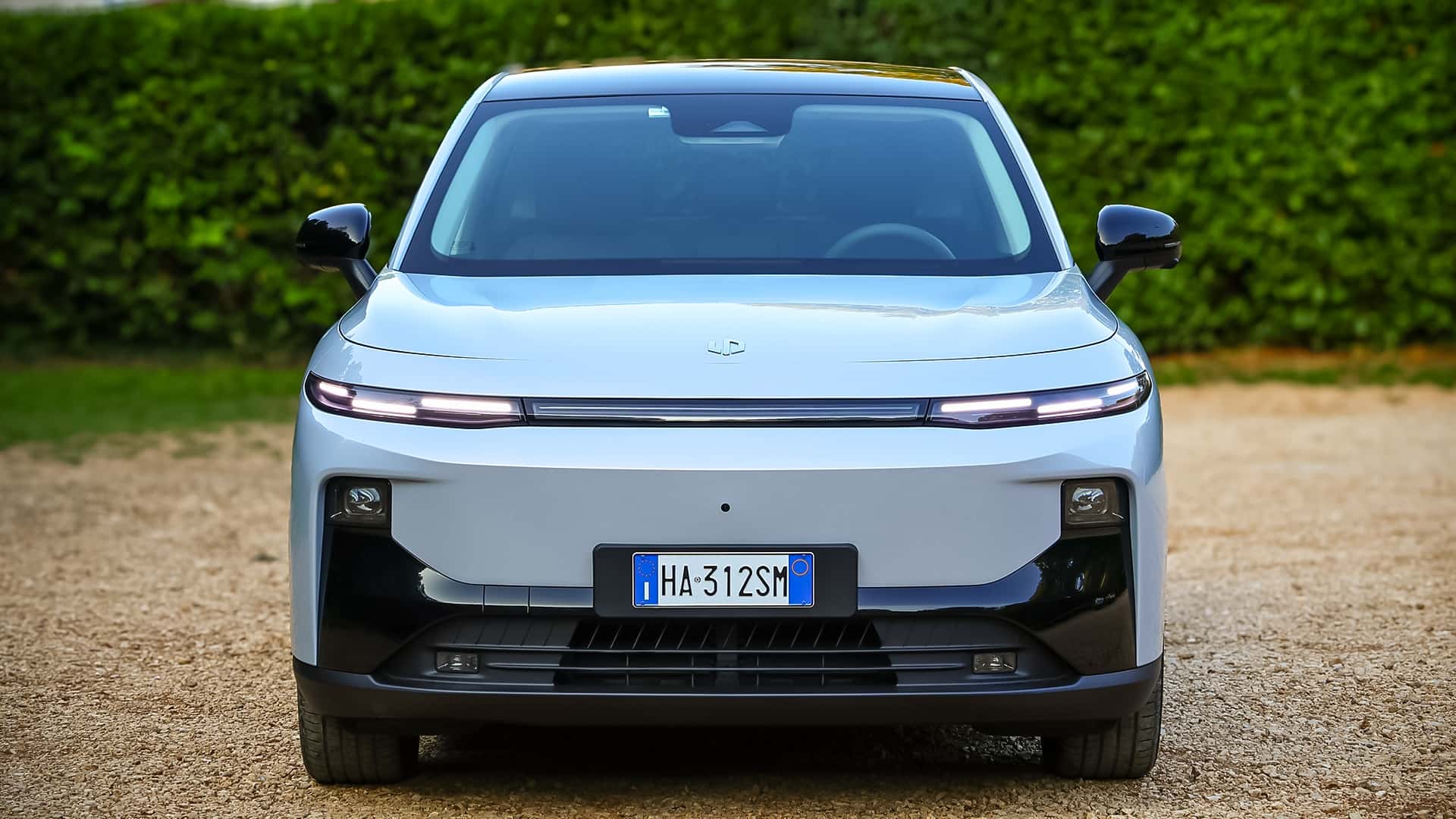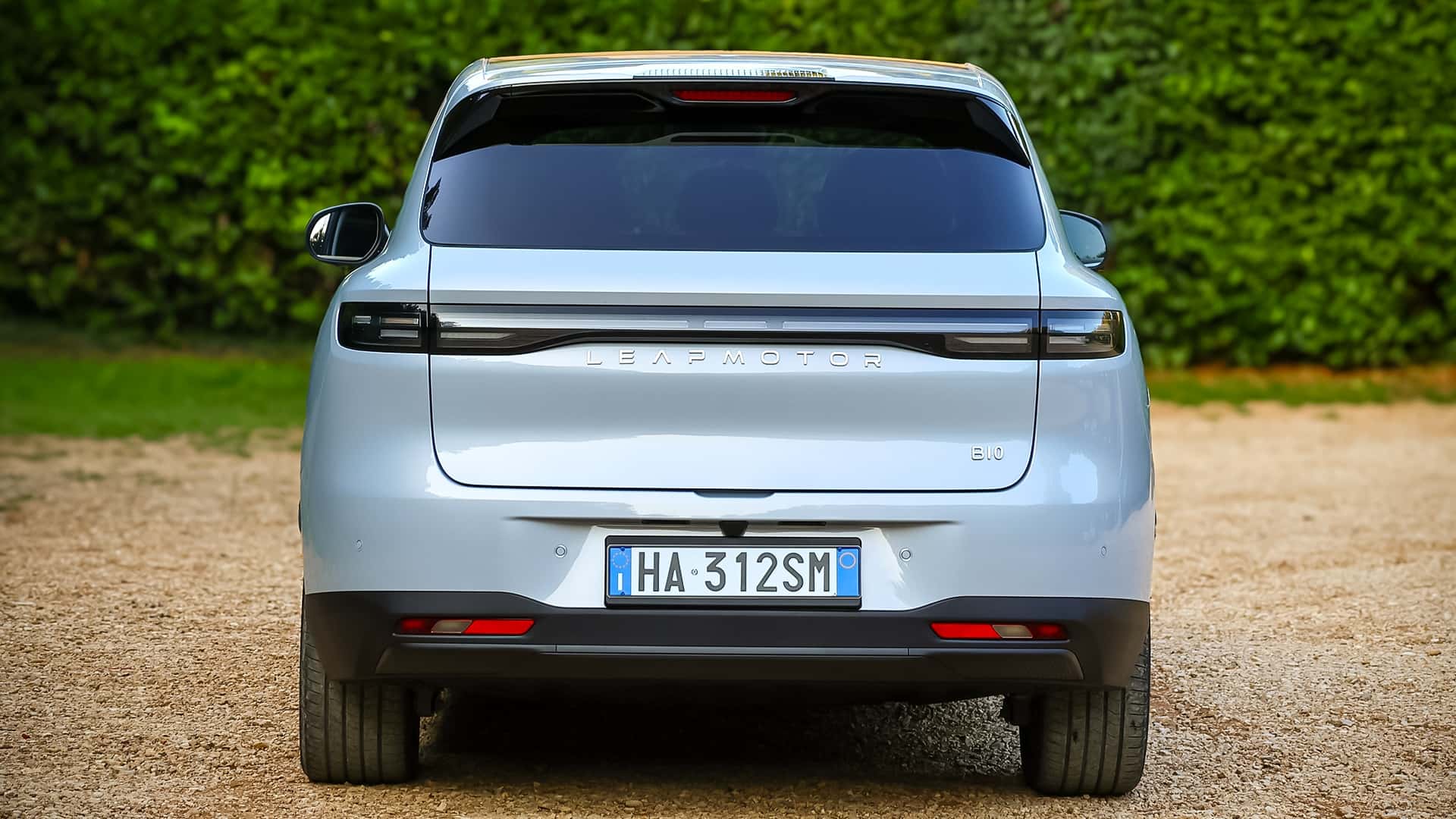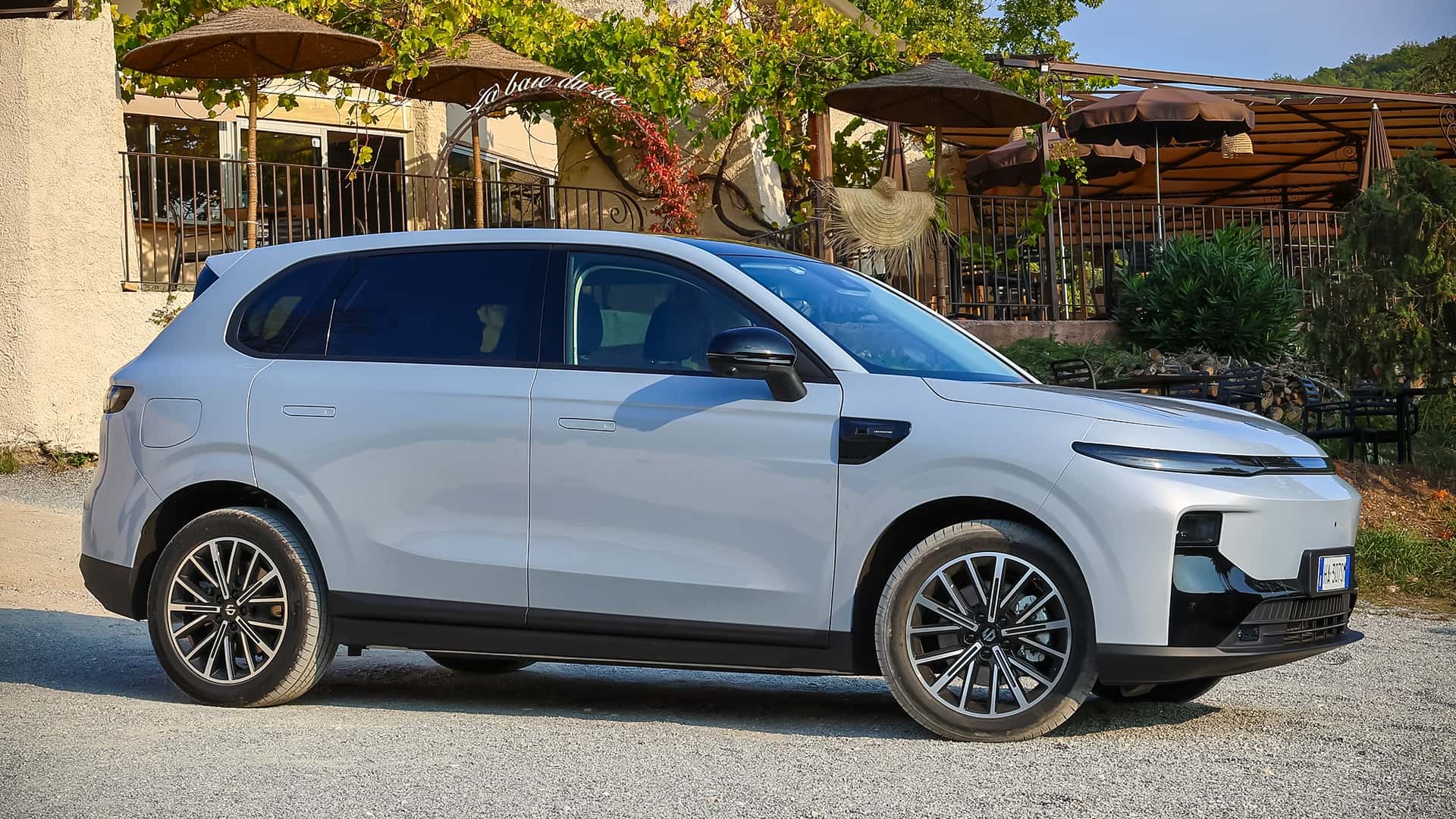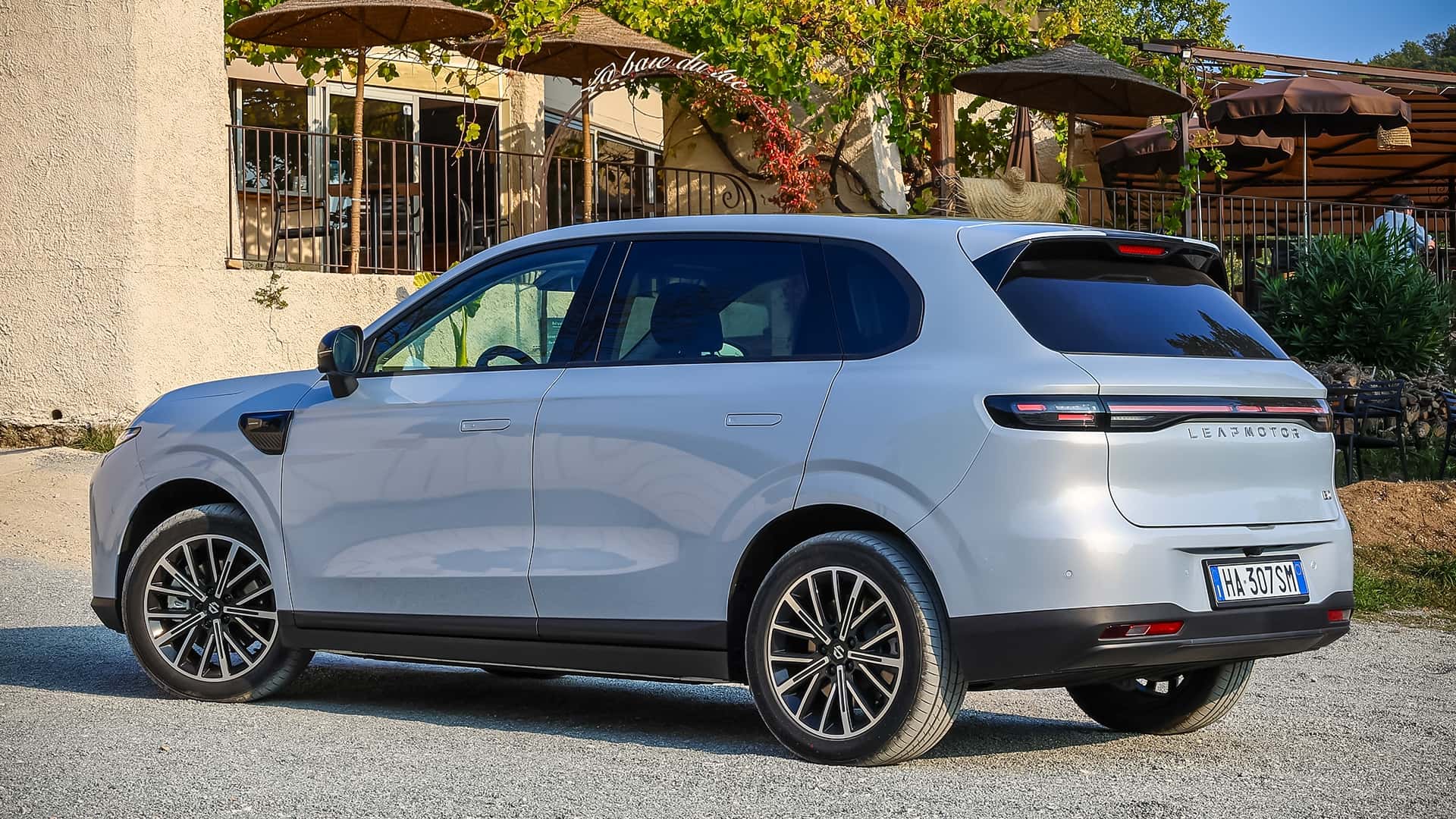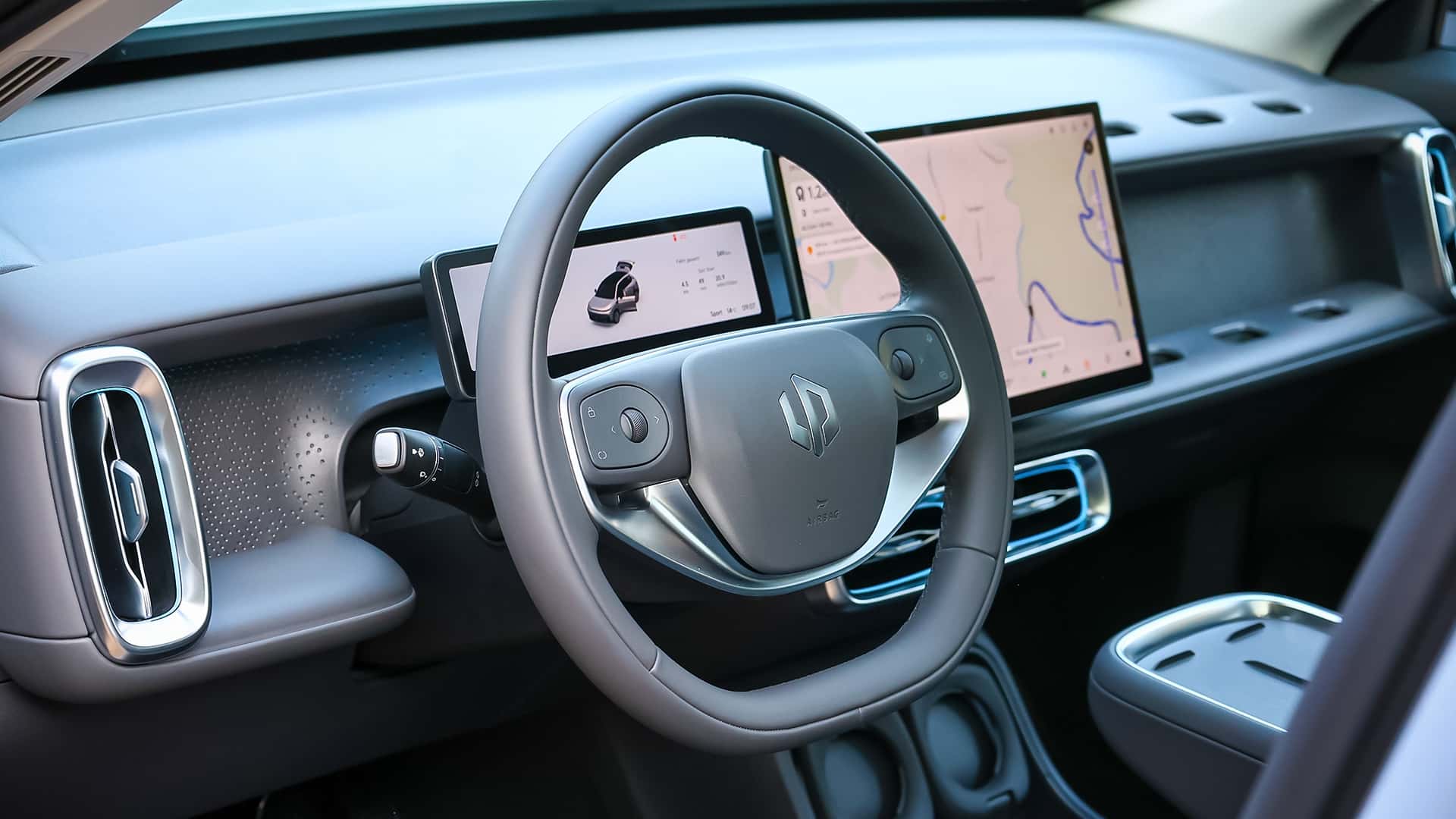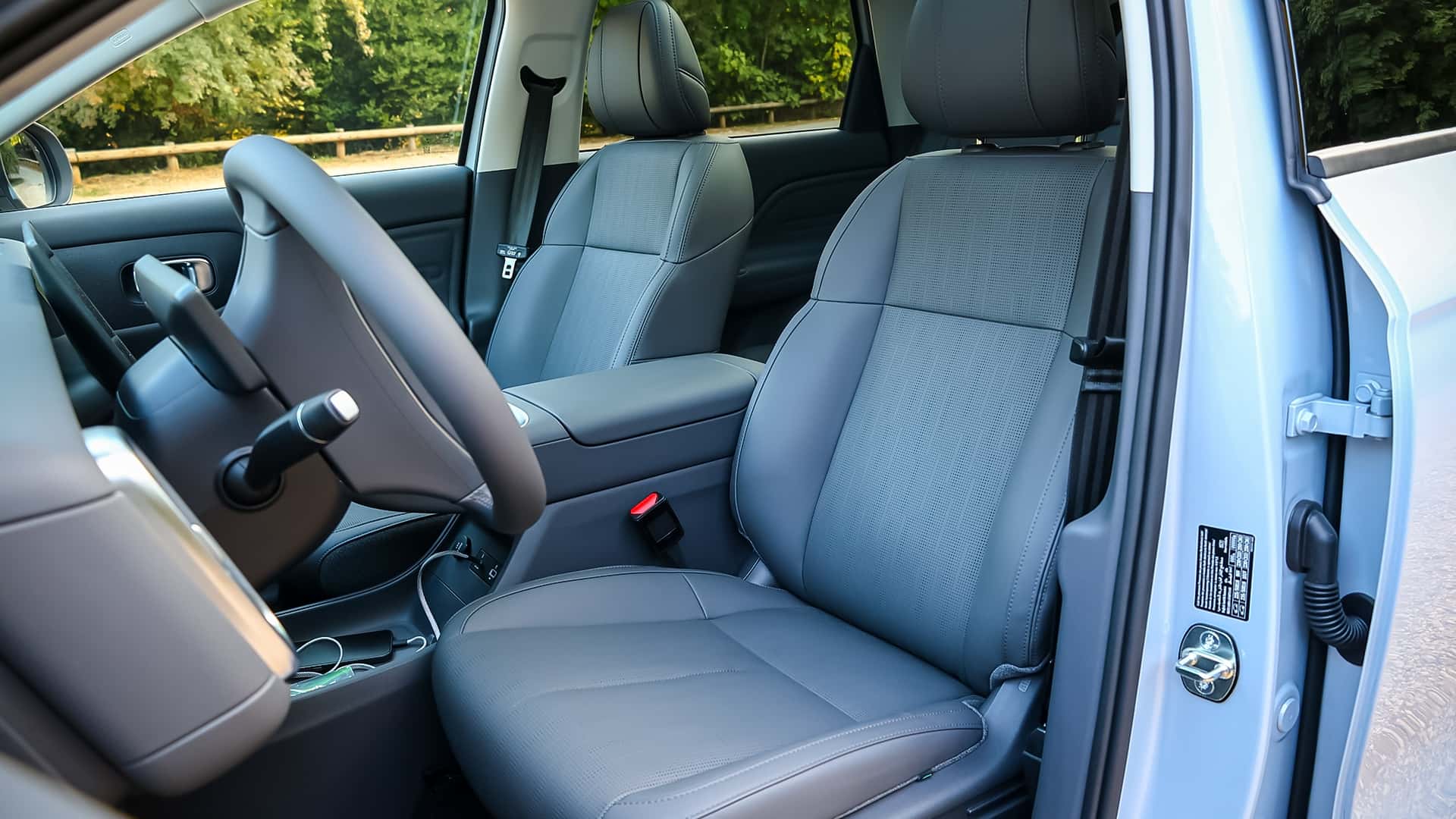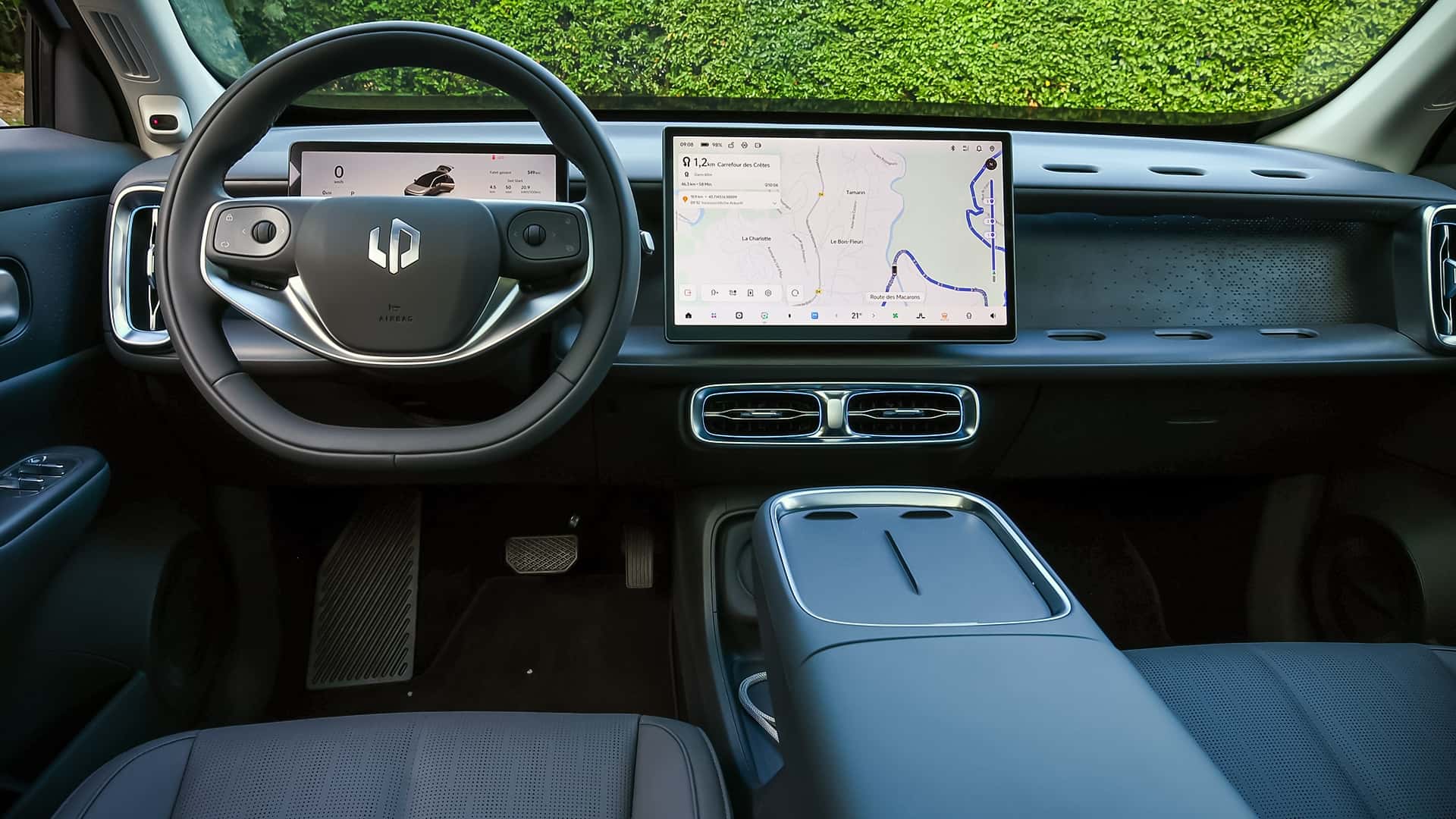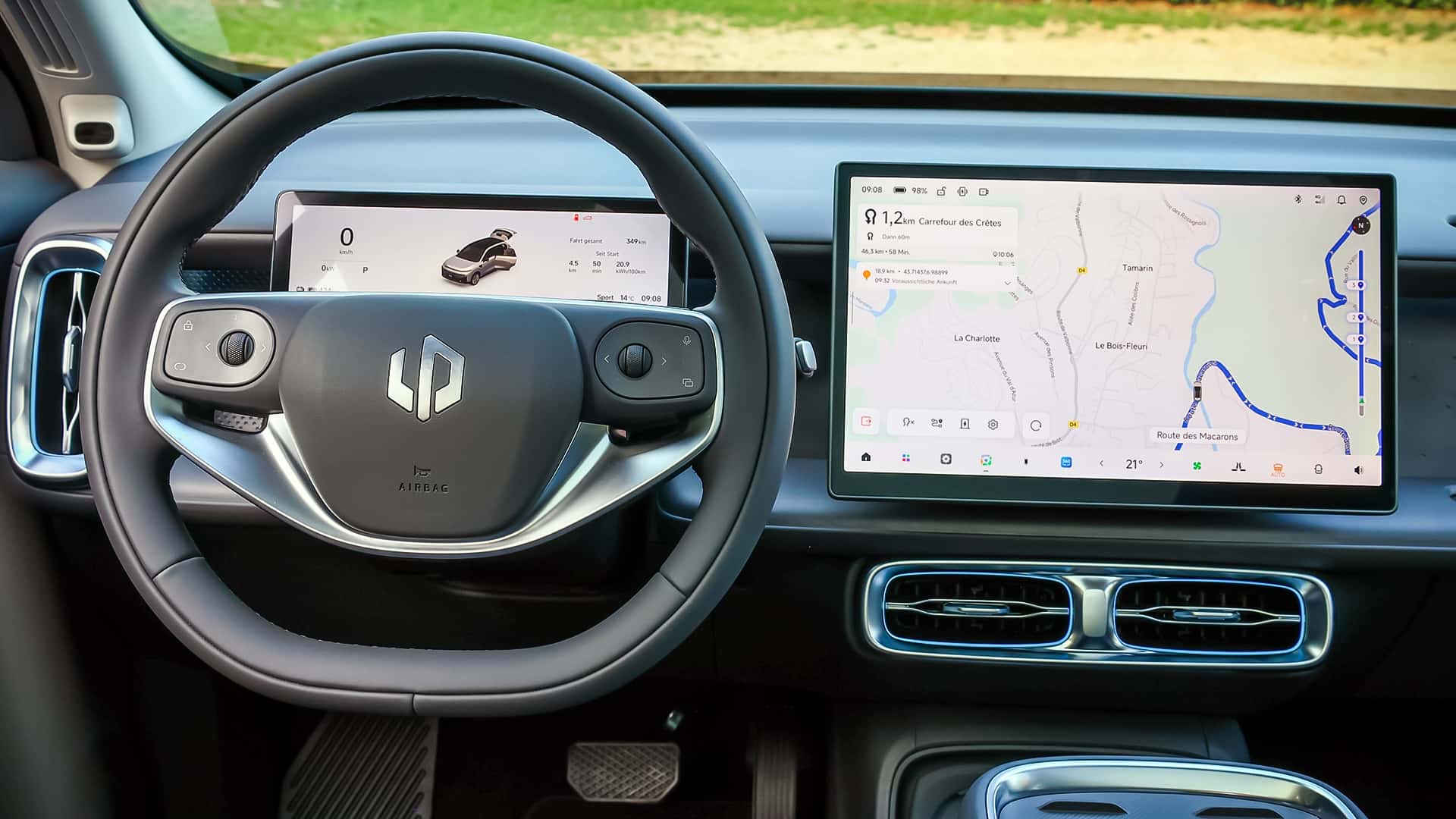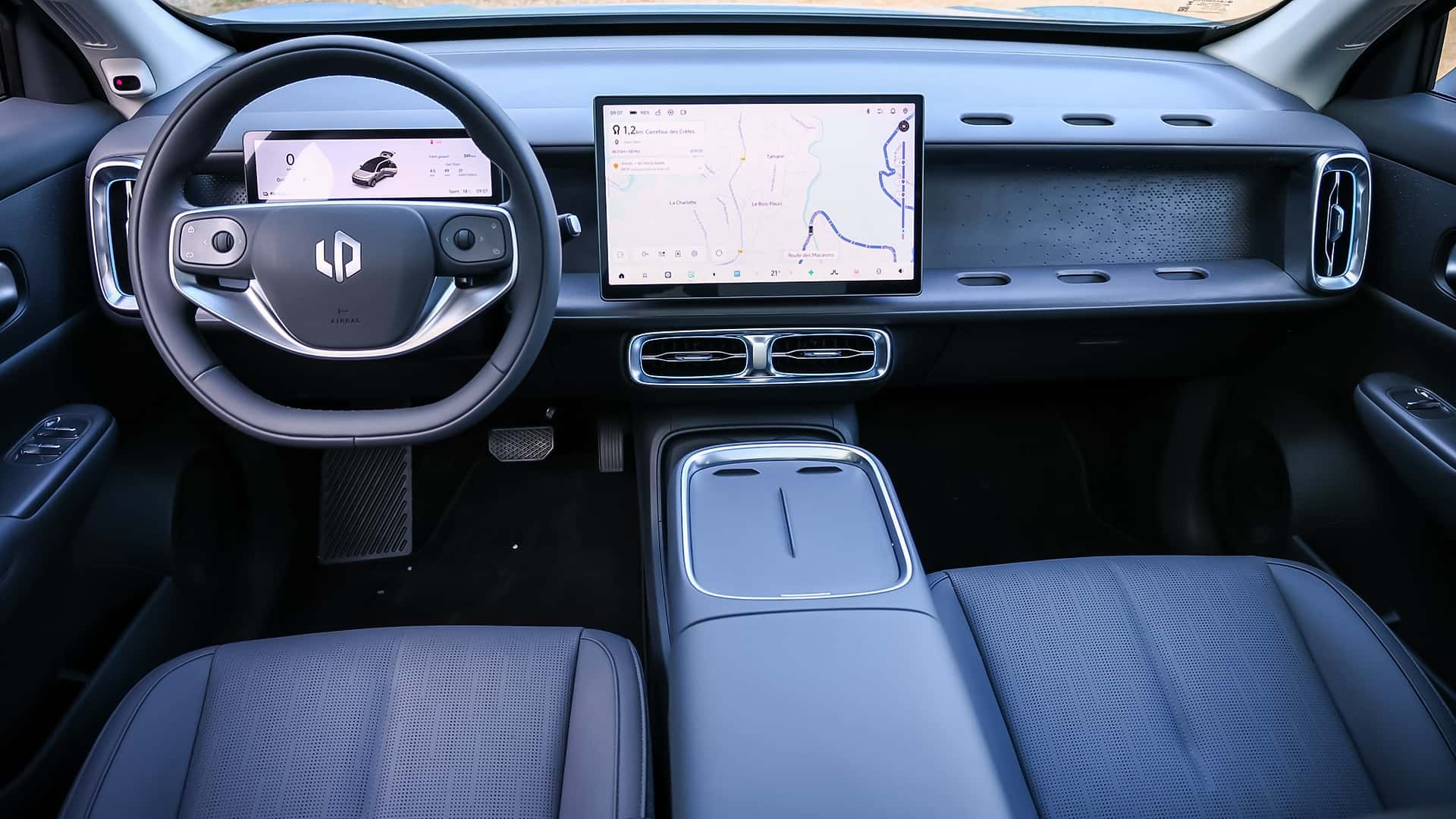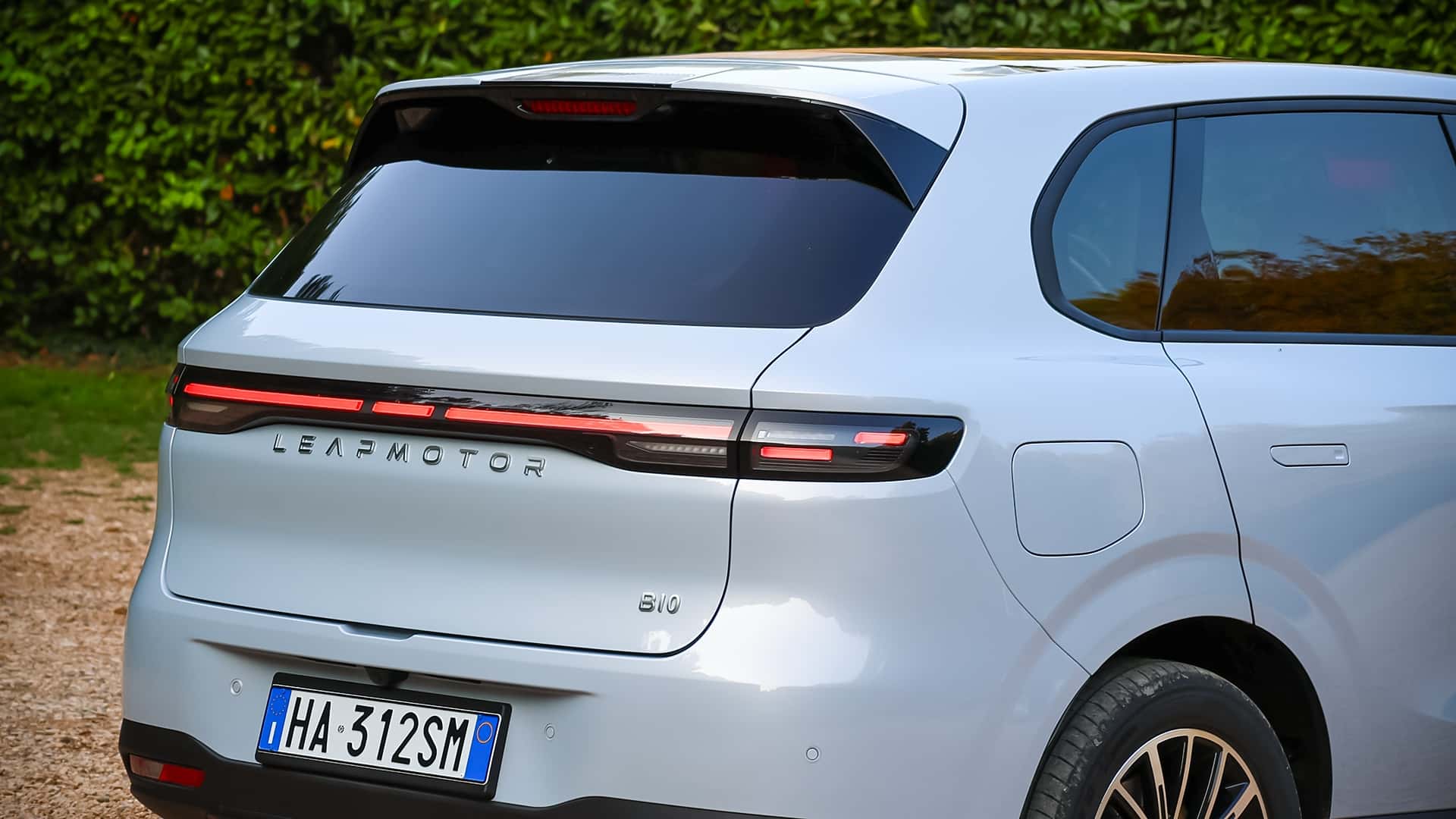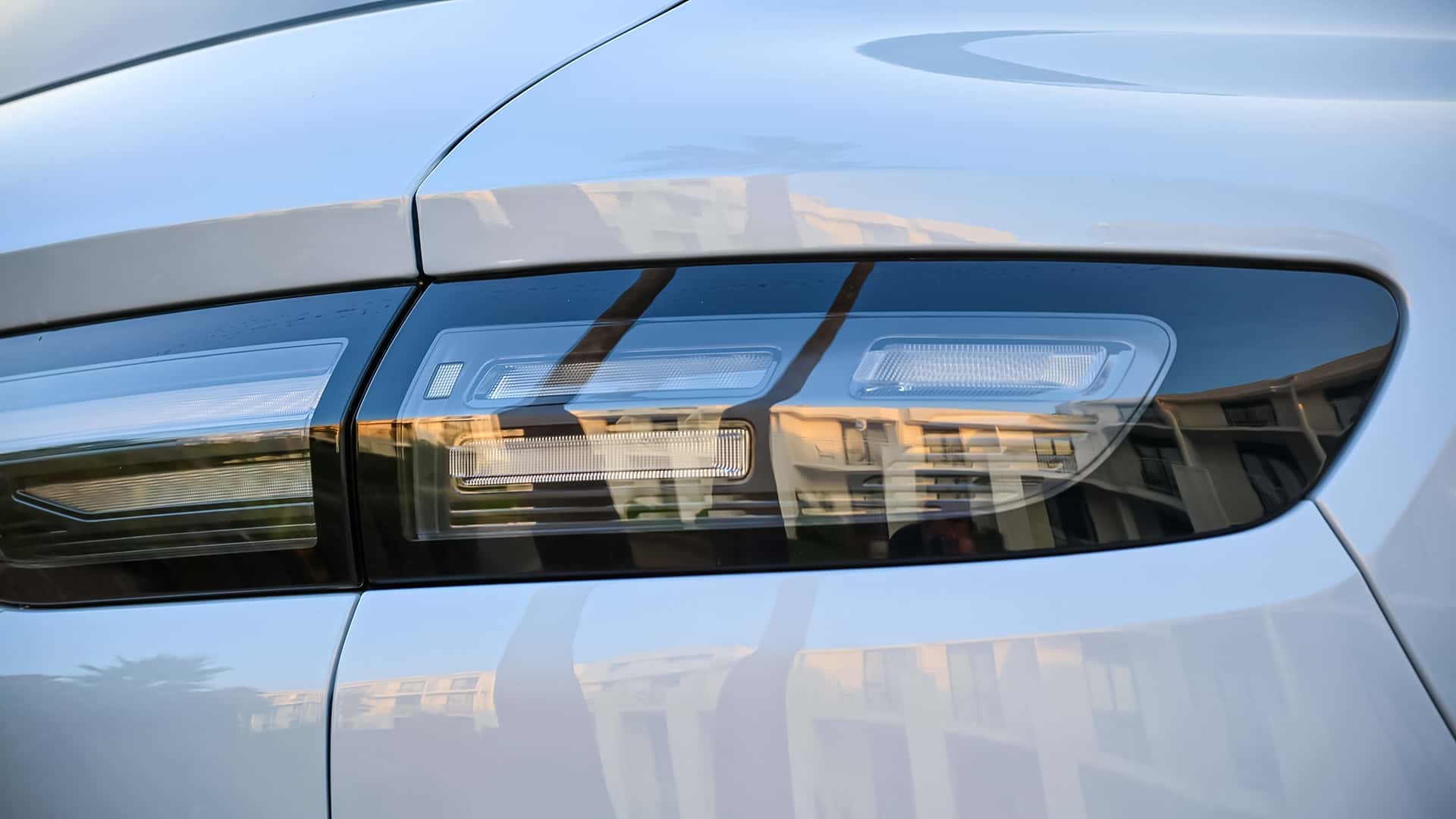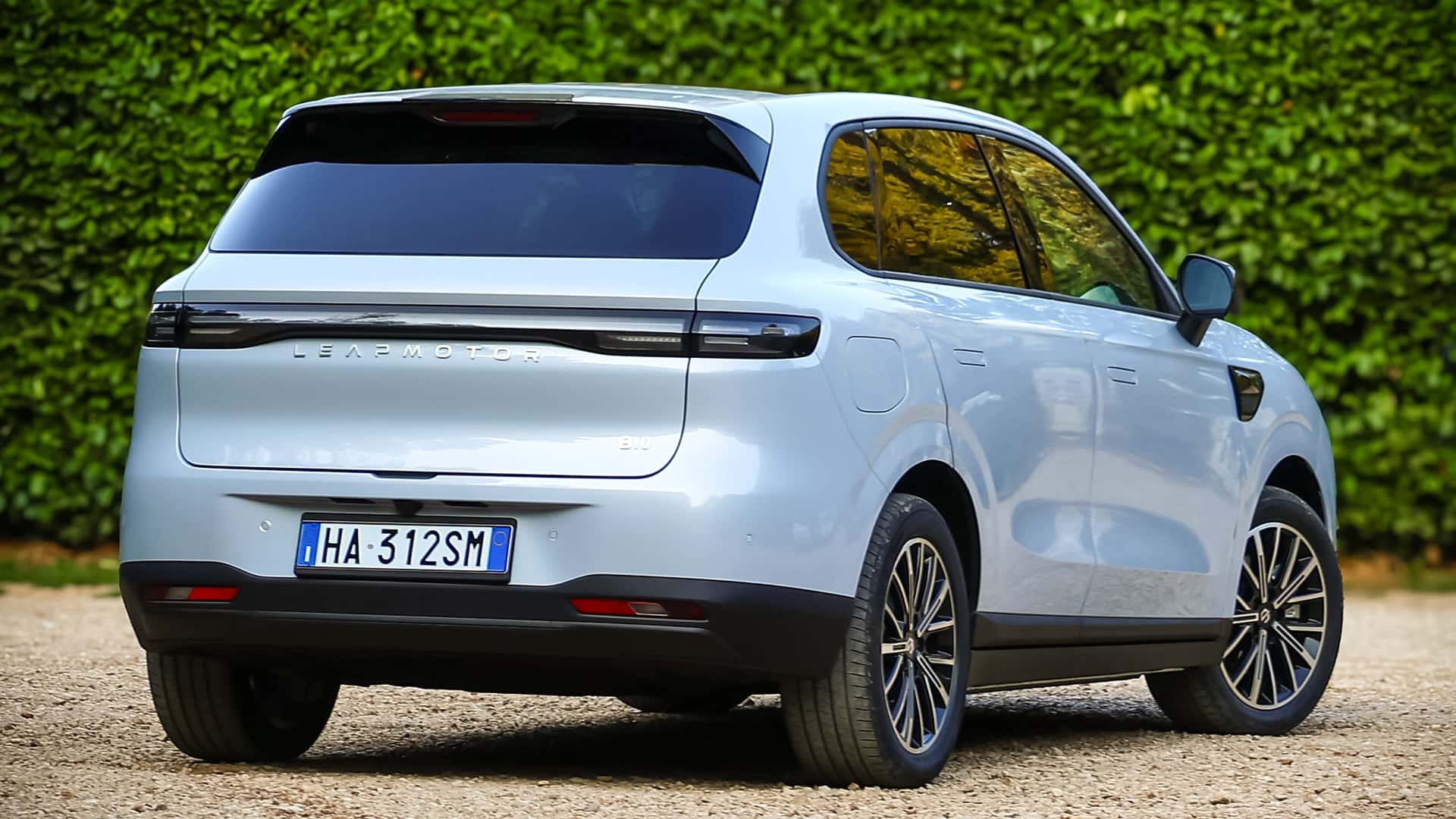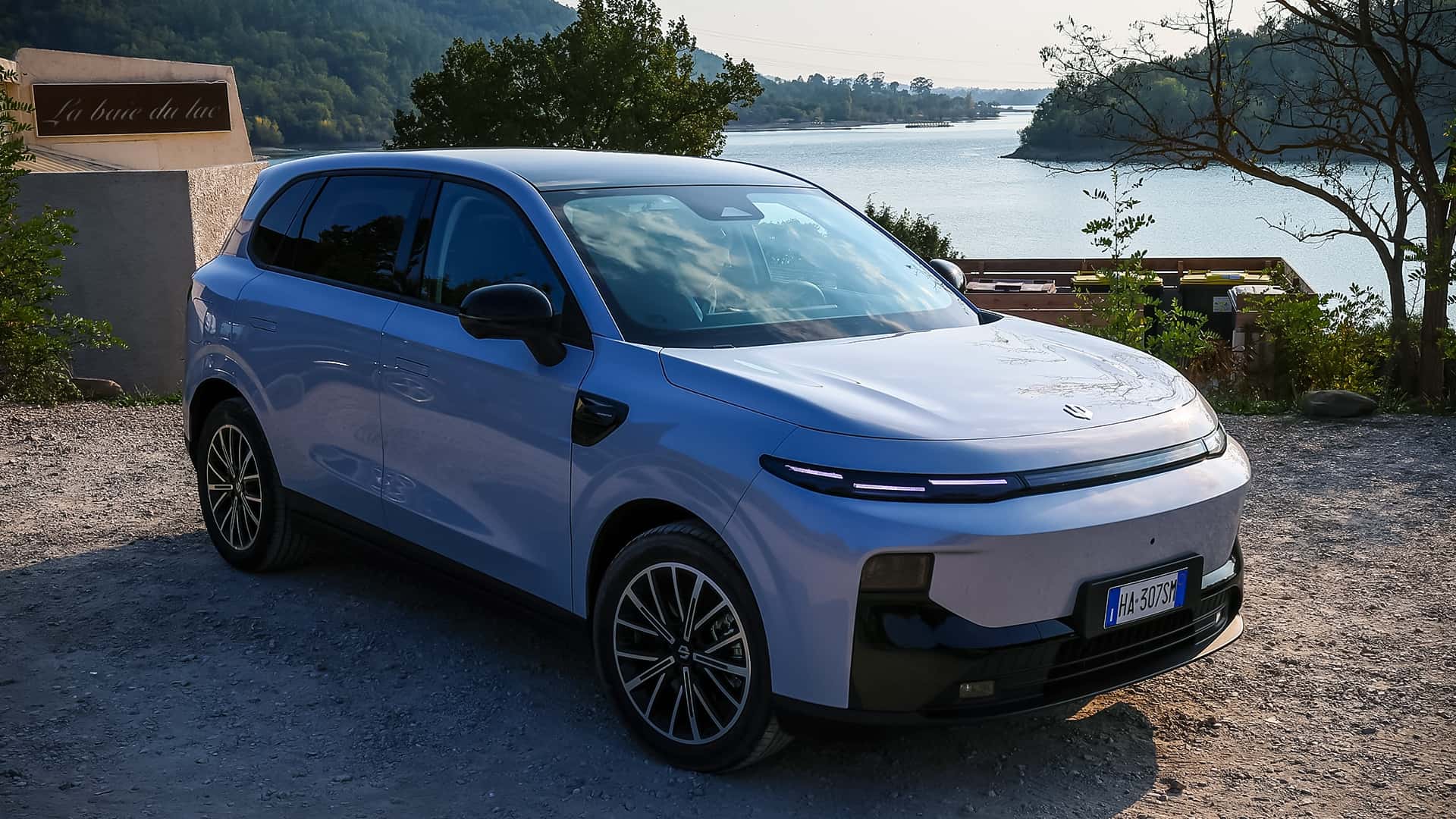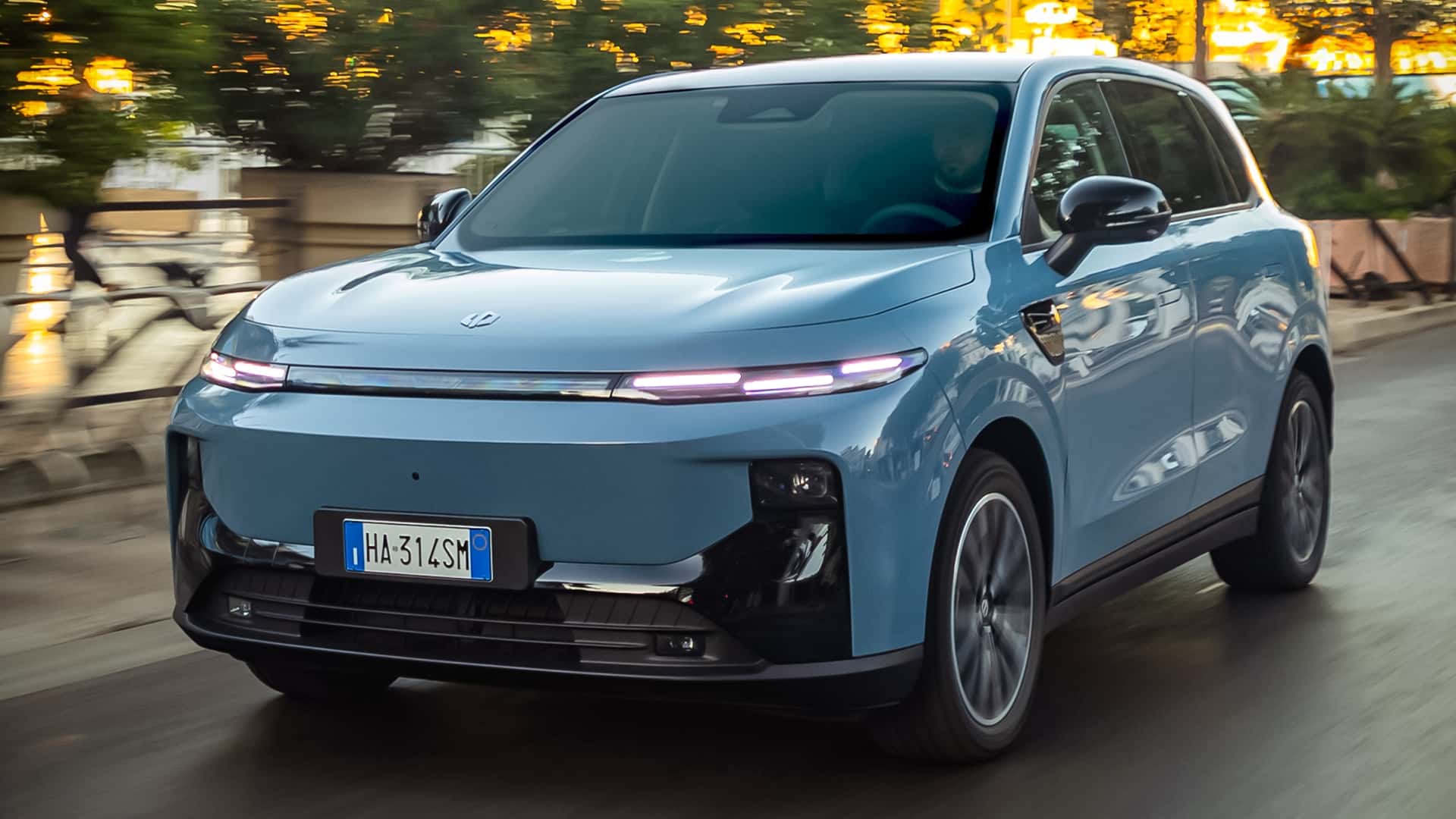
Stellantis, the automotive giant formed from the merger of PSA and FCA, is making a bold strategic shift by considering the integration of Leapmotor’s technologies into its future models. This move aims to cut development costs and strengthen its competitiveness in the increasingly fierce electric vehicle market.
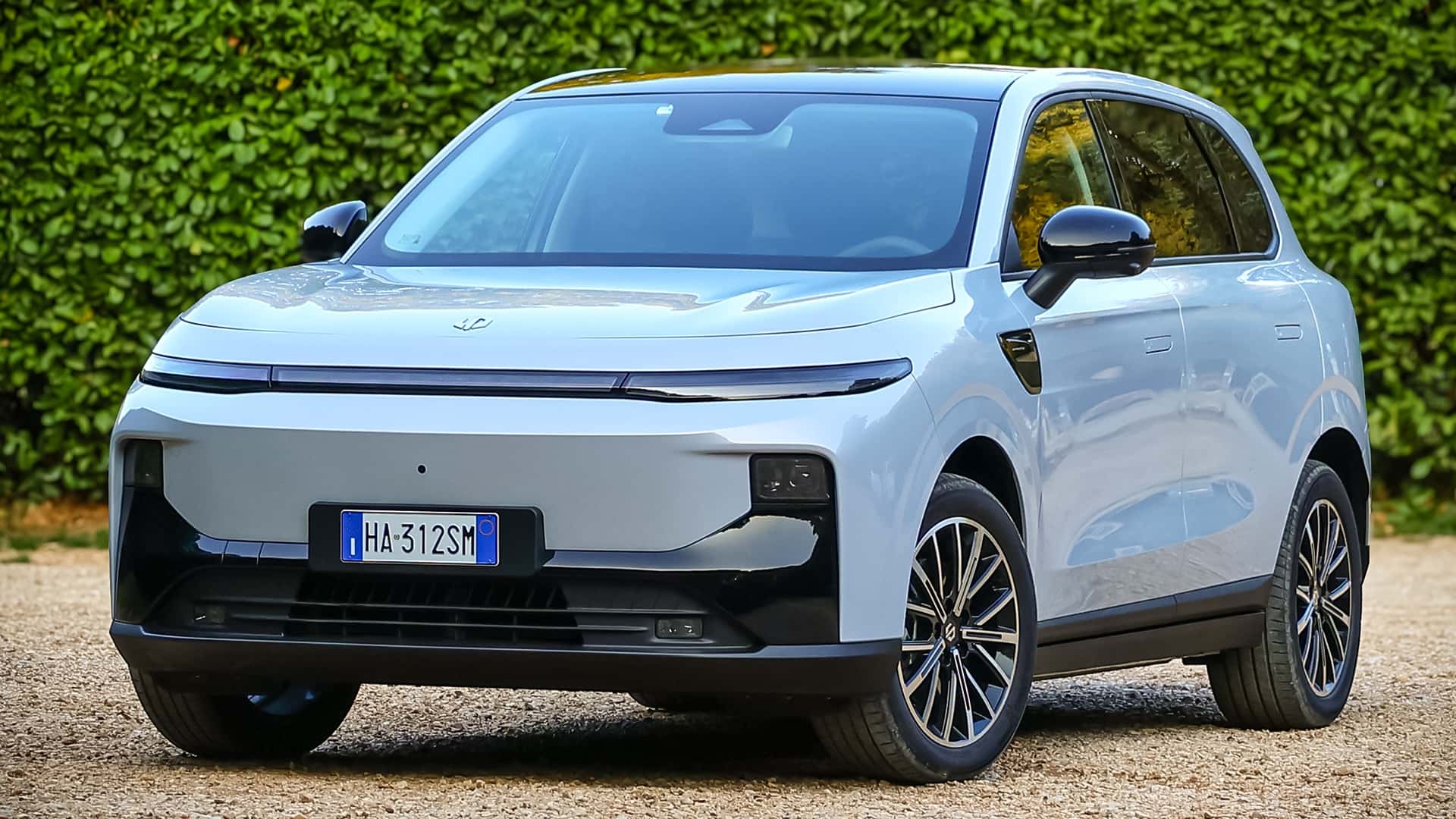
According to reports from Bloomberg, Stellantis is exploring the adoption of Leapmotor’s electric technology for its European brands, including Fiat, Opel, and Peugeot. With the group facing write-downs and exceptional charges exceeding €22 billion, collaboration with Leapmotor could be crucial for turning things around. For automotive enthusiasts, this alliance raises critical questions about the future of European models and their positioning in the global market.
A Strategic Partnership in the Works
The joint venture formed between Stellantis and Leapmotor, born from a €1.5 billion investment in 2023, allows Stellantis to benefit from exclusive rights to export and sell Leapmotor products outside of China. This partnership could give rise to a new generation of Fiat, Opel, and Peugeot models based on Chinese platforms. This choice is not trivial. In a rapidly changing automotive sector, the ability to innovate while controlling costs is essential.
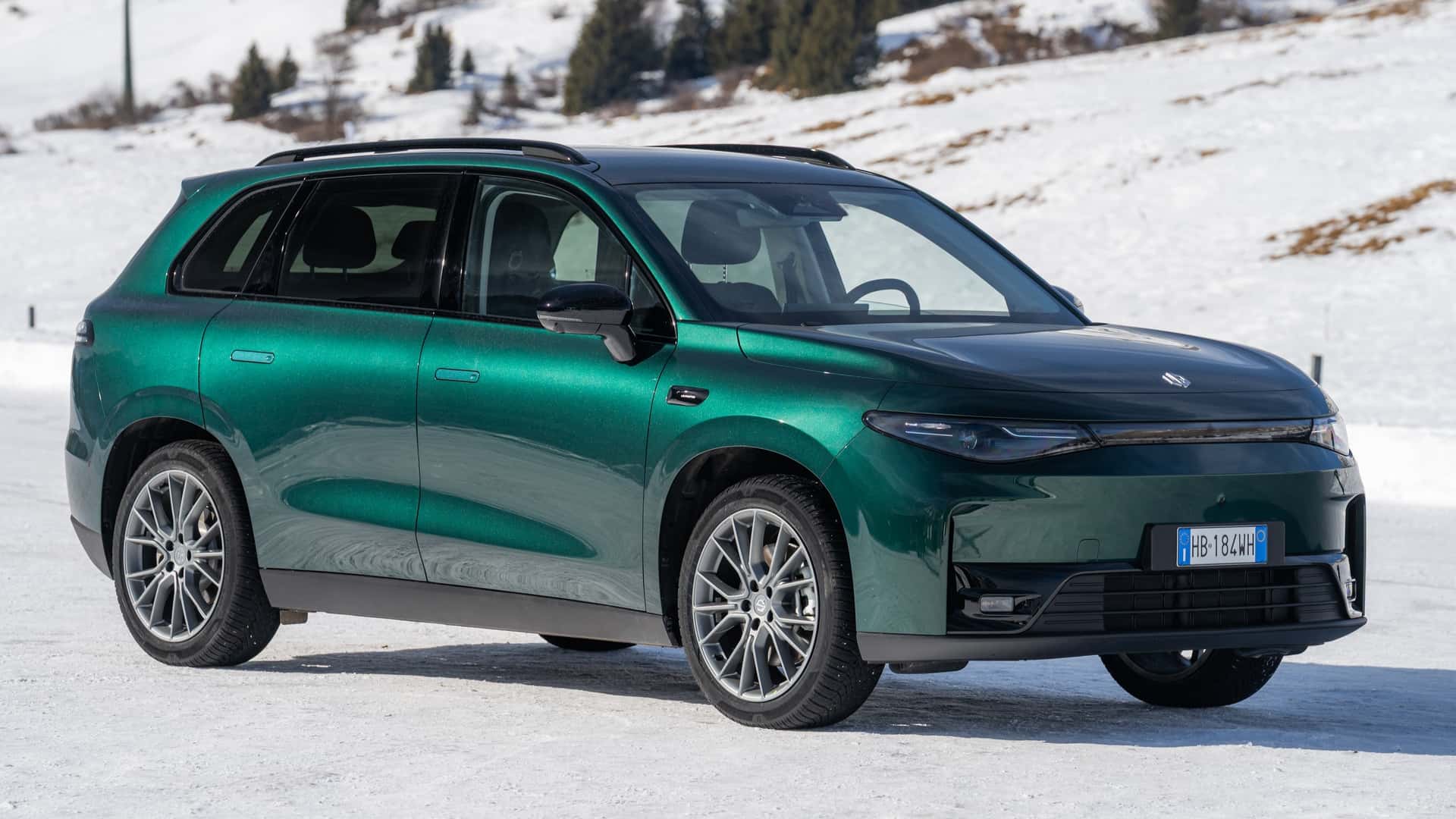
Antonio Filosa, CEO of Stellantis, recently mentioned a cooperation that could include technology sharing with Leapmotor. In essence, this alliance could save the group time and money in a market where every day counts. However, this strategy raises questions about the viability of the STLA Small and Smart Car platforms, which must already prove themselves with new generations of models like the Peugeot 208 and the Fiat Grande Panda.
Accelerating the Transition to Electric
Adopting Leapmotor platforms could offer Stellantis the opportunity to achieve significant savings in research and development. As development timelines become crucial, this strategy could enable the rapid rollout of electric or extended-range models. Additionally, the possibility of producing vehicles derived from Leapmotor models in Europe would enhance synergy between the two groups.
Simultaneously, this collaboration could lead to a significant reduction in production costs, allowing Stellantis to offer more competitive pricing in the market. This is a major issue as competitive pressure continues to rise, especially against Chinese players who already dominate the electric segment. However, it remains to be seen how this strategy will align with models already in the launch phase.

The new Peugeot 208 will be the first car to use Stellantis’ STLA Small platform.

The Fiat Grande Panda is based on the Smart Car platform.
Complex Market Challenges in the U.S.
While Stellantis seems to be focusing on the European market, a potential agreement with Leapmotor could complicate matters in the United States. Starting in 2027, the American market will close to connected vehicles incorporating technologies of Chinese origin. This could pose a dilemma for Stellantis if integrating Leapmotor becomes a priority.
It is clear that the current leadership, under Filosa, is looking to erase some strategies imposed by former CEO Carlos Tavares. We are already seeing a return to V8 and diesel engines in the U.S., while some hybrid models are being canceled. Could this strategic flexibility backfire in the American market? The coming months will be critical.
A Response to Market Challenges
In the face of a challenging economic environment and increased competition, Stellantis’ approach appears to be a well-thought-out defensive maneuver. Integrating Leapmotor technologies could not only help reduce costs but also modernize the product offering. By leveraging Chinese innovations, Stellantis could expand its ranges while remaining competitively priced.
That said, the lack of precise information on which platforms will actually be adopted leaves some uncertainty. What about the STLA Medium models that currently cover significant segments? Strategic choices will need to be clear and swift to avoid a mismatch between supply and demand.
In Summary
- Stellantis is considering integrating Leapmotor technologies for its future models.
- This alliance aims to reduce costs and accelerate the transition to electric.
- The partnership raises questions about the future of the STLA and Smart Car platforms.
- Regulatory challenges in the American market could complicate this strategy.
- The current leadership seeks to adapt quickly to market changes.
In conclusion, this bold strategy could prove beneficial for Stellantis in the near future. For European consumers, this could mean quicker access to competitive electric models. However, the complexity of the American market and upcoming strategic choices will be crucial in determining whether this maneuver will be a masterstroke or just an attempt to catch up.