The saga of Tesla’s 4680 cells takes an unexpected turn. While the company is betting on these revolutionary batteries to electrify its Cybertruck, the reality of the market hits hard: it seems these cells are no longer of much use. What will become of this promising technology?
A tough blow for Tesla
Tesla is facing a major problem: its South Korean partner L&F has decided to reduce its battery materials supply contract by more than 99%. This decision, both brutal and revealing, clearly indicates that the production of the famous 4680 cylindrical cells is no longer necessary. Presented as a decisive advancement for electric mobility, these batteries are now only used for the Cybertruck, which is struggling to gain traction in sales.
To put things into perspective, some analysts estimate that Cybertruck orders are 90% lower than initial forecasts. With revenue evaporating like a mirage, the conclusion is clear: few pickups on the road mean few batteries required. The promising journey of the 4680 cells seems to be running out of steam.
The Cybertruck flop
Let’s rewind the clock. At the beginning of 2023, L&F announced a contract with Tesla for high-nickel cathode materials, valued at 2.46 billion euros. Today, this contract is worth only a few crumbs: 6,276 euros, to be precise. Yes, you read that right; it’s barely the price of a good old used sedan.

Tesla Cybertruck
The responsibility for this debacle largely falls on the Cybertruck. Tesla has made considerable efforts to establish production lines capable of supporting an estimated annual demand of between 200,000 and 250,000 units. Yet, according to market figures, Elon Musk’s famous electric pickup has not surpassed 20,000 orders. The most optimistic forecasts anticipate 25,000 units sold by the end of 2025. A true fiasco, especially when remembering the millions of pre-orders announced after its unveiling.
Why are these cells limited to the Cybertruck?
One can’t help but wonder: why is Tesla, which has invested so much in these 4680 cells, not using them in other models? The answer is simple: their production remains complex and costly. Integrating them into successful vehicles like the Model 3 and Model Y, even in certain versions, would be economically unwise, as it would lead to a price increase.
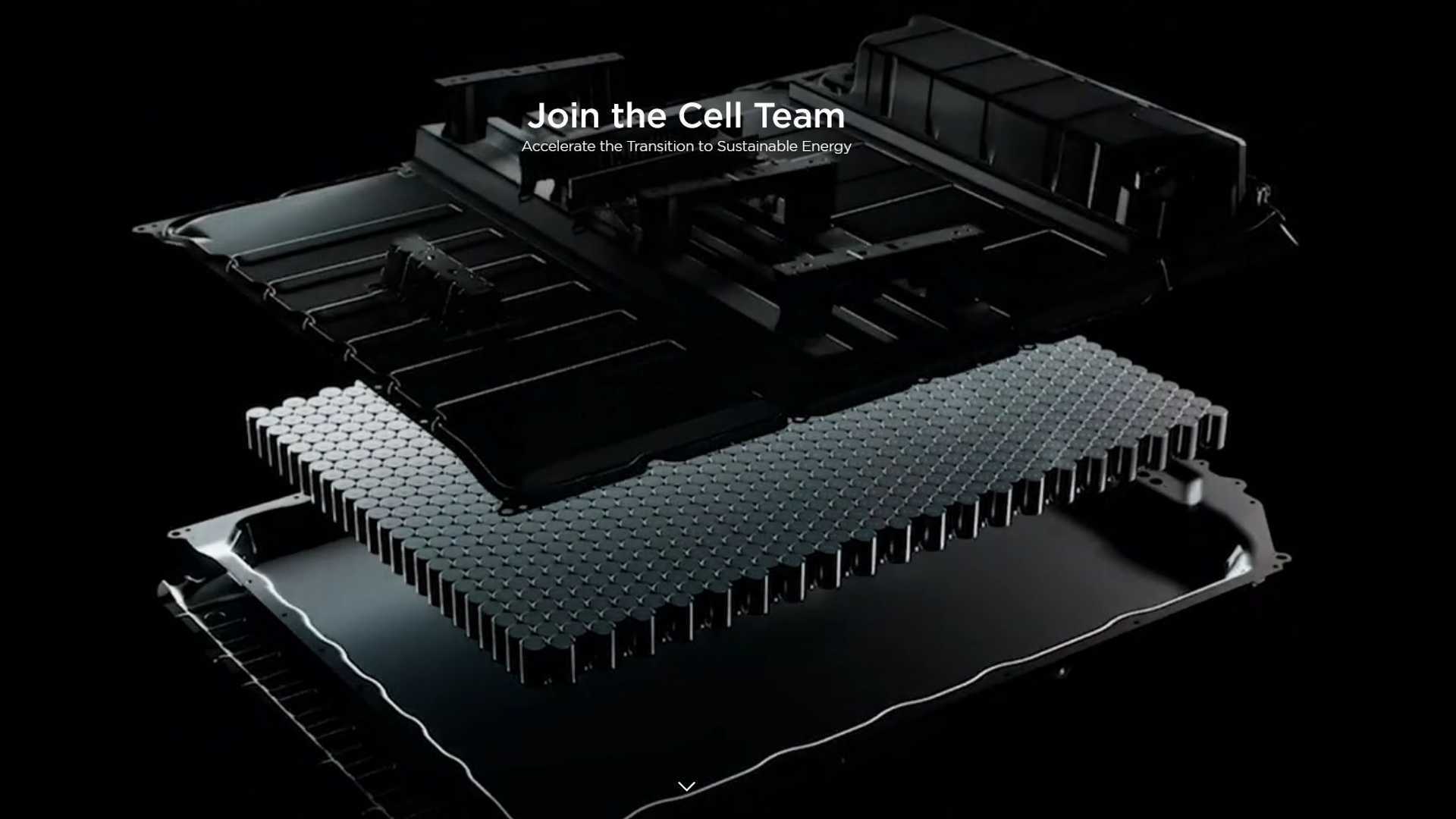
The battery pack of a Cybertruck
This situation also stems from Tesla’s ongoing efforts to refine its dry cathode battery production methods. Although progress has been made in recent years, the efficiency of the 4680 batteries remains insufficient to compete with traditional cylindrical cells. Worse still, they struggle to measure up against the LFP batteries used in the high-end versions of the Model 3 and Model Y.


The ambitions expressed by Elon Musk during the launch of the 4680 cells in 2019 now seem overly optimistic. He promised vehicles with an increased range of over 50%, a cost reduction of 56%, and electric cars starting at 25,000 euros. So far, none of this has materialized.
It is therefore difficult to know what future awaits these cells and, by extension, Tesla itself. The promises to revolutionize the electric world seem to be fading into the wind. Between inflated ambitions and market realities, it is a time for reflection for the American manufacturer.