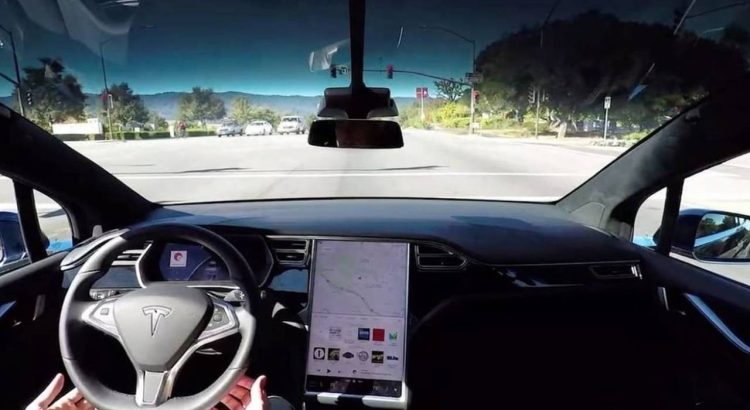
California, the birthplace of automotive innovation, has put a stop to Tesla by banning the use of the term “Autopilot.” This decision highlights the tension between technological promise and reality, revealing the risks of vague communication regarding driver assistance systems. For consumers, this changes the game in a market where trust is paramount.
A Term Under Pressure
The California Department of Motor Vehicles (DMV) decision to ban the term “Autopilot” from Tesla‘s communications hinges on a crucial question: the clarity of information provided to consumers. This term, which suggests autonomous driving, could mislead regarding the actual capabilities of the vehicles. The DMV deemed this terminology a form of misleading advertising, implying that Tesla cars could operate without human intervention, when they still require driver attention.
A Ruling That Could Set Precedent
This California ruling may have repercussions beyond state lines. Other authorities might look to this decision to more strictly regulate the use of terms related to vehicle automation. Euro NCAP, for instance, has already expressed concerns about the use of “Autopilot” in Europe, believing it could confuse the general public. This context suggests a paradigm shift in how automakers must communicate about their driver assistance technologies.
The Consequences for Tesla
For Tesla, this decision marks a significant turning point in its communication strategy. The automaker, known for its bold innovations and pioneering image in the electric vehicle sector, must now adapt its messaging. By removing the term “Autopilot” from its promotional and sales materials, Tesla is forced to rename its driver assistance features. This could impact consumer perception and, consequently, sales in an already competitive market.
A Market in Transition
This issue also highlights broader challenges in the automotive market regarding safety and automation. As consumers become increasingly demanding for transparency, the need for clear and precise communication about technologies becomes critical. Other automakers, like Ford and General Motors, could leverage this situation to position themselves as more reliable alternatives in the assisted vehicle market.
Toward a New Era of Communication
With this decision, we are witnessing a shift in how brands must approach communication around driver assistance technologies. The trend toward greater transparency could prompt other industry players to rethink their terminology to avoid ambiguity. In the future, more explicit terms may emerge to describe different levels of automation, making the market less prone to confusion.
In Summary
- The term “Autopilot” is now banned in California for Tesla.
- This decision aims to clarify the actual capabilities of assisted vehicles.
- It could pave the way for similar regulations elsewhere, particularly in Europe.
- Changes in Tesla’s communication could impact its market perception.
- A growing demand for transparency could influence the entire automotive sector.