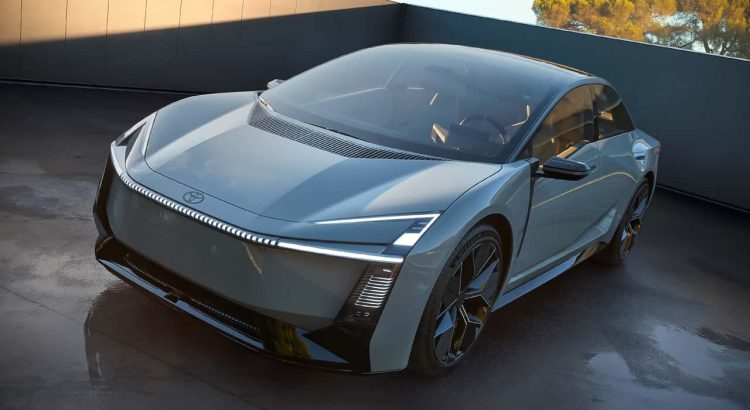
In an era where electric is becoming the key word, Toyota has decided to make a bold move with a daring partnership. In collaboration with Idemitsu Kosan, the Japanese giant plans to produce solid-state batteries, promising 1,000 km of range and a lightning-fast recharge in just 10 minutes. Hold on, this new technology could change the game in just two years!
A Well-Thought-Out Strategy
When discussing Toyota, it is wise not to rush. President Akio Toyoda, who led the group from 2009 to 2023, has often been criticized for his comments on electric vehicles, arguing that it was not the only short-term path. However, his multi-energy approach has paid off. The numbers speak for themselves: in 2025, with 11.3 million cars sold, the Japanese manufacturer set an all-time record.
Aware of the importance of solid-state batteries for competitive electric vehicles, Toyota is ramping up its efforts in this area. With the discipline and rigor that characterize Japanese expertise, the group’s research centers are busy evaluating technologies, testing solutions, and experimenting with different chemistries. This serious approach has attracted many observers, including Idemitsu Kosan, a key player in the Japanese oil sector that has decided to increase its involvement in this innovative project.
1,000 km of Range and 10-Minute Recharge
In October 2023, Toyota and Idemitsu Kosan launched an ambitious partnership aimed at producing solid electrolytes on a large scale. Together, they will build a new factory dedicated to manufacturing these essential components for solid-state batteries.

Toyota, new patents for more spacious electric cars
The goal is clear: by 2027 or 2028, Toyota aims to market electric cars offering 1,000 km of range and capable of recharging the battery from 10% to 80% in just 10 minutes. To achieve such performance, solid-state batteries will be essential. This initiative would allow Toyota to meet its timeline and be among the first manufacturers to offer models equipped with this revolutionary technology.
The Valorization of Sulfur
On the technical side, the focus will be on solid electrolytes based on sulfides, known for their potential in the mass production of solid-state batteries for electric vehicles. These materials stand out for their flexibility and excellent adhesion to other substances, qualities that make them particularly suitable for industrialization.

The electric range presented by Toyota in 2023
Additionally, Idemitsu Kosan, like other refining companies, manages significant sulfur flows as part of its regular operations. This often undervalued material could become very valuable if reused to produce lithium sulfide.
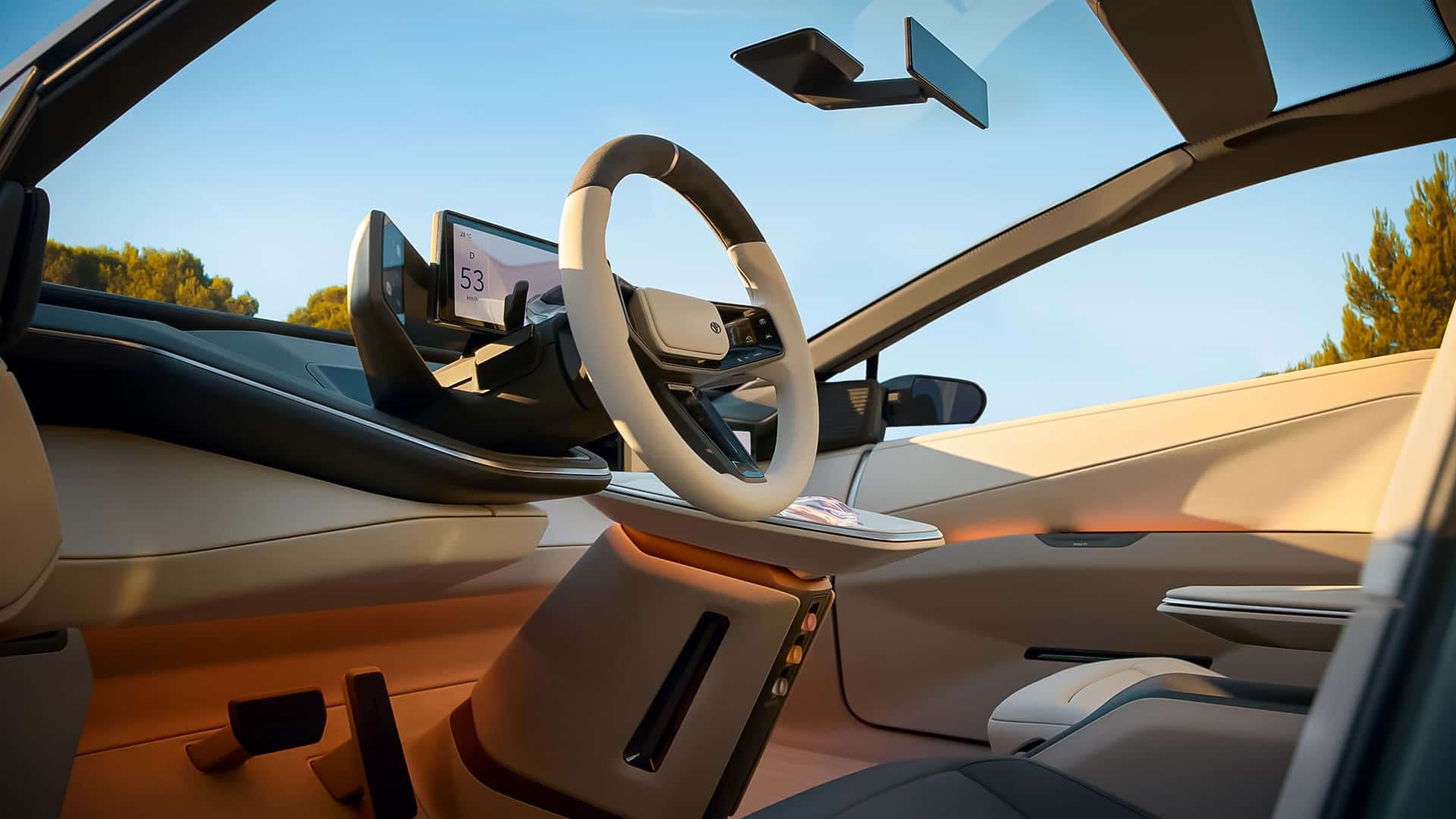
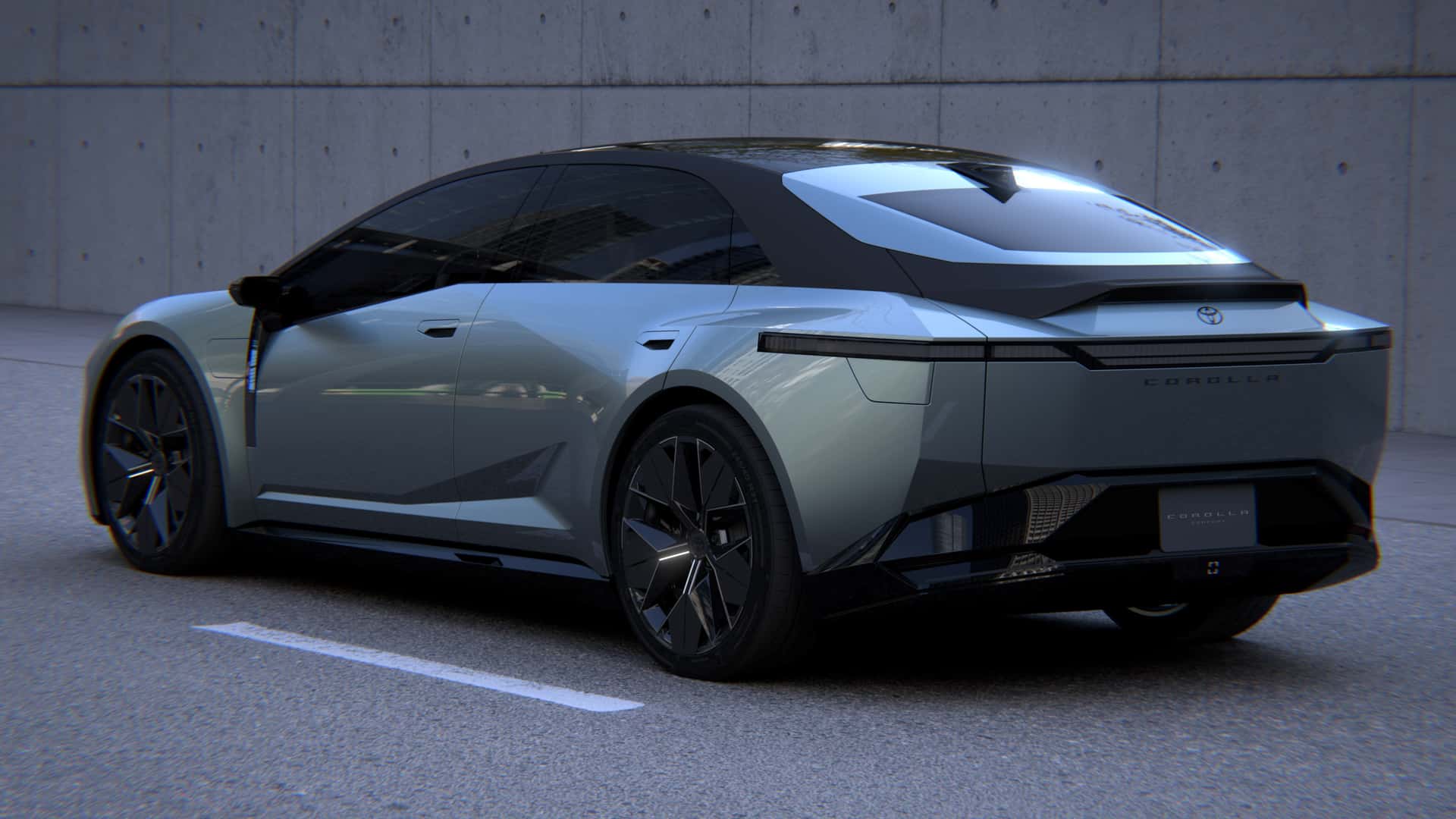
Who knows? Toyota, often perceived (wrongly) as an “anti-electric” brand, could very well be among the first to offer next-generation battery cars. At the same time, the group is also collaborating with Japanese miner Sumitomo Metal Mining to secure high-performance cathode materials specifically for this new solid-state battery factory.