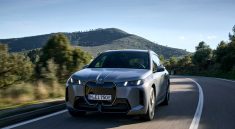
In a rapidly changing automotive landscape, BMW announces an unprecedented offensive with the launch of over 40 new models by 2027, marking a strategic shift towards electrification and diversified powertrains.

The Bavarian manufacturer, known for its expertise in performance and luxury, aims to thoroughly renew its lineup. This effort goes beyond mere facelifts, introducing entirely new models that integrate cutting-edge technologies. As the automotive sector enters a new era, this initiative could redefine BMW‘s position against increasingly fierce competition.
A Ambitious Renewal to Counter Competition
With the announcement of over 40 new models, BMW embarks on a radical transformation of its offerings. This renewal affects both SUVs and sedans, including sporty versions. Clearly, it’s not just about improving existing models but completely rethinking the lineup.
Key models on the horizon, including the new 3 Series and X5, will undergo a complete overhaul. These changes aim to meet the growing demand for varied powertrains, ranging from traditional engines to 100% electric versions. This strategic choice reflects a commitment to not fall behind competitors like Tesla, who dominate the electric segment.
Neue Klasse Platform: A Revolutionary Architecture
At the heart of this offensive, the Neue Klasse platform represents a true industrial stroke of genius. Specifically developed for electric vehicles, it promises optimized performance and increased flexibility in model design. The first to roll off the production lines will be the BMW iX3, a zero-emission SUV that has already generated significant interest in Europe even before its launch.
Production of this new generation has begun at the Debrecen factory in Hungary, a strategic choice for BMW that bets on the rapid and efficient industrialization of its new models. The Neue Klasse is not just a platform; it embodies a vision of the future where electromobility becomes the norm. However, the real challenge lies in BMW’s ability to convince its traditional customers of the quality and appeal of these new electric models.
Surge in Electric Sales
The numbers speak for themselves: in 2025, BMW delivered over 442,000 electric cars, a figure showing strong growth. The declared goal is to reach a range of 20 fully electric models by 2026. This proactive strategy aims to capture an increasingly significant market share in a sector where consumer expectations are rapidly evolving.
At the same time, the brand will continue to offer plug-in hybrid and traditional versions, a sensible decision given a clientele still attached to conventional engines. This “technology-neutral” approach allows BMW to adapt to the diverse preferences of its customers while paving the way for an electric future.
Significant Financial Challenges for BMW
This product offensive comes with considerable financial challenges. With profits exceeding €10 billion in 2025, BMW is in a favorable position to invest in this transformation. However, the costs of developing new technologies and adapting production lines should not be underestimated. The question remains: will these investments be profitable in the medium term?
The answer will largely depend on BMW’s ability to attract not only its loyal customers but also potential new buyers who may be drawn to competing brands offering innovative electric models.
Redefining Image in a Transforming Market
The shift towards electrification is also an image issue for BMW. Historically seen as the symbol of sporty luxury, the brand now faces the need to reposition itself in a market where ecological values prevail over raw performance. This strategic pivot could redefine consumer perceptions of the brand.
At the same time, competition is intensifying, with brands like Tesla continuing to impose their vision of the automotive future. The question remains: will BMW maintain its status while reinventing itself? The challenge is significant, and the coming years will be crucial for the longevity of its image.
In Summary
- BMW plans over 40 new models by 2027, including fully electric versions.
- The Neue Klasse platform is at the heart of this transformation, promising innovation and flexibility.
- The brand bets on a “technology-neutral” strategy to attract diverse customer segments.
- Financial challenges are considerable, with the need to ensure the profitability of investments.
- Repositioning BMW’s image against growing competition is a major challenge.
In conclusion, this offensive could reposition BMW at the center of the global automotive stage. For brand enthusiasts and potential buyers, this evolution opens the door to more diversified and environmentally friendly models. However, the road is fraught with obstacles and will require flawless execution to avoid disappointment. Stay tuned, as the coming years are set to be decisive for BMW’s future in a transforming automotive landscape.