


The Jeep Wagoneer is one of the emblems of American automotive history. Yet, its design has gone through several phases before arriving at what it is today. Between boldness and conservatism, let’s discover how this iconic SUV has seen its style evolve, with a nod to its vintage heritage.
A promising first draft: the Willys Malibu
In the early 1960s, the Willys Malibu was a true breath of fresh air in the SUV world. With its sleek and modern lines, it could have become a timeless classic, defying time like a fine wine. But the Willys management preferred to play it safe, worrying that this break from the traditional Jeep Station Wagon design might be too radical. A shame, as the Malibu could undoubtedly have made a stronger impression than some contemporary designs that age less gracefully.
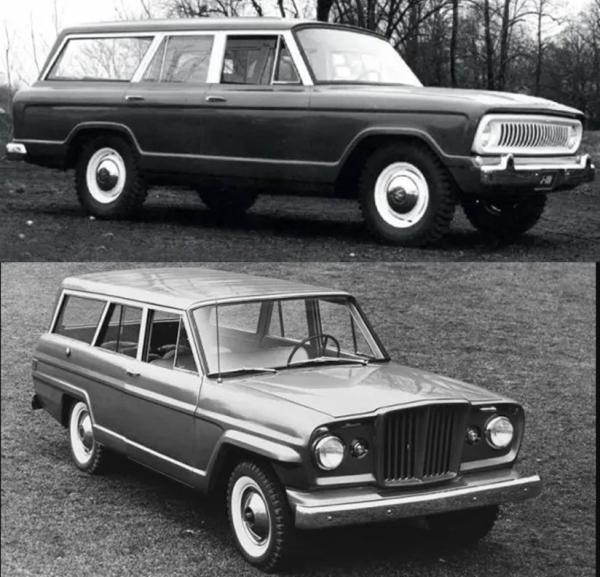
This 1959 model is a perfect example of the boldness that Willys lacked. Its horizontal grille and refined design recall those of the Ford Falcon of the time. A true gem that, ironically, was abandoned in favor of more conservative elements, like an old song hummed without enthusiasm.
A return to roots with the 1961 J-100
To counter the innovative character of the Malibu, Willys introduced the J-100 in 1961, a prototype that evokes the more archaic elements of the brand’s design. It’s as if the company decided to return to its roots, without really taking the risk of novelty. This model features a reimagined vertical grille and front fenders reminiscent of the very first Jeep. A choice that might make car enthusiasts smile: who would have thought that retro would be considered “trendy” a few decades later?
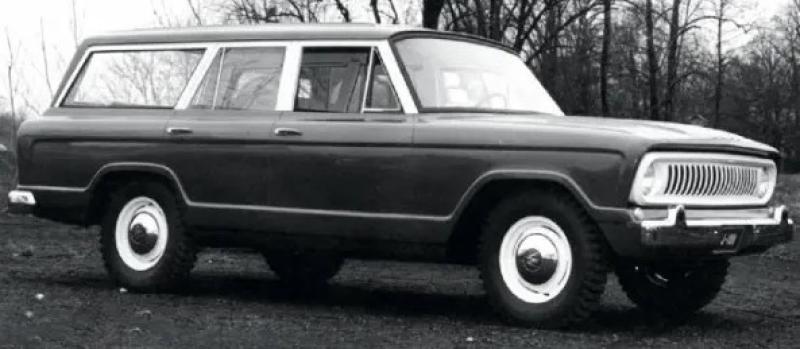
This contrast between modernity and tradition is palpable in every curve and detail. The J-100 even has the distinction of being a two-door coupe, a bold option that was not retained for the final version. One might wonder: was it a marketing strategy or a genuine intention to diversify the offering?
The perfect synthesis: the arrival of the Wagoneer in 1962
Ultimately, it was in 1962 that the Wagoneer was born, a successful fusion of the two previous prototypes. This can be seen as an arranged marriage: on one side, the Malibu with its promises of modernity, on the other, the J-100 with its well-established traditions. This blend allowed the Wagoneer to forge its own identity while remaining true to the Jeep heritage.
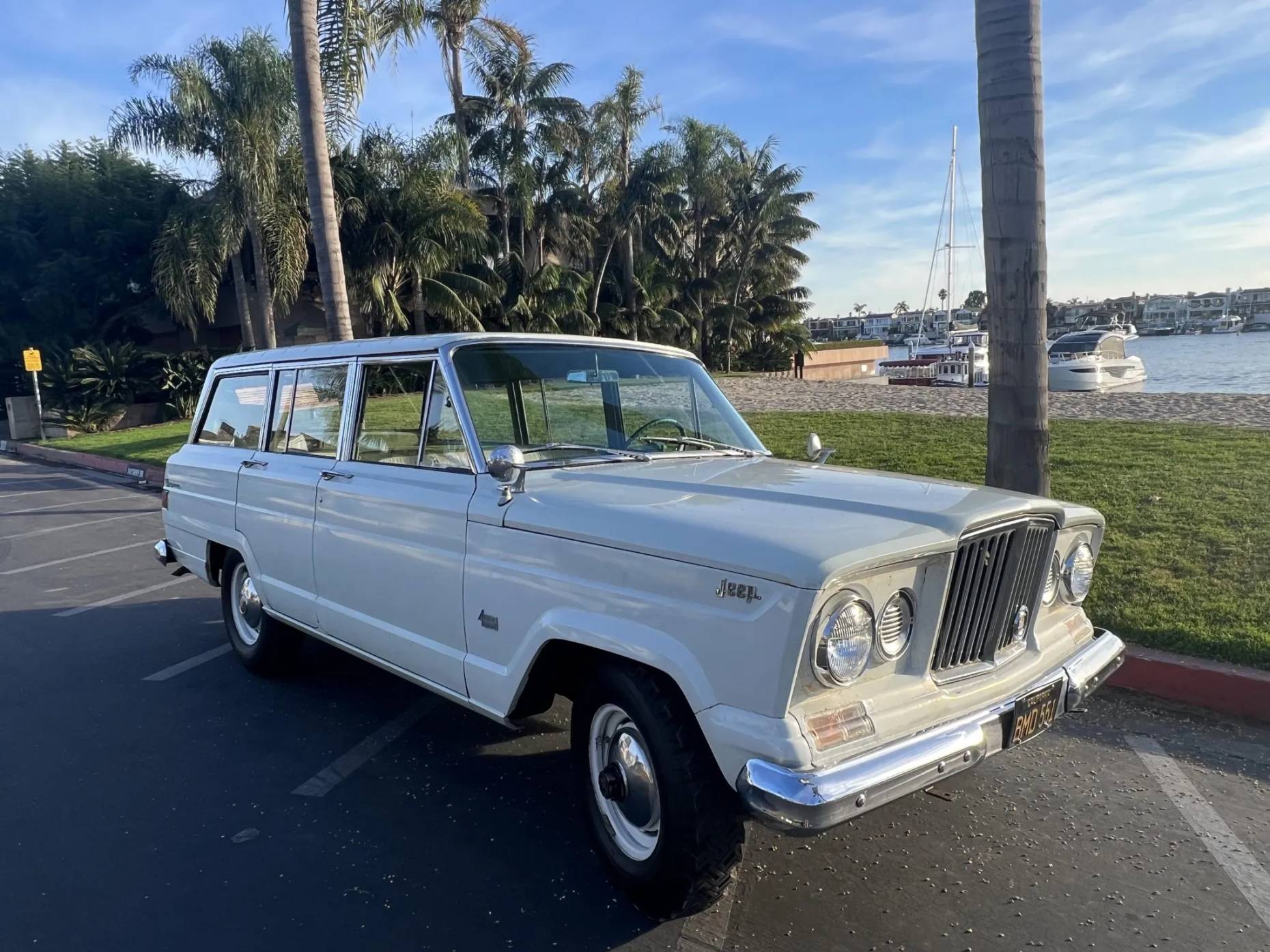
This new version of the Wagoneer managed to captivate with its elegant lines and functionality, thus laying the groundwork for what a modern SUV would be. Nevertheless, one can’t help but think that if Willys had followed its initial intuition with the Malibu, the story could have been quite different.
An evolving design: from nostalgia to innovation
Over the years, the Wagoneer continued to evolve. For example, the 1966 version abandoned its inherited grille in favor of a simpler and more functional design. A bit like a rock band changing its musical style while keeping its soul. This choice shows that even in the automotive world, it is essential to evolve while respecting one’s roots.
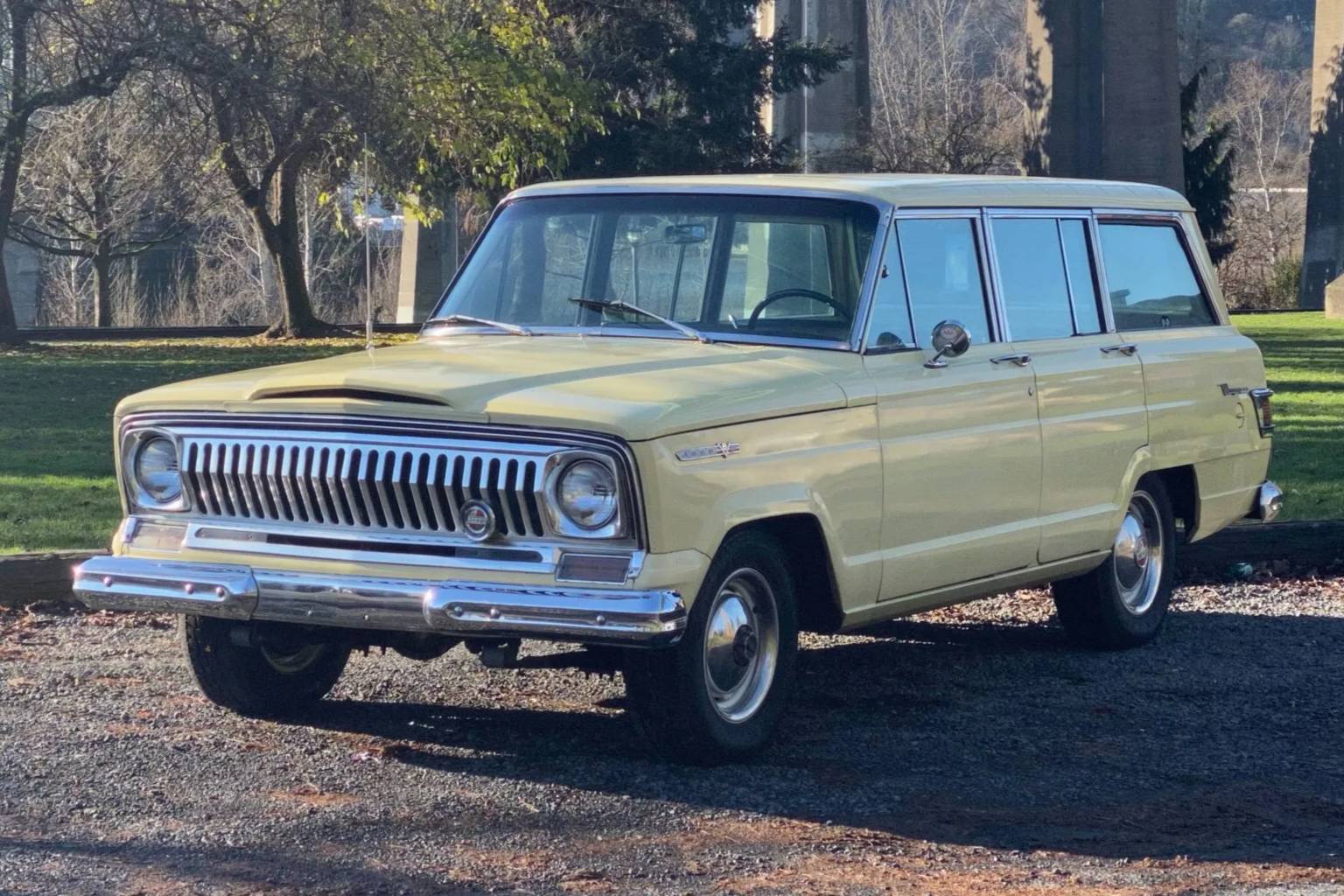
The 1966 Wagoneer perfectly illustrates this transition: it retains elements of its predecessor while adapting to the trends of the moment. Unfortunately, this formula has not always succeeded in captivating the public, leading us to reflect on the impact of stylistic choices on a vehicle’s popularity.
Conclusion: a legacy to revisit
Ultimately, the story of the Jeep Wagoneer is one of a quest for identity between tradition and modernity. If the Malibu had been launched as is, perhaps we would have had a very different iconic SUV today. However, it is fascinating to see how the decisions made by Willys shaped not only the history of the Wagoneer but also that of all the SUVs that followed. We can only applaud this masterpiece of American automotive heritage, a symbol of an era where every line mattered and where innovation blended with respect for traditions.


