
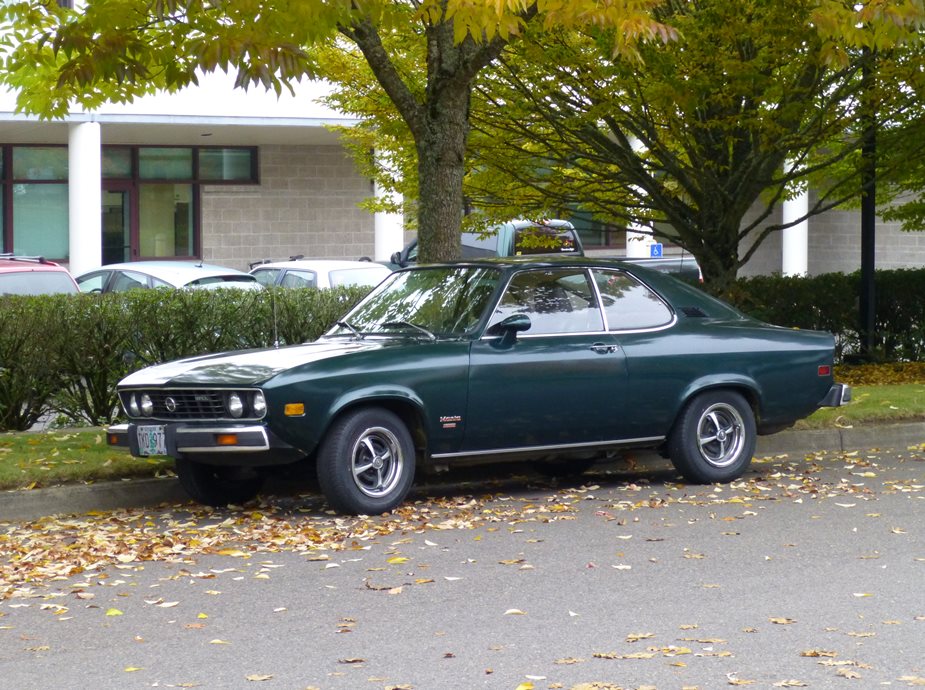
In the 1970s, the Opel Manta captivated many with its design and performance. But beneath its elegant coupe exterior lies a secret much more muscular than its original 81-horsepower engine. Straddling the line between legend and mockery, this Manta has become a true symbol, halfway between a sports car and the German stereotype. Hold on tight, as we dive into the fascinating history of this car that still sparks conversation!


A Coupe with Surprising Origins
The Manta was launched in 1970 as Opel’s quick response to the Ford Capri, which itself was inspired by the Mustang’s meteoric success in the United States. In fact, Opel took only 20 months to bring the Manta to market, a feat compared to the two and a half years General Motors needed to design the Camaro. This coupe was attractive, with an aerodynamic line and a front that evoked the Camaro, but it should not be forgotten that it was merely a re-styled version of the Opel 1900/Ascona.


A Performance with Two Faces
While the Manta was praised in the United States for its road handling and maneuverability, it became the target of jokes in Germany. Indeed, it was often referred to as the “mullet-mobile,” a nod to the iconic 80s haircut, symbolizing a lifestyle popular among the working class. This contrast between the serious image of a sports car and its comedic status in Europe helped forge its legend.


The Engines: A Story of Compromise
Opel made bold choices regarding the engines. Unlike the Capri, which offered powerful V6 engines, the Manta was limited to four-cylinder engines. The most powerful engine, a 1.9L developing 105 horsepower, was indeed pleasant to drive but did not compete with the muscle of its rivals. Many saw this configuration as Opel’s way of not truly challenging the Capri on the performance front.


From Adoration to Derision
The gap between the Manta’s image in America and Europe is striking. While it was praised by the American automotive press as one of the best cars in its class, it was mocked in Germany. Jokes circulated about Manta owners, portraying them as unsophisticated characters, out of sync with the glamorous image of BMW and Audi. This dichotomy made the Manta a true cultural phenomenon, inspiring films and jokes about it.


A Marked Cultural Legacy
The Manta B, produced from 1975 to 1988, continued to fuel German automotive folklore. It became a symbol of the working class and even inspired films that made it the unlikely hero. Jokes circulated about its drivers, such as one that claimed a Manta owner took family photos while driving at 200 km/h. Despite this reputation, it managed to carve out a place in the hearts of car enthusiasts.


A Personal Encounter with the Manta
For me, the Manta also evokes nostalgic memories. I recall an unforgettable trip across the United States in a red Manta. Its engine, while not a powerhouse, offered undeniable driving pleasure. The sensation of speed and control was exhilarating, even in the spring winds of Nebraska. This experience left an indelible mark on my memory.


A Return to Roots with a Modern Touch
Today, some enthusiasts like Karl Walter are working to revive these former glories. His Opel Manta equipped with a 3.1L V6 engine from a Chevrolet Lumina is a perfect example of successful modernization. With this engine, the Manta now offers more power while retaining its old charm. This transformation is a tribute both to the original spirit of the Manta and to the ingenuity of enthusiasts.


In conclusion, the Opel Manta is much more than just a coupe; it reflects an era, an automotive culture, and an undeniable passion for driving. Its unique journey continues to inspire car enthusiasts and collectors. For those looking to rediscover or delve into the world of classic cars, exploring the gems of automotive history is an excellent way to celebrate this beautiful story.


