The Enduring Allure of the Flat-Six
In a world increasingly dominated by silent electric whispers and the sterile efficiency of touchscreens, Porsche’s iconic 911 has once again reminded us that sometimes, the old ways are the best ways. For the first half of 2026, the legendary rear-engined sports car didn’t just outsell its electric sibling, the Taycan, it absolutely annihilated it. We’re talking a near five-to-one victory, a margin so wide it’s enough to make a Tesla executive spill their oat milk latte.
This isn’t just a blip; it’s a resounding statement from enthusiasts and buyers alike. While the Taycan, a technological marvel in its own right, grappled with a significant 25% sales drop, the 911 family, in all its combustion-fueled glory, not only held its ground but posted a healthy 19% increase. It’s the only model in Porsche’s lineup to achieve growth, a testament to a formula that, against all odds, just keeps getting better.

A Tale of Two Porsches
The numbers don’t lie, and they paint a stark picture. The 911 family, spanning everything from the accessible Carrera to the ludicrously fast Turbo S and the track-honed GT variants, clocked in a cool 30,534 deliveries worldwide. Meanwhile, the Taycan, encompassing both the sleek sedan and the more practical Sport Turismo body styles, managed a comparatively meager 6,219 units. Yes, you read that right: more 911s found homes in the first six months of 2026 than Taycans by a factor of almost five. This is a fascinating development, especially when you consider the prevailing market wisdom that four-door practicality and electric propulsion are the future.
The 911’s continued dominance isn’t accidental. Porsche has masterfully kept its flagship sports car relevant and desirable through a relentless stream of updates and special editions. From the slightly more potent GTS to the mind-bending Turbo and the utterly uncompromising GT models, there’s a 911 for every flavor of petrolhead. Each iteration adds a new layer of excitement, a fresh reason to tick the box, and a compelling argument against the march of electrification. It’s a masterclass in brand management and product evolution, proving that heritage and performance still hold immense sway.
Why the Taycan is Lagging
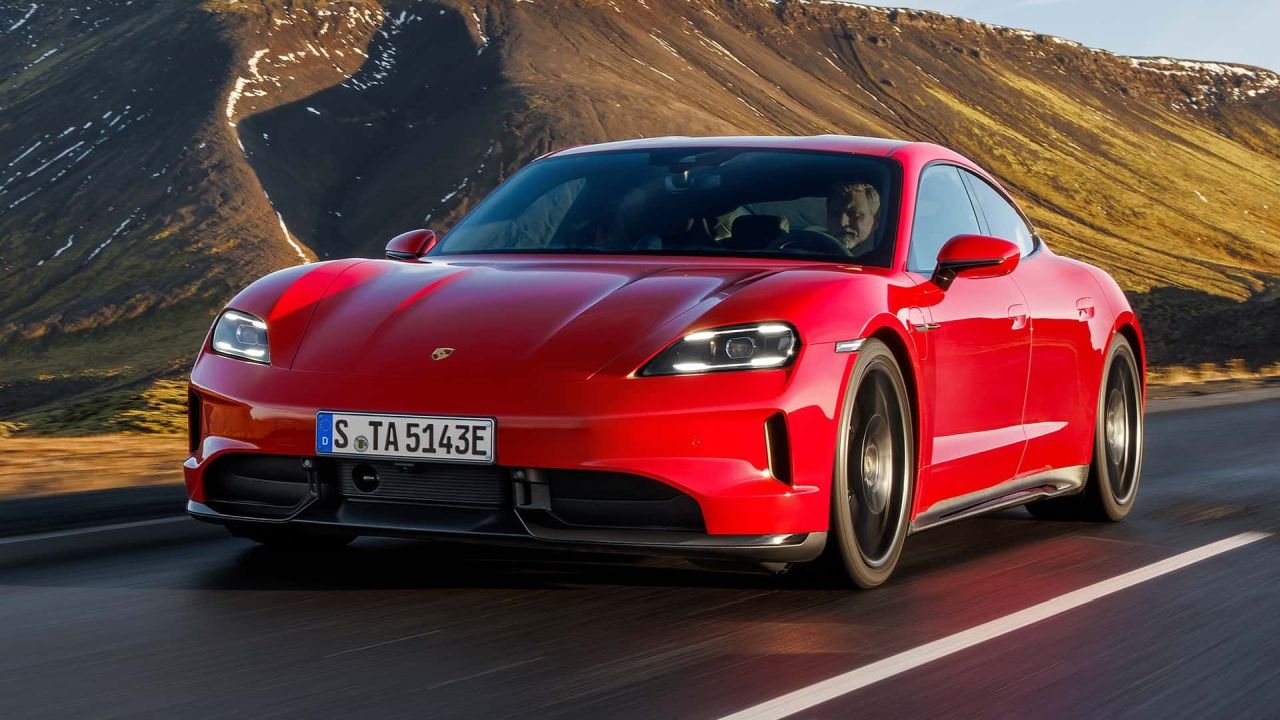
The Taycan’s sharp decline, however, raises more questions than it answers. Is demand for premium electric vehicles cooling in key markets? Is the Taycan simply a victim of its own groundbreaking introduction, setting expectations too high for subsequent models? Or is it a case of the electric field becoming so crowded that even a Porsche struggles to stand out? The competition is fierce, with rivals offering longer ranges, faster charging, and often, a lower entry price. While the Taycan remains a benchmark for driving dynamics in the EV space, its sales figures suggest that perhaps buyers are less willing to compromise on range or pay a significant premium when other compelling electric options exist.
It’s also worth considering the Taycan’s inherent nature. While its performance is undeniable, it’s a car designed to be driven, to be pushed. The 911, on the other hand, embodies a more visceral, analog experience. Its driving position, the sound of its flat-six engine, the tactile feedback through the steering wheel – these are elements that resonate deeply with a certain type of enthusiast, a segment that Porsche has cultivated for decades. The Taycan, for all its technological brilliance, simply can’t replicate that raw, unfiltered connection to the machine. It’s the difference between a perfectly orchestrated symphony and a raucous rock concert – both are art, but appeal to different souls.
The 911’s Unrivaled Variety
The sheer breadth of the 911 range is a significant factor in its enduring appeal. Porsche understands that a sports car isn’t a one-size-fits-all proposition. Need a daily driver that can still carve up a mountain pass? There’s a Carrera S for that. Want something that will embarrass supercars on track days? The GT3 RS beckons. Crave ludicrous speed and all-wheel-drive security? The Turbo S is your chariot. This constant evolution and expansion of the 911 family ensures there’s always a fresh model to capture the imagination and wallet of enthusiasts. It’s a strategy that has paid dividends for decades, and it continues to do so.
Compare this to the Taycan. While Porsche has introduced various power outputs and the Sport Turismo variant, the fundamental concept remains the same: a high-performance electric sedan. It lacks the inherent diversity of the 911, which, by its very nature, has always been about more than just outright speed. It’s about the experience, the heritage, the unique engineering that places the engine where it is. This fundamental difference in DNA is likely playing a significant role in their respective sales performances.
Market Forces and Electric Realities
The automotive landscape is shifting at an unprecedented pace, and the Taycan’s sales figures could be an early indicator of broader trends. While the EV revolution is undeniable, the initial fervor for premium electric sedans might be tempering as consumers become more discerning. Factors such as charging infrastructure availability, the true cost of ownership, and the increasing competition from both established automakers and new players are all coming into play. Buyers are no longer just looking for the latest tech; they’re scrutinizing value, practicality, and the overall ownership experience.
Furthermore, the Taycan’s pricing, while competitive for a Porsche EV, places it in a segment where buyers have a wealth of choices. The allure of the Porsche badge is strong, but when faced with equally capable, and sometimes more affordable, electric offerings from other luxury brands, the decision becomes more complex. The 911, on the other hand, occupies a more unique niche. It’s a halo product, a dream car for many, and its price, while substantial, is often justified by its unparalleled performance, heritage, and exclusivity. It’s less about pure practicality and more about fulfilling a passion.
The Future of Porsche?
This sales disparity raises intriguing questions about Porsche’s long-term strategy. While the company is committed to electrification, the 911’s continued dominance suggests that the internal combustion engine, at least in this iconic form, is far from dead. Will Porsche continue to invest heavily in the Taycan platform, or will the success of the 911 lead to a more cautious approach to EVs, perhaps focusing on hybrid technology for its sports cars in the interim? The company has already hinted at exploring synthetic fuels for its combustion engines, a move that could further extend the life of models like the 911.
Ultimately, the 911’s triumph over the Taycan in the sales charts is a powerful reminder that passion and heritage can still trump technology and practicality. It’s a victory for the visceral, the analog, and the undeniably thrilling experience of driving a car with a soul. For now, at least, the roar of the flat-six engine still echoes louder than the silent hum of electric motors in the hearts of many Porsche enthusiasts.
- Porsche 911 sales: 30,534 units (H1 2026)
- Porsche Taycan sales: 6,219 units (H1 2026)
- 911 sales growth: +19%
- Taycan sales decline: -25%
- Sales ratio: 911 outsells Taycan by nearly 5:1