

The Raging Bull’s Future: A Financial Asset or a Brand Apart?
Whispers from the hallowed halls of the Volkswagen Group suggest a seismic shift might be on the horizon. Forget horsepower wars and track records for a moment; the legendary Lamborghini brand, a symbol of Italian automotive passion, could be on the table, not for a track day, but for a financial appraisal. This isn’t about building faster V12s, but about funding the gargantuan, multi-billion-dollar shift to electrification and software that’s consuming the entire industry.
Volkswagen, a sprawling empire of automotive icons, is facing a reckoning. The transition to electric vehicles, the complexities of in-car software, and the promise of autonomous driving demand an investment so colossal it makes a Bond villain’s budget look like pocket change. Reports of drastic restructuring, including plant closures and job cuts, paint a stark picture of the sacrifices required. In this high-stakes game of automotive chess, attention inevitably turns to the group’s crown jewels – its most profitable and prestigious brands.
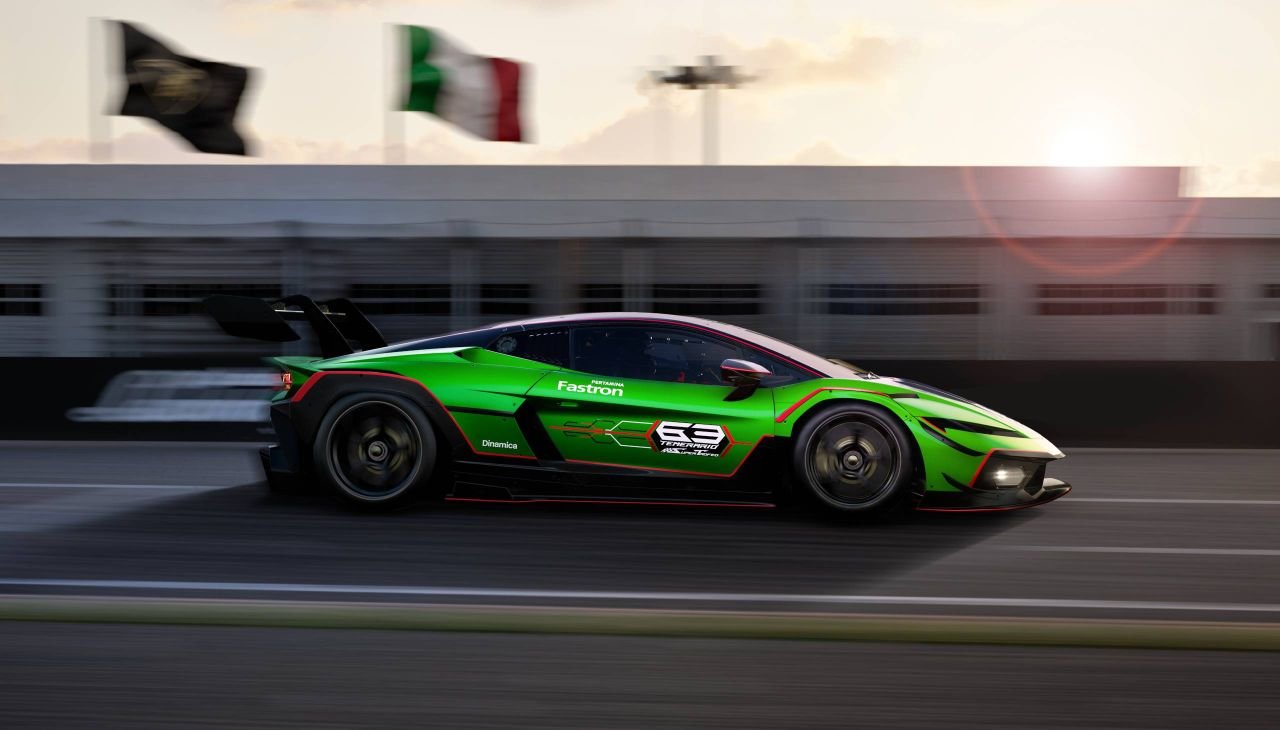
The Italdesign Precedent: A New Willingness to Deal
This isn’t a bolt from the blue. The Volkswagen Group has already demonstrated a surprising willingness to reshuffle its prized assets. The sale of a majority stake in Italdesign, the iconic design house that has penned some of the most beautiful cars in history, sent ripples through the industry. It signaled that when the future demands it, even sacred cows are not immune to the auction block. If they could part with Italdesign, then surely Lamborghini, a far more prominent profit center, is not entirely off-limits.
Lamborghini’s Allure: Profitability Meets Prestige
Lamborghini has, for years, been a shining example of how to blend extreme performance with exceptional profitability. While other supercar manufacturers grapple with the economics of low-volume production, Lamborghini has managed to consistently deliver margins that are the envy of the automotive world. Its brand cachet is immense, capable of commanding premium prices and generating fervent desire among enthusiasts. This unique combination of financial muscle and aspirational appeal makes it a prime candidate for any strategic financial maneuver.
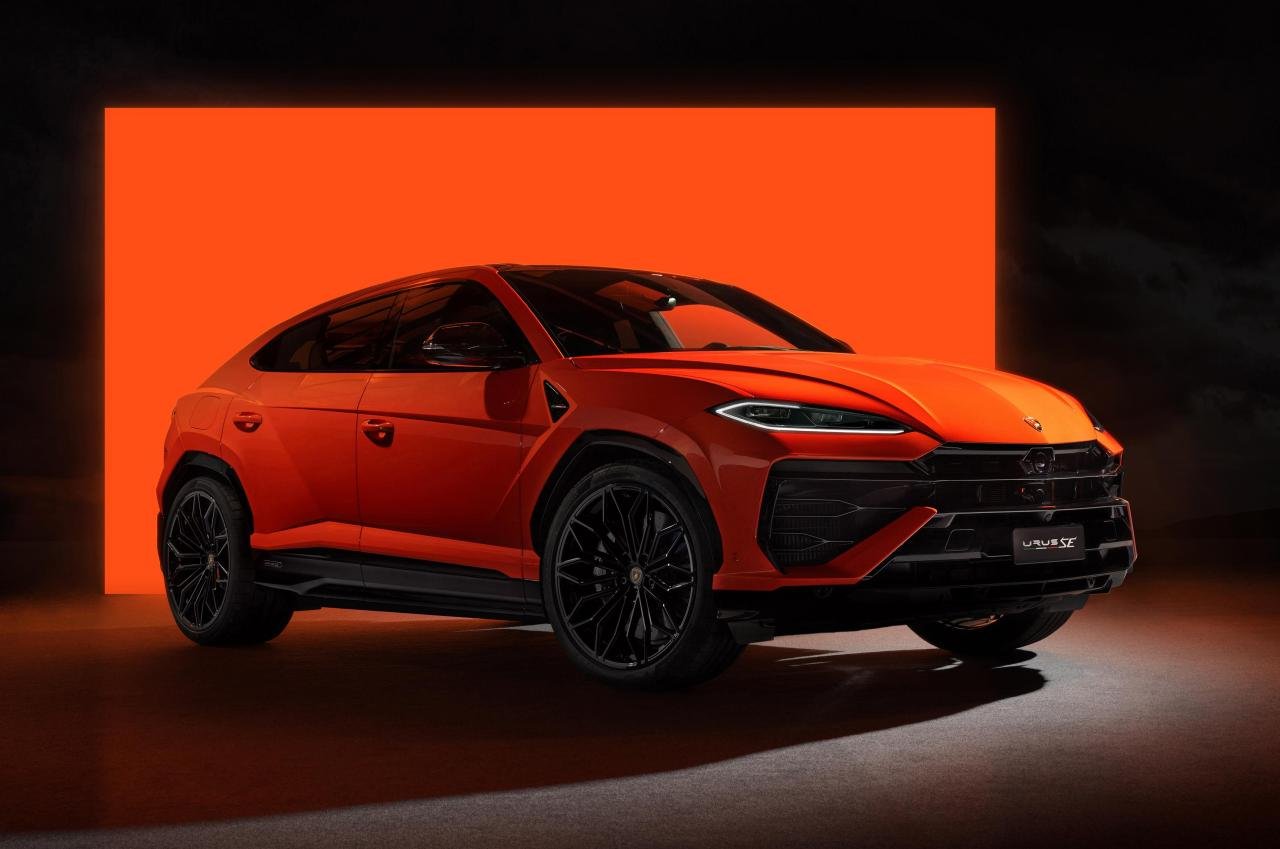
The EV Elephant in the Room
But the automotive landscape is shifting beneath everyone’s tires. The internal combustion engine, the very soul of Lamborghini for decades, is facing an existential threat. Regulations are tightening, consumer preferences are evolving, and the electric revolution is gaining unstoppable momentum. Volkswagen’s commitment to electrification is unwavering, requiring an investment of tens of billions of dollars. This is where the financial strain becomes most apparent.
Developing entirely new electric architectures, battery technology, and sophisticated software platforms is a monumental task. It requires resources that even a behemoth like VW finds challenging to allocate across its diverse portfolio of brands. Selling a stake in Lamborghini, or even a full IPO, could provide a significant financial injection, freeing up capital to accelerate the development of the all-electric successors to the Aventador and Huracán, and perhaps even a more potent electric SUV.
What This Means for the Raging Bull
For the purists, the idea of Lamborghini becoming a publicly traded entity, or even partially owned by external investors, might feel like sacrilege. The brand’s mystique is built on exclusivity, passion, and a certain untamed spirit. Would a focus on quarterly earnings reports dilute that very essence? Would the relentless pursuit of profit overshadow the artistry and engineering brilliance that define a Lamborghini?
These are valid concerns. However, it’s also worth noting that many luxury brands have successfully navigated the complexities of public markets. Porsche, for instance, remains a highly profitable and desirable brand within the VW Group, even after its own IPO. The key would be for Volkswagen, or any new partner, to ensure that Lamborghini’s core identity remains intact. The focus must remain on creating breathtaking, high-performance machines, regardless of their powertrain.
The Road Ahead: Uncertainty and Possibility
As it stands, Volkswagen has remained tight-lipped, offering no official confirmation of any plans to sell Lamborghini. The company is exploring various avenues to fund its ambitious future, and bringing in external investors for its technology divisions is also on the table. However, the persistent reappearance of Lamborghini in these strategic discussions is telling. A few years ago, the notion felt like a fantasy; today, it feels like a distinct, albeit unconfirmed, possibility.
The automotive industry is in the midst of an unprecedented transformation, and no brand, no matter how legendary, is immune to its forces. While the roar of a V10 might be replaced by the whine of electric motors, the spirit of Lamborghini – its passion, its performance, and its sheer audacity – must endure. Whether that spirit is best preserved through a partial sale or a full IPO remains to be seen, but one thing is certain: the future of the Raging Bull is a story worth watching.
Key Takeaways: Lamborghini’s Potential Financial Future
- Volkswagen Group is reportedly considering financial maneuvers involving Lamborghini to fund its massive electrification and software investments.
- A partial IPO or sale of a stake in Lamborghini is being explored as a way to unlock capital while retaining control.
- This potential move follows Volkswagen’s previous sale of a majority stake in Italdesign, signaling a willingness to reshuffle assets.
- Lamborghini is one of the most profitable brands within the VW Group, known for its high margins and prestigious image.
- The transition to electric vehicles presents a significant financial challenge for all automakers, including supercar manufacturers like Lamborghini.
- No official confirmation has been made by Volkswagen, and other options, such as external investment in tech divisions, are also being considered.


