

The Australian Grand Prix revealed tensions within Alpine, the French team in search of performance. While Aston Martin captured attention with its own troubles, Pierre Gasly and Franco Colapinto struggled to get out of the back of the grid. A situation that raises questions about the team’s strategy and its ambitions for the 2026 season.
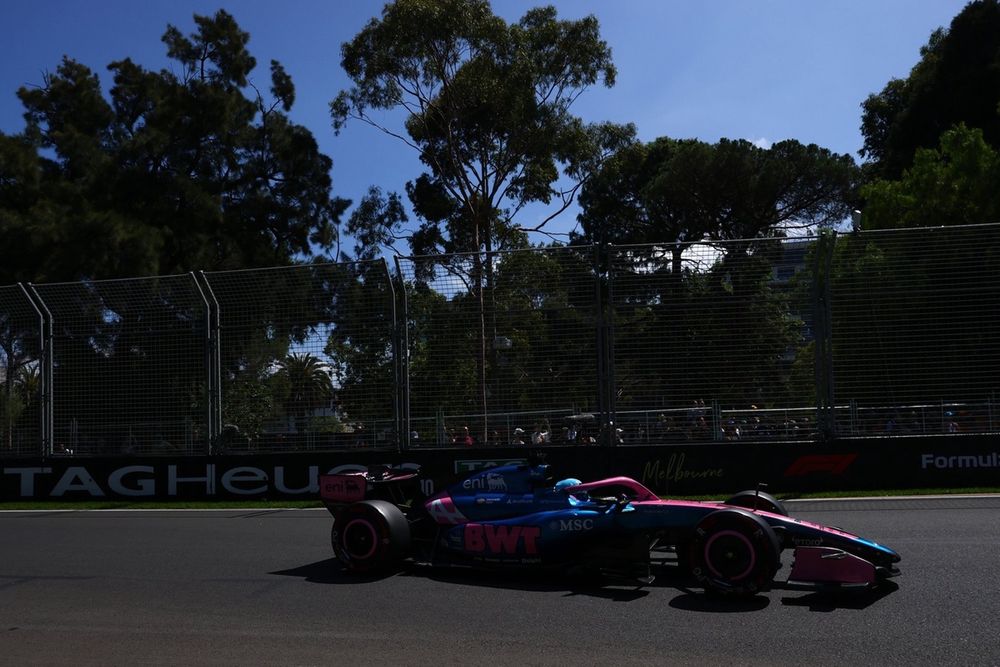
Unfulfilled Promises: The Shadow of Bahrain
Alpine arrived in Melbourne with high hopes, especially after encouraging performances during preseason testing. The reputation of being the “best of the rest” seemed within reach, but this Friday was a real wake-up call. Both drivers recorded the 16th and 18th fastest times during the first free practice sessions, a disappointing result for a team aspiring to compete with the giants of F1.
The real issue is that the A526, which had shown promising potential, encountered unexpected technical problems. Pierre Gasly did not hide his dismay: “We are very far from the level we finished at in Bahrain.” This statement resonates as an admission of failure, reflecting a brutal degradation of performance compared to initial expectations.
Technical Problems: A Challenge to Overcome
The difficulties faced by Alpine are not just a matter of setup. The “unprecedented” issues mentioned by Gasly highlight a fragility in the car’s design. “We have learned that we have some problems to solve that we hadn’t really identified during testing,” he stated. In clear terms, the team seems to have underestimated the impact of the new regulations on the behavior of their car.
This situation highlights the increasing complexity of modern F1, where every detail can have major repercussions on performance. In practice, this could mean that teams need to invest more in research and development to remain competitive, a necessity that could weigh heavily on Alpine’s budget.
A Strategy to Redefine in the Face of Competition
As Alpine seeks to close the gap with the leaders, the competition is strengthening. Teams like Ferrari and Mercedes continue to refine their performances, while outsiders like Aston Martin also seem to be making progress. In this context, Alpine’s inability to capitalize on its gains could cost it dearly. “The priorities have changed compared to the past,” admits Gasly, highlighting a necessary adaptation in the face of the sport’s rapid evolutions.
For the Enstone team, the question arises: how to turn things around? Analyzing the problems encountered is crucial, but a clear vision will also be needed to navigate an environment where technological innovation has become the key to success.
The Stakes of Regulation: Between Opportunities and Constraints
With recent changes in technical regulations, particularly regarding energy management and deployment, teams must demonstrate unprecedented agility. For Alpine, this means not only technical adjustments but also a complete overhaul of their strategic approach. “The approach is very different from what I’ve known in my previous years in F1,” confides Gasly, illustrating the challenge of rapid adaptation in a constantly evolving environment.
This regulatory evolution could well be a disguised opportunity for teams capable of adapting quickly. Conversely, for those like Alpine, which struggle to comply with the new requirements, it could turn into a real handicap.
A Reputation to Rebuild
The perception of Alpine on the circuit is at stake. Expectations were high, and a black Friday like this can affect the team’s morale as well as the confidence of sponsors and partners. “For now, we are still quite far from that,” acknowledges Gasly, and this statement could resonate beyond the paddock.
The need to rebuild a strong image becomes crucial to attract the talent and funding necessary for performance improvement. The pressure is therefore twofold: not only must they perform on the track, but they must also maintain a positive image off it.
In Summary
- Alpine had a difficult Friday at the Australian Grand Prix.
- The disappointing performances of the drivers raise questions about the team’s strategy.
- Unexpected technical problems complicate Alpine’s task.
- The competition is strengthening, making rapid adaptation necessary.
- The team’s image is at stake, with implications for morale and financial support.
Who is this analysis useful for? For Alpine fans and motorsport observers, it is crucial to understand that the road to performance is fraught with obstacles. Alternatives exist in the paddock, and competition is only intensifying. If Alpine fails to resolve its issues quickly, it risks losing its place among the podium contenders. In short, the challenge for the team now is to turn this crisis into an opportunity for the future.


