At the center of the debate following the Thailand GP, rider Fabio Di Giannantonio raised a crucial question about safety in MotoGP. The incident involving Álex Márquez, which nearly turned disastrous, highlights an urgent need to revisit driving rules and penalties at the start of races. What is the responsibility of riders in these critical moments, and how can race direction ensure the safety of all?
A Chaotic Start: The Incident That Sparks Debate
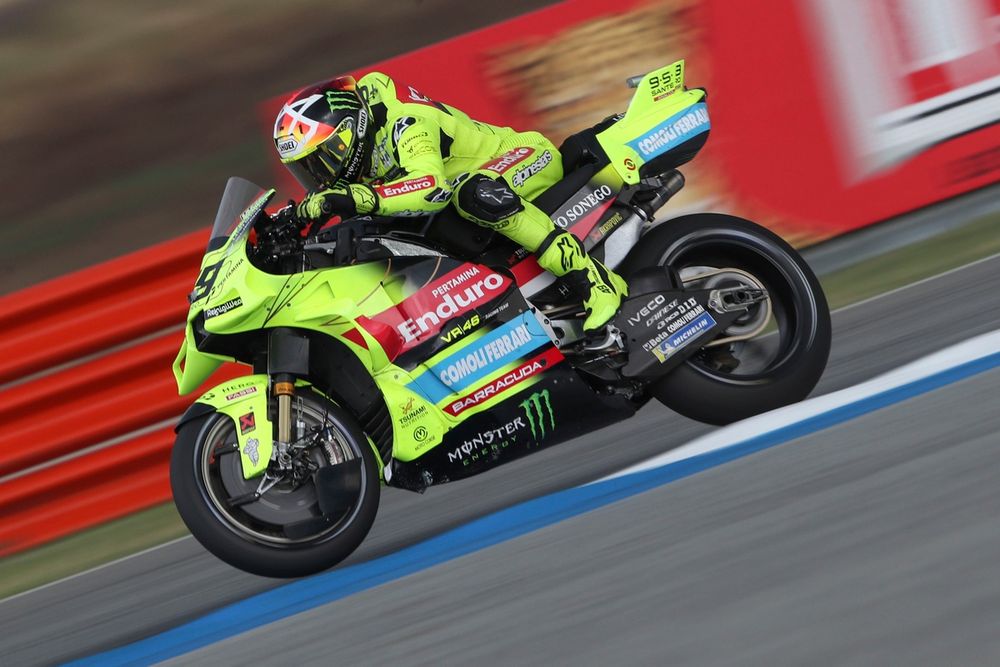
The sprint at the Thailand GP was marked by an incident that will surely fuel discussions in the paddocks. During the first lap, Álex Márquez attempted a bold maneuver at braking, forcing Fabio Di Giannantonio off the track. Both riders, having fallen out of the top 10, continued racing, but the lack of a penalty left Di Giannantonio perplexed. The incident did not prompt any investigation from the race officials, which ignited Di Giannantonio’s frustration.
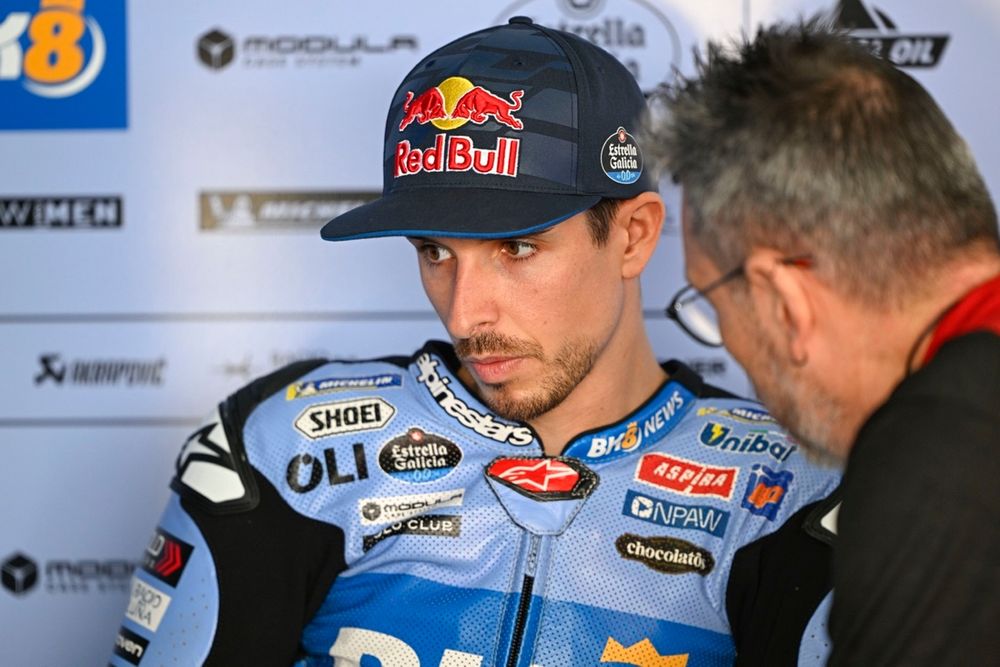
He pointed out that the first corner is often the scene of accidents, referencing tragic precedents from recent seasons. This is not just an isolated incident but a systemic issue that requires special attention.
A Voice of Reason: A Call for Safety
Di Giannantonio made his voice heard, advocating for stricter penalties in the early corners. “I think race direction should encourage us to be more cautious with stricter penalties,” he stated. This viewpoint raises a fundamental question: should rider safety take precedence over the spirit of competition? In a sport as intense as MotoGP, the answer is not straightforward.
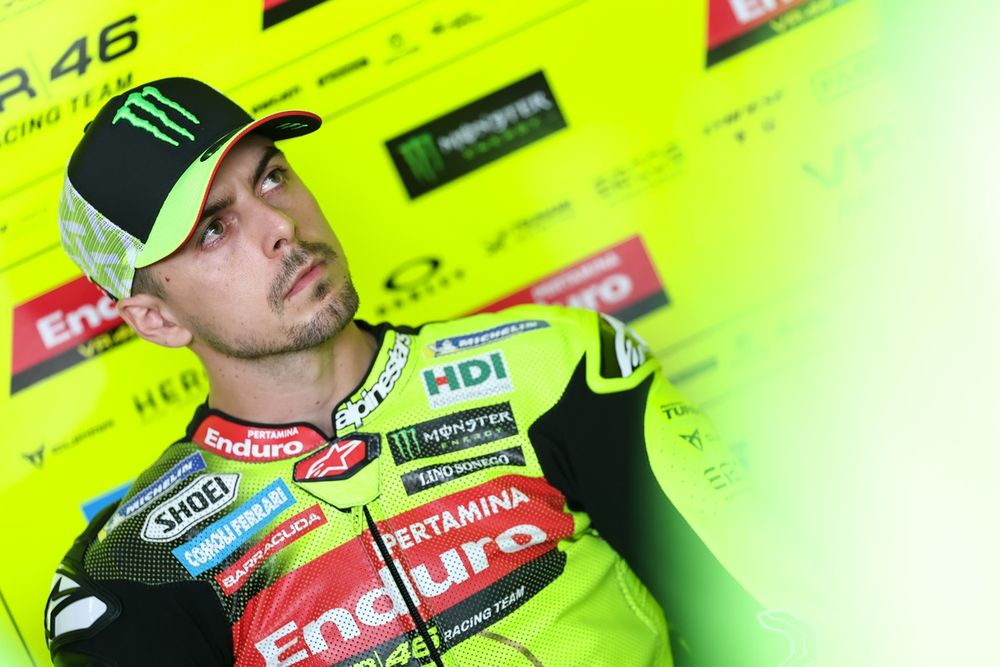
This debate highlights a tension between the need for spectacle and the necessity of safety. Riders are often pushed to take risks to gain positions, especially at the start. But can this mentality be reconciled with the need to avoid serious accidents?
Márquez Passes the Buck: Shared Responsibility
Álex Márquez, for his part, shifted the blame to Di Giannantonio, accusing him of acting recklessly in trying to maintain his position. “You have to know when to brake to avoid collisions,” he asserted. This discourse brings another dimension to the problem: the individual responsibility of riders. If each must own their choices on the track, does that justify collective penalties?
This controversy sheds light on an interesting dynamic in MotoGP: how riders interpret the rules and limits. Opinions vary on how race direction should manage these situations. However, if each rider defends themselves individually, the risk of accidents increases.
A Difficult Consensus to Reach
Despite his criticisms, Di Giannantonio does not want a sanitized MotoGP. He defends the idea of hard-fought duels but emphasizes the importance of safety. “We should bump into each other, but within limits,” he stated. This position underscores a reality: riders must navigate between the adrenaline of competition and the necessity of respecting the safety of others.
The question then arises: how to establish a framework that allows for exciting races while ensuring safety? Race direction faces a complex challenge, where every decision can impact the sport’s image.
An Uncertain Future: What Consequences for MotoGP?
In the short term, this controversy could lead to a reevaluation of existing regulations. If race direction takes Di Giannantonio’s remarks into account, we might see changes in penalties for dangerous behaviors at the start of races. This could also influence rider behavior, as they will need to adapt to a stricter framework.
In the medium term, this situation could impact the public’s perception of MotoGP. Fans want excitement, but they also want to see safe races. If penalties are strengthened, it could reduce incidents but also diminish the intensity of battles on the track.
In Summary
- The incident between Márquez and Di Giannantonio raises safety questions in MotoGP.
- Di Giannantonio calls for stricter penalties for dangerous behaviors.
- Márquez shifts blame to his rival, revealing a tension between individual and collective responsibility.
- The safety debate could lead to a reevaluation of existing regulations.
- Future decisions could influence the image and perception of MotoGP among the public.