
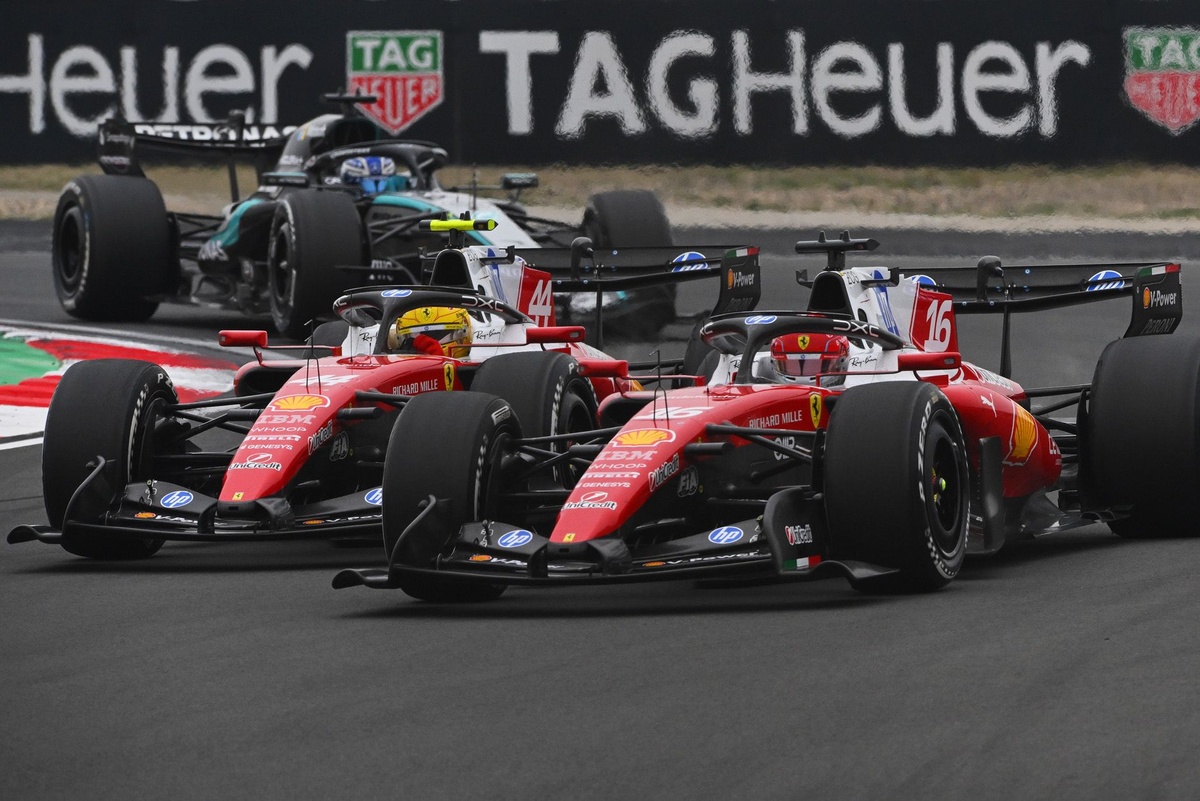
Formula 1 team directors recently reviewed the first two Grands Prix of the season, in Australia and China, as the new technical regulations for 2026 loom on the horizon. While the on-track action has been exciting, adjustments are necessary, particularly regarding qualifications.
A Positive Assessment but Inevitable Adjustments
During a crucial meeting, team officials expressed their satisfaction with the quality of the races. The performances in Australia and China delighted spectators, and fan enthusiasm seems to be high. However, behind this cheerful facade, the need for modifications is felt, especially concerning the qualification format.
Qualifications: A System to Reassess
It is clear that qualifications raise questions. Criticism has emerged in both Melbourne and Shanghai. Drivers find themselves forced to employ the “lift and coast” strategy even during their fast laps, a situation that is quite frustrating. At a time when machines and their drivers reach their peak performance, this management of energy consumption seems inappropriate.
The Voice of Drivers Matters
The goal now is to evaluate solutions that allow a return to fast laps without any energy management constraints. Teams must actively participate in this reflection. Their feedback will be valuable, as they are best positioned to understand the technical challenges. After all, the spectacle is played out on the track, and it would be a shame to compromise it.
A Schedule Favorable to Changes
However, nothing will be modified before the Japanese Grand Prix, which will take place in Suzuka. This delay is a valuable opportunity to calmly analyze possible adjustments. The break in the schedule, due to the cancellations of the Grands Prix in Bahrain and Saudi Arabia, will allow decision-makers to reflect serenely before returning to the track in Miami in early May.
No Crisis, but a Need for Targeted Adjustments
It would be an exaggeration to speak of a crisis in the paddock. The positive results obtained in the previous races have largely helped to ease initial concerns. Once again, all participants in this meeting agreed that there was no need to act in haste. Critical issues identified during winter testing in Bahrain have been resolved or mitigated over the first races.
Toward a More Dynamic F1
The adjustments being considered should not be radical but rather targeted to improve the experience for both drivers and spectators. The important thing is to ensure a dynamic competition, where every second counts on the track. This involves not only a return to fast laps without excessive management but also a continuous reevaluation of the technical regulations that govern the discipline.
In Summary
- Team directors meet to discuss necessary adjustments.
- Qualifications are deemed a priority to reassess.
- No modifications before the Japanese Grand Prix.
- No crisis in the paddock despite constructive criticism.
- A favorable schedule to reflect on solutions without pressure.


