Formula 1 is set to evolve without disrupting the landscape. Alan Permane, head of the Racing Bulls team, discusses gradual adjustments to energy management for the upcoming seasons, in a context where safety and spectacle are more than ever at the heart of concerns.
A Constantly Evolving Regulation
For Alan Permane, the need to adapt F1 rules is evident with the introduction of sprint-format weekends. These new events, which compress the usual schedule, will force teams to adjust quickly. As these events approach, the FIA, teams, and engine manufacturers are coming together to develop solutions aimed at improving the regulations for 2026.
Accident in Japan: A Wake-Up Call
Following Oliver Bearman’s accident at the last Grand Prix in Japan, particular emphasis has been placed on driver safety. The speed differentials between cars raise concerns, making it essential to rethink qualifications and the behavior of single-seaters. The challenge is clear: maintain a level of spectacle while protecting the drivers.
The Miami Grand Prix as a Laboratory
During a meeting scheduled for next Monday, an initial set of solutions will be discussed. The changes need to be operational by the Miami Grand Prix, scheduled for early May. Nikolas Tombazis, FIA Single-Seater Chief, indicated that a two-phase approach could be considered for implementing these adjustments. “These rules are collectively referred to as energy management, requiring software and technical modifications but without material changes,” he specified.
A Complex Schedule Complicating Matters
Alan Permane emphasizes that it would be wise to spread these changes over several Grand Prix due to the complexity of the 2026 schedule. The races in Miami and Montreal are part of sprint weekends with only one practice session, which will not facilitate the integration of necessary adjustments. The Monaco circuit, known for its limited speeds, does not seem like a suitable testing ground for these new measures.
Barcelona: A Key Stage for Evolutions
For Permane, Barcelona could become the true laboratory where some complex solutions would be tested at the end of June. This circuit, traditionally used for testing, would allow teams to evaluate the improvements made. “We need to remain open-minded; this could be a continuous process,” he warns.
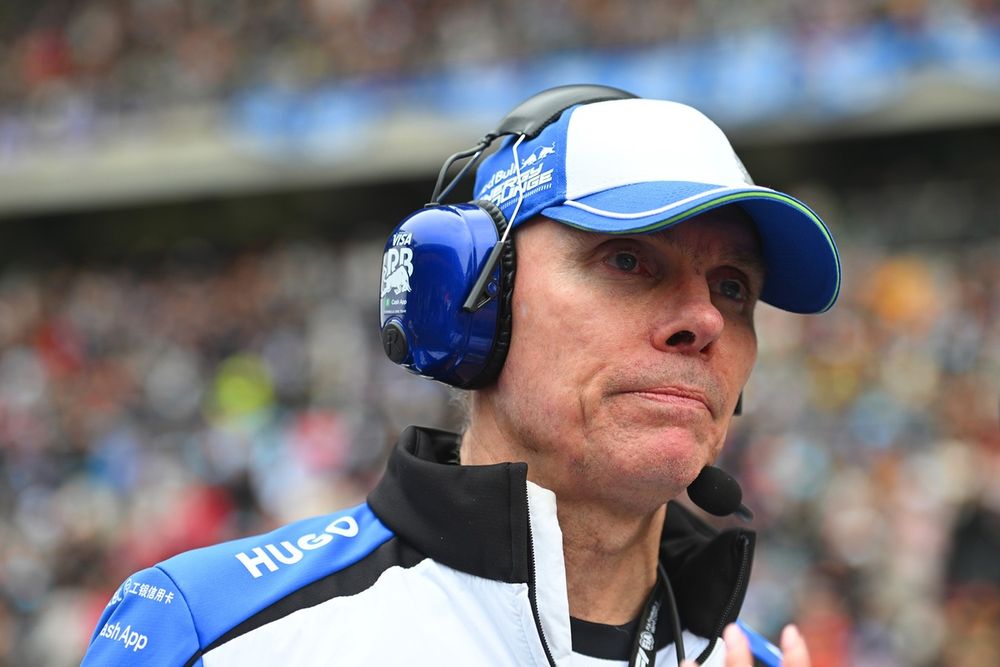
Alan Permane, director of Racing Bulls
Beware of Unintended Consequences
However, Permane warns against what he calls “unintended consequences.” The reduction of electric energy could make certain corners more difficult to navigate, as it would directly affect entry speeds. “We do not want the cars to become significantly slower,” he insists.
Towards an Uncertain but Promising Future
F1 stakeholders are therefore cautious and thoughtful in the face of these regulatory evolutions that are deemed necessary but delicate to implement. The question remains: how far will they go in their adjustments? An initial answer could be provided during the Miami Grand Prix, where everyone hopes to see not only an exciting race but also the result of collaborative work aimed at improving safety without sacrificing spectacle.
In Summary
- Regulatory adjustments are being prepared for 2026.
- Driver safety is at the heart of concerns following the accident in Japan.
- Miami as a testing ground for these new rules.
- A complex schedule poses challenges for teams.
- Unintended consequences must be considered during modifications.