

Formula 1 has made a meaningful change to its 2026 rules, and it centers on one of the biggest worries around the next-generation cars: energy management. After the first real chance to assess the revisions in Miami, Max Verstappen finally had something positive to say about the direction of the rulebook. He is not sold yet, but the FIA and F1 clearly heard the criticism.
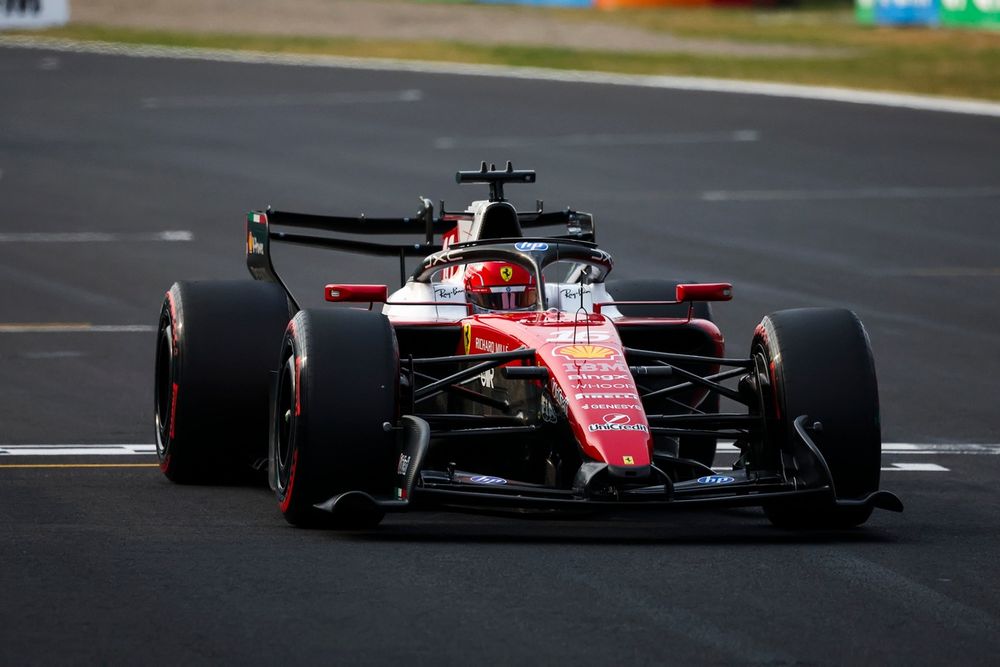
For fans, this is the part that matters most. F1 is trying to fix a future regulations package that several drivers feared could turn qualifying into an energy-management exercise instead of a pure speed contest. This is about more than technical fine print. It affects the show, how easy the sessions are to follow, and how much room drivers have to push.
In partnership with Formula 1 coverage
The FIA is easing up on a 2026 rule that still felt too restrictive
F1’s return after a five-week break gave the series a natural checkpoint. The FIA and Formula 1 used that window to make several adjustments to the 2026 regulations, all aimed at loosening the grip of energy management just a bit.
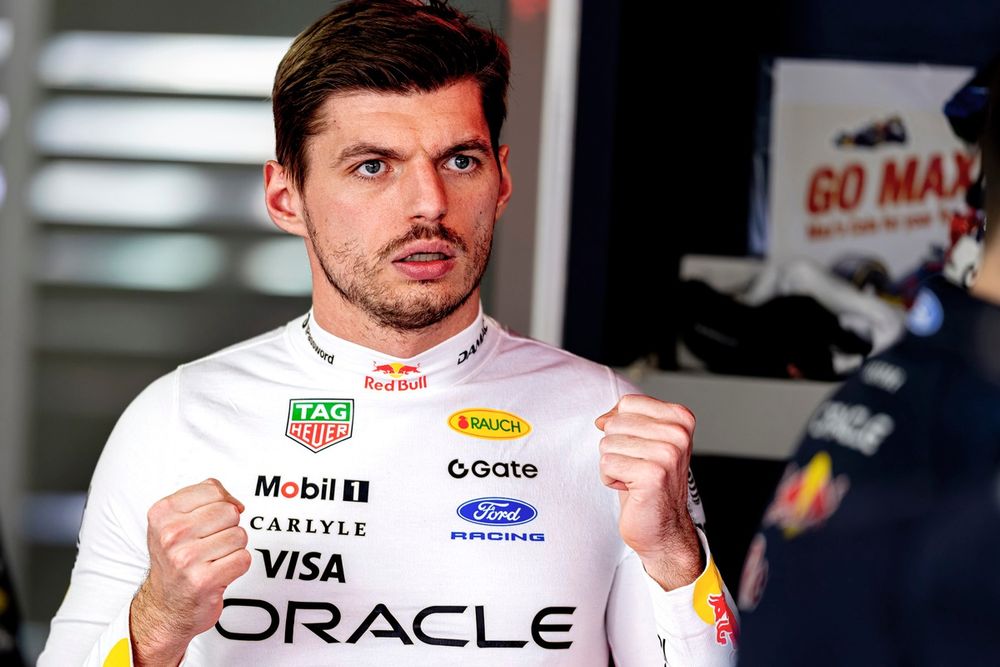
The biggest change is the move to so-called super-clipping at 350 kW. In practical terms, drivers should be able to recover more energy when they attack, which reduces the need to lift earlier or visibly nurse the car through a lap. F1 is not promising completely free-flowing qualifying runs yet, but it is clearly trying to avoid making the fastest laps look like disguised fuel-saving stints.
The issue has never been trivial. Since the 2026 concept became public, energy management has been the main source of concern: too much control, not enough instinct, and a formula that risked putting the battery ahead of the steering wheel. This update pushes in the other direction without rewriting the whole plan.
Qualifying should look a little more like racing
Another notable change is the lower energy-recovery limit in qualifying, a step already used at the Japanese Grand Prix. The goal is to reduce dependence on charging on track. In simple terms, drivers should spend less time managing the battery and more time chasing lap time.
That is where the impact becomes real. In qualifying, every small decision matters. If a car forces the driver to watch the state of charge too closely, the flying lap loses some of its spontaneity. If the restrictions ease up, F1 gets closer to what it has always sold best: a precision contest where drivers attack first and calculate second.
Charles Leclerc, who has been among the louder critics of the new qualifying reality, said the revised approach looked better after testing it in the simulator. His verdict was blunt: “It’s much better,” because drivers can lean more on instinct. For a Formula 1 driver, getting back even a little of that freedom is a real step forward.
Leclerc likes the idea, but he is not calling it solved
The Monegasque still stopped well short of declaring victory. He said some constraints will remain, especially the need to manage energy out of corners. That is the real nuance in this revised 2026 package: it improves certain areas, but it does not eliminate the systems that will continue to shape how the cars are driven.
In other words, the FIA is softening the edges without removing the core challenge. Drivers should have more freedom, but not a blank check. Leclerc made it clear that the real test will come in qualifying, where the full effect of the changes will show up. That caution makes sense. F1 has a long history of promising a better balance on paper and finding out the truth only when the clock starts.
The measured response says a lot about where the sport stands. Drivers are not asking to go backward. They want a rules package that lets speed matter without turning every session into an energy puzzle. These tweaks may be enough to help there.
Verstappen says the fix helps, but he wants more
Verstappen did not suddenly become enthusiastic. He still views the 2026 regulations with skepticism, calling the changes a “small tweak.” In his view, it is not enough to allow drivers to attack flat out. The message was blunt, but clear: yes to correction, no to pretending the problem is solved.
He also said it is difficult to get everyone on the same page. Even so, he was direct about wanting “very, very big changes” for next year. Verstappen is not rejecting the idea of reform. He just thinks the first step is too small.
What stood out most was his point about being listened to. For him, the real progress is that drivers are being consulted more seriously. In a sport as technical and political as F1, that may be almost as important as the rule itself.
The bigger win may be the process, not just the rule
Verstappen also pointed to the positive meetings between the teams, F1, and the FIA. He sees the communication as a useful starting point. That does not mean a full reset is coming, but it does mean the people behind the wheel now have more influence over the shape of the next rules package.
That is more than just paperwork. In Formula 1, regulations matter not only for what they allow or restrict, but for how they are built, debated, and adjusted. On that front, the paddock appears to understand that a future rules set cannot be written without input from the drivers who actually feel the cars at speed.
Pierre Gasly made a similar point. The Frenchman praised the best communication he has had in some time. He said driver involvement matters because they are the ones who truly feel the car in every situation. It is a basic truth, but one that has not always been treated with enough care.
What the 2026 debate says about Formula 1’s next step
This latest 2026 debate says more than the super-clipping change alone. Formula 1 is still trying to find the right balance between technology, spectacle, and clarity. Push too far into energy complexity, and the sport risks losing fans. Simplify too much, and it can lose part of what makes it technically compelling. That balance is the whole game.
The latest revisions do not close the argument. They make it healthier, though, by showing a championship willing to adjust before it gets trapped by its own decisions. That is modest progress, but it is still better than a rules package locked in by pride.
- The FIA and Formula 1 have revised the 2026 rules around energy management.
- Super-clipping now goes to 350 kW, with the aim of allowing more natural driving.
- Qualifying should feel less like a charging exercise and more like a proper chase for lap time.
- Charles Leclerc sees an improvement, but says the drivers will still have to manage some constraints.
- Max Verstappen calls the update useful, but still too limited.
- The biggest positive may be off-track: drivers appear to be getting more of a voice.


