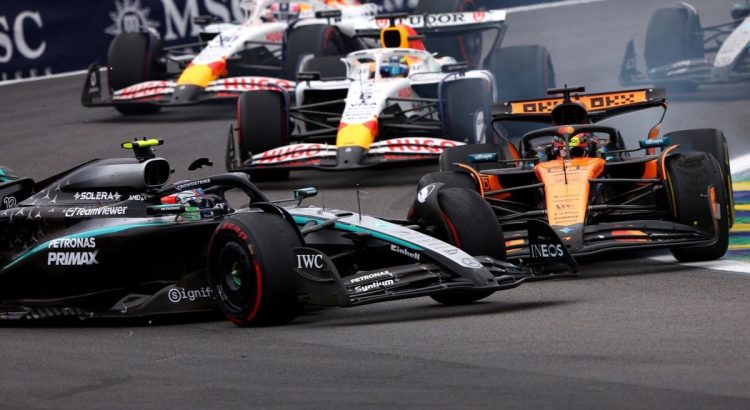
As the 2026 Formula 1 season approaches, the FIA is undertaking a crucial reform of its driving standards. Following tensions from the previous season, particularly surrounding the Piastri/Antonelli incident, the new directives aim to clarify the rules of engagement and restore trust among drivers and teams.
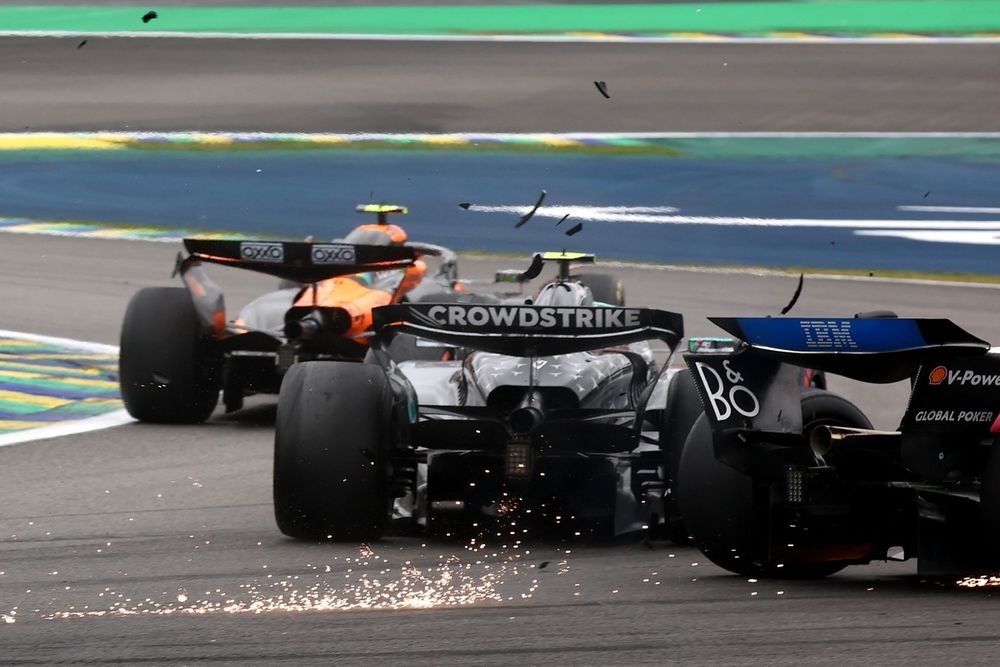
Incidents That Spark Debate
The 2025 São Paulo Grand Prix was the stage for a controversial collision involving Oscar Piastri, Kimi Antonelli, and Charles Leclerc. This triple incident not only cost Leclerc the race but also highlighted the shortcomings of the existing driving standards. The ten-second penalty imposed on Piastri ignited an uproar, with Carlos Sainz, director of the Grand Prix Drivers’ Association (GPDA), calling the decision “unacceptable.” This controversy acted as a catalyst, prompting the FIA to reassess its guidelines.
A Much-Needed Response
The newly released directives are the result of a collaborative effort between the FIA, teams, and drivers. While they lack the force of law, they establish a framework for on-track behavior and how officials should handle incidents. In essence, the FIA is trying to strike a balance between spectacle and safety while clarifying expectations for drivers. This could transform race dynamics, as drivers will need to navigate more cautiously to avoid penalties deemed severe.
What Does This Mean for Drivers?
These new guidelines are likely to change how drivers approach on-track battles. With an emphasis on incident interpretation, drivers may adopt a more conservative strategy. In simple terms, the era of daring maneuvers could be coming to an end, at least in the immediate future. This might also influence team strategies, which will need to adjust their racing tactics according to the new rules. The question remains: will this increased caution detract from the excitement of racing?
Increased Pressure on Officials
Race officials are also under the spotlight. With redefined standards, their interpretation of incidents will be scrutinized more closely. They will have to balance strict rule enforcement with maintaining the spectacle, a delicate balancing act. The impact on their authority could be significant, as every decision will now be analyzed and critiqued more rigorously by drivers and fans alike. Officials will need to demonstrate exemplary rigor to avoid accusations of favoritism or inconsistency.
A Necessary Shift?
The reform of driving standards may be viewed as a defensive maneuver by the FIA. In the face of growing criticism and the need to maintain the sport’s integrity, these new directives aim to restore trust among paddock stakeholders. However, some may see it as an admission of failure on the federation’s part, unable to effectively manage on-track incidents. Consequently, the FIA must navigate carefully to ensure this initiative is perceived as genuine progress rather than a mere reaction to criticism.
A Long-Term Vision
In the medium term, these changes could have repercussions on the driver transfer market and recruitment. If young talents perceive a less permissive environment, it may influence their career decisions in F1. Teams will also need to adapt to this new framework, training their drivers for a more cautious driving style. Ultimately, the impact of the new directives could extend well beyond the 2026 season, reshaping the F1 landscape for years to come.
In Summary
- Revision of driving standards in response to the Piastri/Antonelli controversy.
- Collaboration between the FIA, teams, and drivers to establish new directives.
- Potential impact on drivers’ driving styles and team strategies.
- Race officials under pressure to rigorously interpret the new rules.
- Long-term consequences for the transfer market and driver recruitment.
Conclusion: The FIA’s reform of driving standards marks a turning point in incident management in F1. While it aims to restore trust within the paddock, it also raises questions about the sport’s future. Who benefits from these changes? Will fans appreciate a more cautious F1? The upcoming seasons will reveal the answers, but one thing is certain: the road ahead will be fraught with challenges.