


In a sport where every millisecond counts, managing track limits in Formula 1 has become a real headache. With heated debates and often contested decisions, the FIA has boldly decided to integrate artificial intelligence into its enforcement process. This evolution could transform the racing landscape and the relationship between drivers, teams, and governing bodies.
An Ongoing Debate on Track Limits
For years, the issue of track limits has been at the heart of discussions in Formula 1. Drivers, in pursuit of performance, often flirt with or cross the white lines to optimize their lap times. However, this strategy inevitably leads to controversies, with accusations of exceeding limits piling up. During the 2023 Austrian Grand Prix, the FIA recorded over 1,000 alleged infractions, highlighting the urgent need for a more effective system to manage these situations. This new technological approach could finally put an end to some of these endless debates.
AI: A Solution for an Age-Old Problem
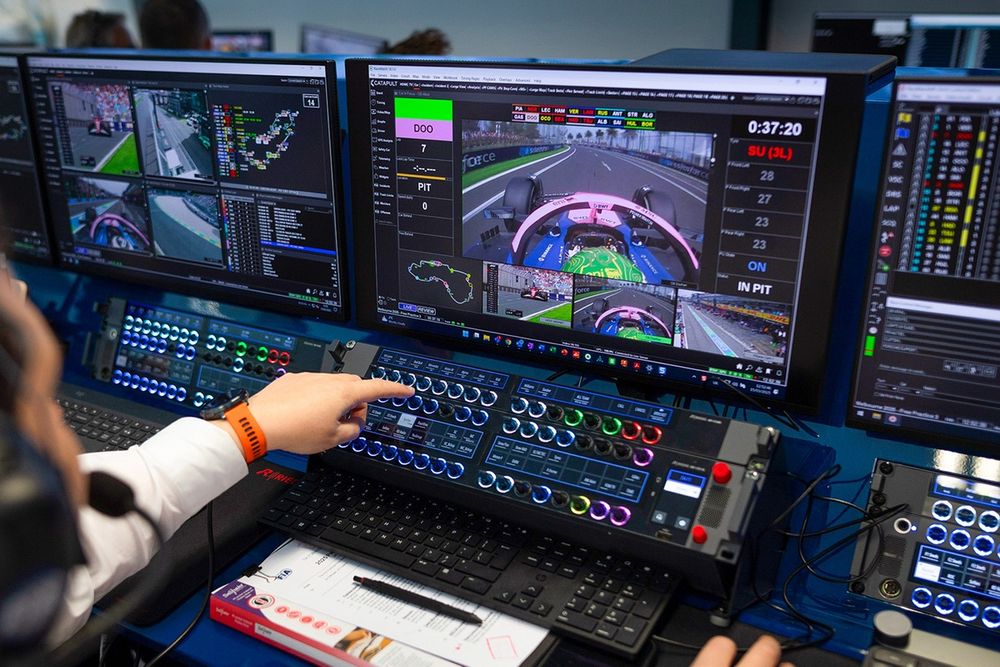
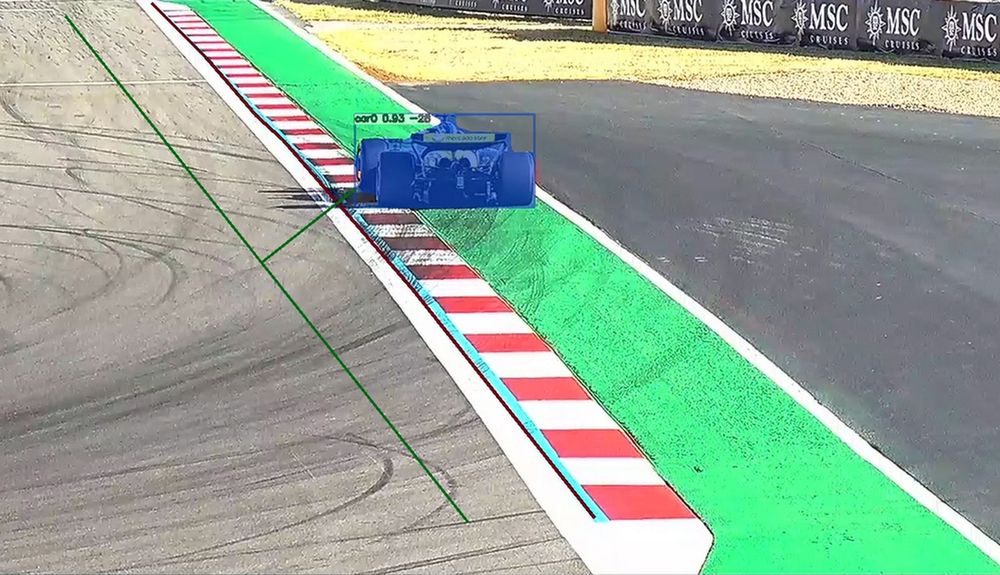
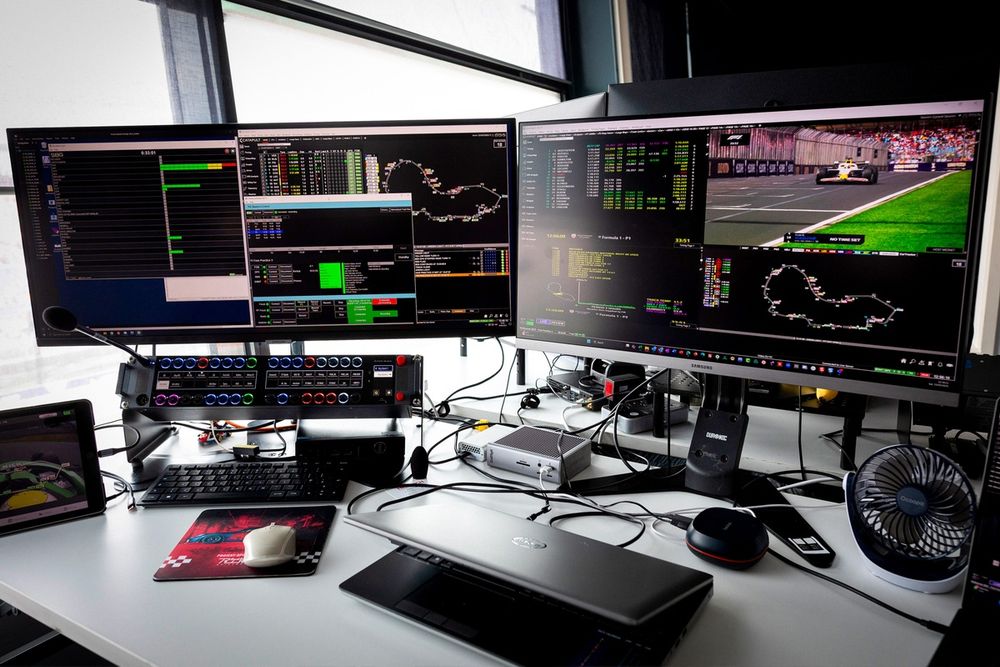
Behind the scenes, the FIA and Catapult have developed a groundbreaking tool that uses computer vision to detect track limit violations. This tool, integrated into the RaceWatch system, automates the detection process and reduces the need for human intervention by 95%. In simple terms, this system not only collects data; it analyzes it in real-time to provide instant feedback to teams. This advancement could change the game in race management.
Transparency and Speed: FIA’s New Advantages
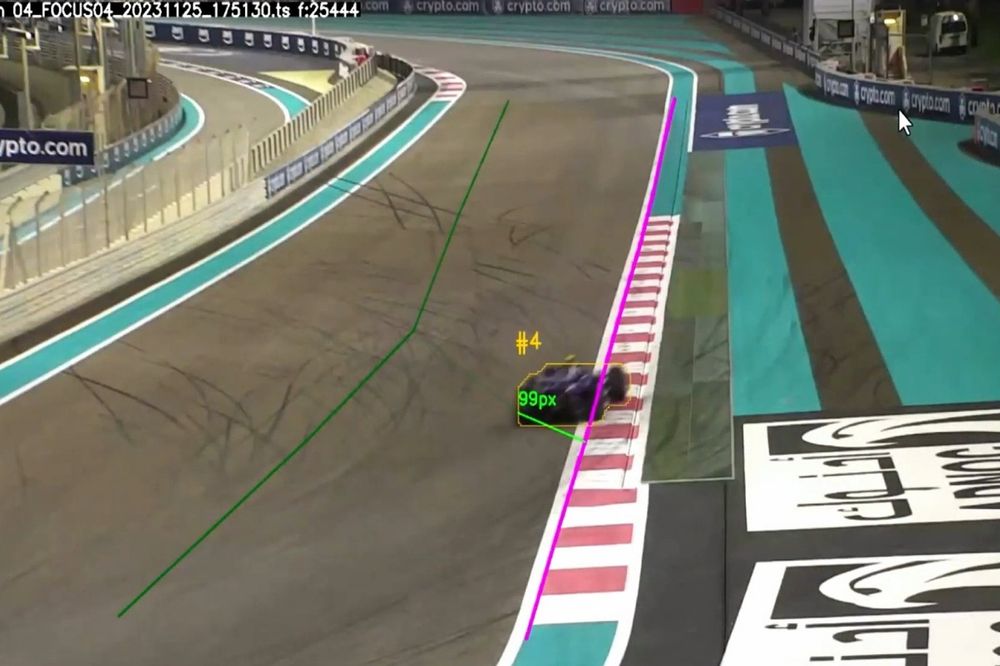
The FIA isn’t stopping there. With this new system, it will be able to send teams images of infractions committed by their drivers directly. This promises to accelerate discussions and reduce time lost in often fruitless debates. Transparency is the key word of this initiative, allowing teams to better understand the decisions made by officials. In practice, this could also help reduce tensions between drivers and teams, who often fight to defend their positions.
A Cutting-Edge Technical Architecture
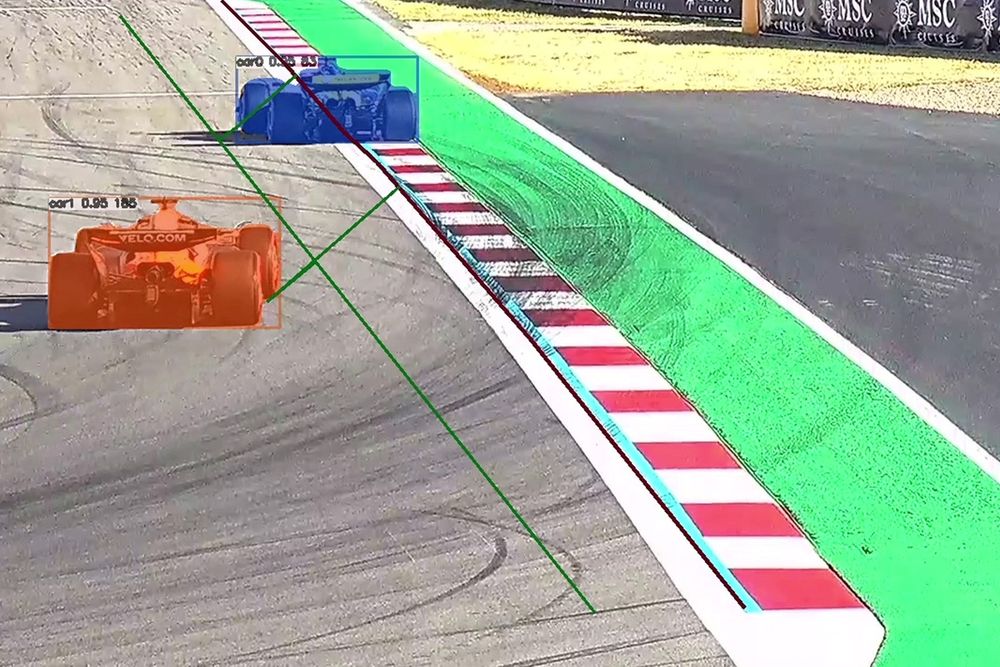
The ECAT (Every Car All Turns) system relies on an innovative approach that compares a car’s behavior to a reference model. This allows for the detection of deviations from the ideal trajectory and instant alerts for potential violations. Chris Bentley, head of information systems strategy for single-seaters at the FIA, emphasizes that this method will enable not only faster but also more precise analysis of on-track behaviors. By integrating multiple data sources, the FIA can now create a “digital twin” of the circuit, providing an unprecedented overview.
The Stakes of Precision and Subjectivity
With the arrival of this AI-based system, the question of subjectivity in evaluating track limits could be resolved. Gone are the varied interpretations of officials; now, algorithms will determine if a violation has occurred. This could enhance the credibility of decisions made during races, but it also raises questions about increased reliance on technology. If the system fails or produces errors, what will be the consequences for race outcomes?
An Innovation Redefining Team Roles
This technological evolution doesn’t only concern the FIA; it also impacts Formula 1 teams. By receiving real-time information on infractions, teams will need to adjust their strategies accordingly. This could lead to a new dynamic between drivers and engineers, where each race becomes more of a data analysis battle than a simple speed contest. The real issue is that this innovation could redefine how teams approach each Grand Prix.
In Summary
- Managing track limits in F1 becomes more precise thanks to AI.
- The FIA and Catapult launch an automated tool to reduce controversies.
- Transparency and speed are at the heart of this new approach.
- The ECAT system allows for real-time analysis of car behavior.
- This innovation could transform the relationship between drivers, teams, and the FIA.
This shift towards a more technological management of track limits raises a crucial question: how ready will Formula 1 be to embrace this new era? For motorsport enthusiasts, the future looks exciting. The upcoming seasons could see a completely renewed dynamic, where technology and data analysis play a central role in teams’ success. However, it remains to be seen how this transition will be received by the sport’s traditional stakeholders.


