

Mohammed Ben Sulayem, the current president of the FIA, is reportedly looking to remove the term limits that govern his tenure. If successful, this move could fundamentally alter the governance of the world’s motorsport governing body.
Towards an Endless Reign at the FIA Helm?
The governance of the Fédération Internationale de l’Automobile (FIA) could be on the verge of a significant shift. According to reports from the BBC, confirmed by Motorsport.com, current president Mohammed Ben Sulayem is spearheading an initiative to scrap the rule limiting presidential terms. The 64-year-old Emirati, already set to run for a second term after being re-elected unopposed in late 2025, could potentially pave the way for an extended presidency.
The current rule, outlined in Article 20.10 of the FIA statutes, states that “the President of the FIA may not serve more than three terms, consecutive or not, for a maximum duration of 12 years.” This limitation was put in place during Jean Todt’s presidency, who himself adhered to the rule, concluding his third and final term at the end of 2021 after taking the helm in 2009. Before him, Max Mosley led the organization from 1993 to 2009, opting not to seek a fifth term amid disagreements with teams and personal controversies.
Statutory Changes on the Horizon
Mohammed Ben Sulayem’s plan requires an amendment to the FIA’s statutes. This proposal is slated for discussion and a vote at the federation’s General Assembly next month, with approval considered likely. When contacted by Motorsport.com, an FIA spokesperson clarified that a proposal had been presented “to establish a consistent approach to mandates across all FIA bodies, similar to what currently exists for the World Councils and the Senate.” The spokesperson also reiterated that “FIA bodies retain full authority to democratically elect their officials.”.
Indeed, while members of the Senate or World Council are not subject to term limits, other positions within the FIA, such as the presidency of the anti-doping committee or the F1 budget cap committee, are. The revocation of this limit for those functions is also being considered.
When asked by the BBC why this limit would be removed rather than extended to all positions, the FIA spokesperson did not provide a specific answer. However, they cited the example of the American NFL, where Roger Goodell, commissioner since 2006, has transformed the sport into a global brand with “remarkable governance.”
Stricter Candidacy Conditions on the Way
Beyond the issue of term limits, the FIA is also reportedly considering tightening the eligibility requirements for presidential candidates. These measures follow changes implemented before last year’s election, which already contributed to reducing the number of potential contenders. For instance, candidates might soon be required to “demonstrate sufficient experience within an FIA member organization or an FIA body.” Furthermore, the deadline for presenting the list of proposed vice-presidents could shift from 49 days before the election to 100 days.
These two potential changes, if approved, would make it even more challenging for any individual wishing to contest the incumbent presidency. Last year’s election was already marked by a rule mandating the submission of a vice-presidential list drawn from the World Council and the federation’s six regions. The lack of eligible candidates in a specific region (in this case, South America, where Fabiana Ecclestone, already part of Ben Sulayem’s team, was the only option) effectively prevented any serious opposition.
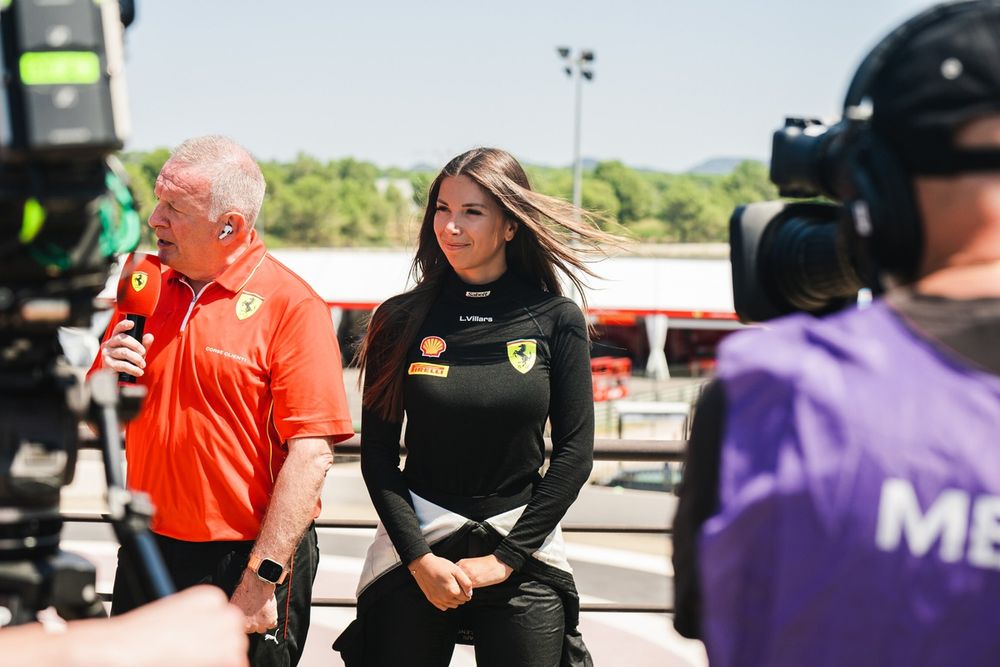
Laura Villars, an unsuccessful candidate in that election, had contested the procedure in court late last year, challenging Mohammed Ben Sulayem’s re-election.
Key Takeaways
- The FIA is considering removing the three-term limit for its president.
- This proposal needs to be voted on by the General Assembly next month.
- Stricter candidacy requirements may also be introduced.
- These changes appear aimed at consolidating the incumbent president’s position.
- A candidate had previously challenged the election in court.
- The future of the FIA’s governance structure is at stake.


