Tensions between Max Verstappen and Formula 1 management are escalating as the Dutch driver voices concerns about the new cars. Meanwhile, F1 CEO Stefano Domenicali is trying to reassure fans and teams, claiming Verstappen is more committed to the sport than ever. However, this situation raises critical questions about the future of racing and how the new regulations will be perceived by drivers.
A Tense Climate but Promises of Dialogue
Since the start of testing for the 2026 season, Max Verstappen has not hidden his skepticism towards the new cars, labeling them as “Formula E on steroids.” This statement sent shockwaves through the paddock. In response, Stefano Domenicali has spoken out to quell fears, stating he has met with Verstappen and other drivers to gather their opinions on the regulatory changes. For Domenicali, maintaining a constructive dialogue with drivers is essential, as their experience is crucial for the future development of the sport.
Verstappen: Between Critique and Commitment
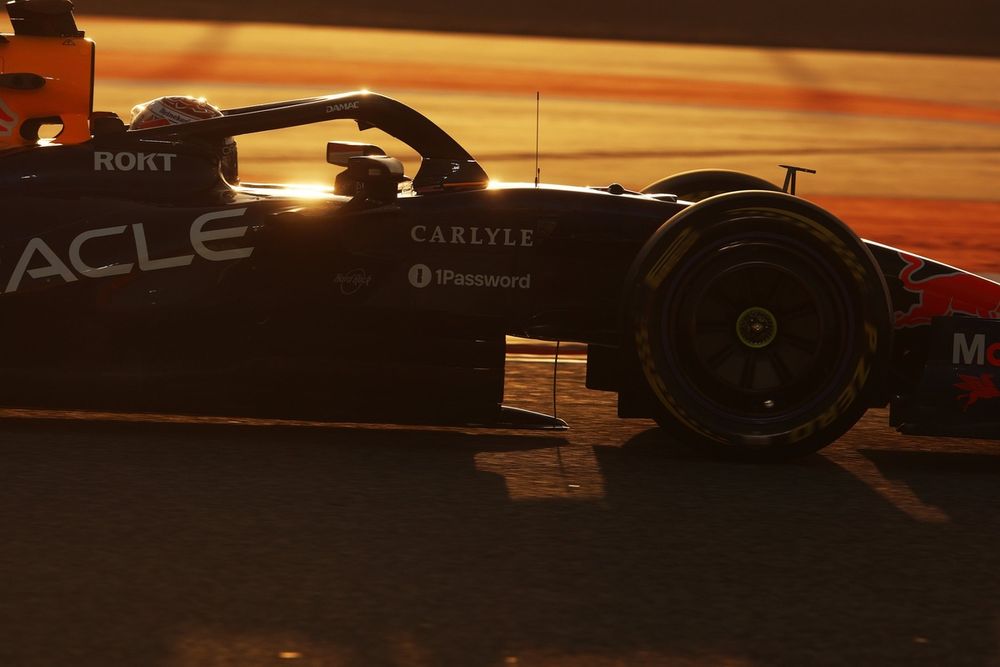
Max Verstappen during Bahrain testing.
During testing, Verstappen maintained his criticisms but was careful to separate his reservations from any potential decision to leave Formula 1. He stated, “Not liking something doesn’t mean I don’t want to do it.” This phrase reveals an interesting duality in the driver: he can be critical while remaining committed. It raises questions about driver motivation in the face of regulations they deem unsuitable. In a sport where passion and adrenaline are at the core of every turn, attachment to the discipline remains a determining factor.
The Challenge of New Cars
The new cars, designed to meet increasing environmental demands, introduce more complex technology. Stefano Domenicali emphasized that this technological evolution requires a different approach to driving. In simple terms, drivers must adapt to cars that do not behave like those they have driven before. For Domenicali, these adjustments are essential to ensure that driving talent remains at the center of the sport, even if it means a steeper learning curve for drivers.
An Uncertain Future for Formula 1
The current situation raises questions about the future of Formula 1. While Verstappen, one of the most talented drivers of his generation, seems determined to stay, it does not guarantee that his teammates or other emerging talents will share this sentiment. The new regulations could discourage some drivers, potentially affecting the competitiveness of the championship. A premature departure of Verstappen would have profound repercussions on F1’s brand image, which has been built around iconic figures.
Reactions from Teams and Fans
Teams are closely monitoring this evolution. Driver feedback on the new cars is crucial for the development of future vehicles. Teams must balance technological innovation with driver expectations to ensure optimal performance. On the fan side, concerns are growing about the direction Formula 1 is taking. Their expectations for spectacle and authenticity could be compromised if the cars stray too far from traditional models.
Conclusion: A Turning Point for Formula 1
As the season begins under a climate of tension, Formula 1 finds itself at a decisive crossroads. While the dialogue between Verstappen and Domenicali is promising, it remains to be seen if it will be enough to quell criticism and ensure a bright future for the sport. The coming years may see adjustments to regulations in response to driver feedback, as well as a redefinition of what it means to be a Formula 1 driver in a rapidly changing world. For now, the show goes on, but the foundations of the sport may well be evolving.