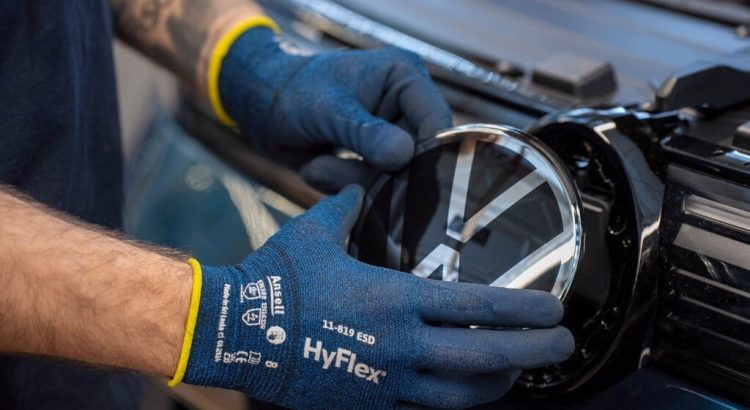
As pressure mounts around Volkswagen’s strategic choices, the German automaker is considering selling its industrial diesel engine division, Everllence. This decision could mark a turning point in its history as the company seeks to refocus its priorities and improve its margins. But is this maneuver truly a solution or an admission of failure in the face of current challenges?

Revealing Internal Tensions
Volkswagen is poised to part ways with its industrial diesel division Everllence for an estimated €8 billion. While this sale may seem paradoxical, it reveals a deeper strategy and difficult choices in a changing market. Everllence, formerly known as Man Energy Solutions, does not produce diesel engines for cars but rather for marine applications and turbines. In short, this business is profitable but secondary compared to automotive priorities. Given the current context, where Volkswagen faces a historic crisis, this sale could bolster its cash reserves and allow it to focus on electric vehicles.

Tough Choices in a Hostile Environment
Since late 2025, Volkswagen has faced a series of challenges: suspension of major electric projects, layoffs, and cost-cutting goals. The volume-based industrial model, particularly in China, is under pressure. Selling a profitable, albeit marginal, business could be perceived as an admission of failure. Yet, in this context, it appears to be a strategic decision. By divesting Everllence, Volkswagen could free up financial resources to invest in more promising areas like software and batteries. This disengagement could thus serve as a means to finance the transition to electric vehicles.
The Diesel Paradox: An Asset Still in Demand
While automotive diesel is declining under political and regulatory pressures in Europe, the sale of a division specializing in industrial engines demonstrates a different reality. Investors still see potential in this sector, attracted by stable cash flows and minimal exposure to technological disruptions. Thus, the potential transaction with investment firms like Blackstone or CVC Capital Partners highlights that diesel, while waning in the automotive realm, remains essential in heavy industry. This isn’t so much a departure from diesel as it is a refocus on activities that can ensure the group’s longevity.
Porsche on the Hunt: An Opportunity for the Group?
The presence of Porsche SE, Volkswagen’s main shareholder, among the potential buyers of the Everllence division raises questions. Why would a major automotive player be interested in a perceived secondary business? This could indicate Porsche’s desire to diversify its investments while supporting Volkswagen’s strategy. Such an acquisition could allow Porsche to integrate technologies and expertise in heavy engines while providing liquidity to Volkswagen for its electrification projects. In summary, this maneuver could strengthen the ties between the two entities while offering crucial financial support.
An Uncertain Future: What Direction for Volkswagen?
With the sale of Everllence, Volkswagen appears to be making a significant course change. However, this strategy does not come without risks. The need to accelerate the transition to electric vehicles while maintaining a delicate financial balance could pose long-term challenges. If the sale of the diesel division temporarily improves cash flow, it will be essential for Volkswagen to turn its ambitions into concrete successes in the electric market. The future of the automaker will depend on its ability to innovate and adapt to new consumer expectations while navigating a turbulent economic environment.
In Summary
- Volkswagen is considering selling its diesel division Everllence for €8 billion.
- This sale could strengthen the group’s cash flow amid a historic crisis.
- Industrial diesel remains an attractive asset despite the decline of automotive diesel.
- Porsche SE could play a key role in this transaction, strengthening the ties between the two brands.
- The future success of Volkswagen will depend on its ability to reinvent itself in the electric market.
Conclusion: Does the sale of the diesel division mark a turning point for Volkswagen or a desperate retreat? For the group, this decision could be a way to refocus on its priorities, but it also exposes upcoming challenges. The automaker’s future will depend on its agility to adapt to market demands and new regulations. It remains to be seen whether this strategy will be sufficient to maintain its position in the global automotive market.