
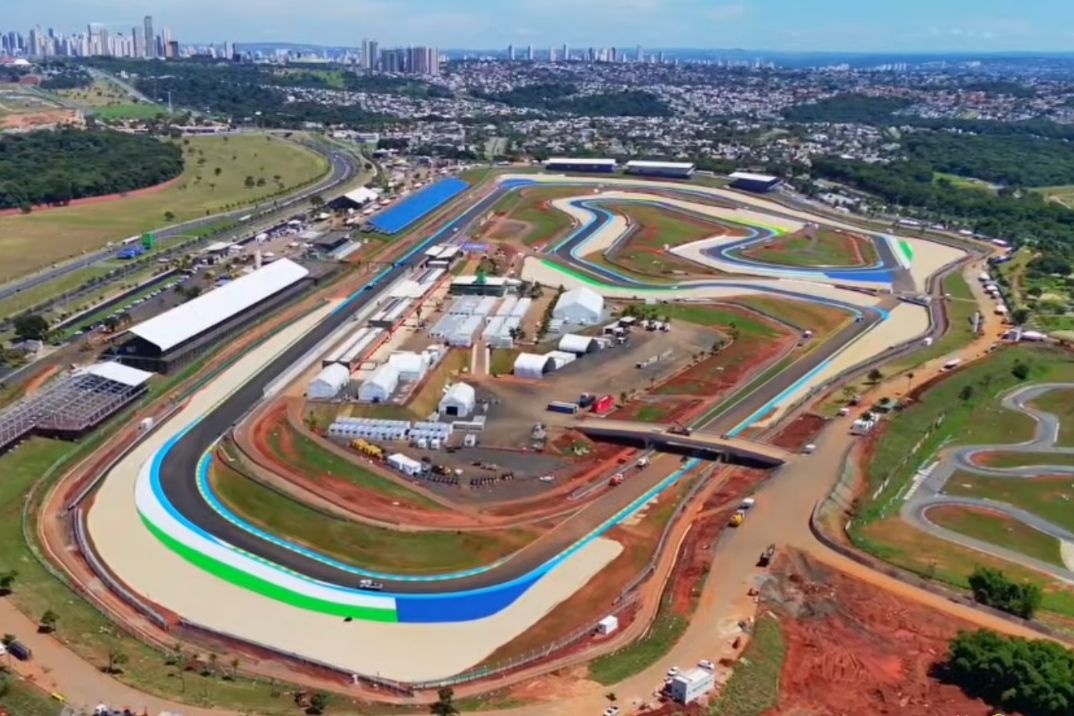
The return of MotoGP to Brazil, after two decades of absence, comes with the rediscovery of a renovated circuit that could well alter the dynamics of the competition. The choice of the Goiânia circuit, with its unique characteristics, seems poised to challenge the dominance of certain riders, particularly Marc Márquez.
A Much-Awaited Renaissance in the World of MotoGP
The Goiânia Grand Prix marks a crucial milestone for MotoGP. Indeed, after a long hiatus, Brazil regains a spot on the calendar, with a circuit that hasn’t seen competition since the 1980s. The renovation work has transformed this racetrack into a modern facility, although the 3.860 km layout remains among the shortest in the championship. For comparison, the Sachsenring, which is also considered a small circuit, measures 3.671 km. This return, far from being trivial, raises the question of the impact of such a layout on rider performance.
An “Anti-Márquez” Circuit That Defies Prejudices
The Goiânia circuit stands out due to its atypical configuration: 14 corners, nine of which turn to the right. Such a layout could prove disadvantageous for Marc Márquez, who is often more comfortable on circuits with a majority of left turns. This characteristic could therefore shuffle the cards in the title fight this season. In short, the Brazilian layout could favor riders who are better adapted to right turns, such as Fabio Quartararo or Jack Miller.
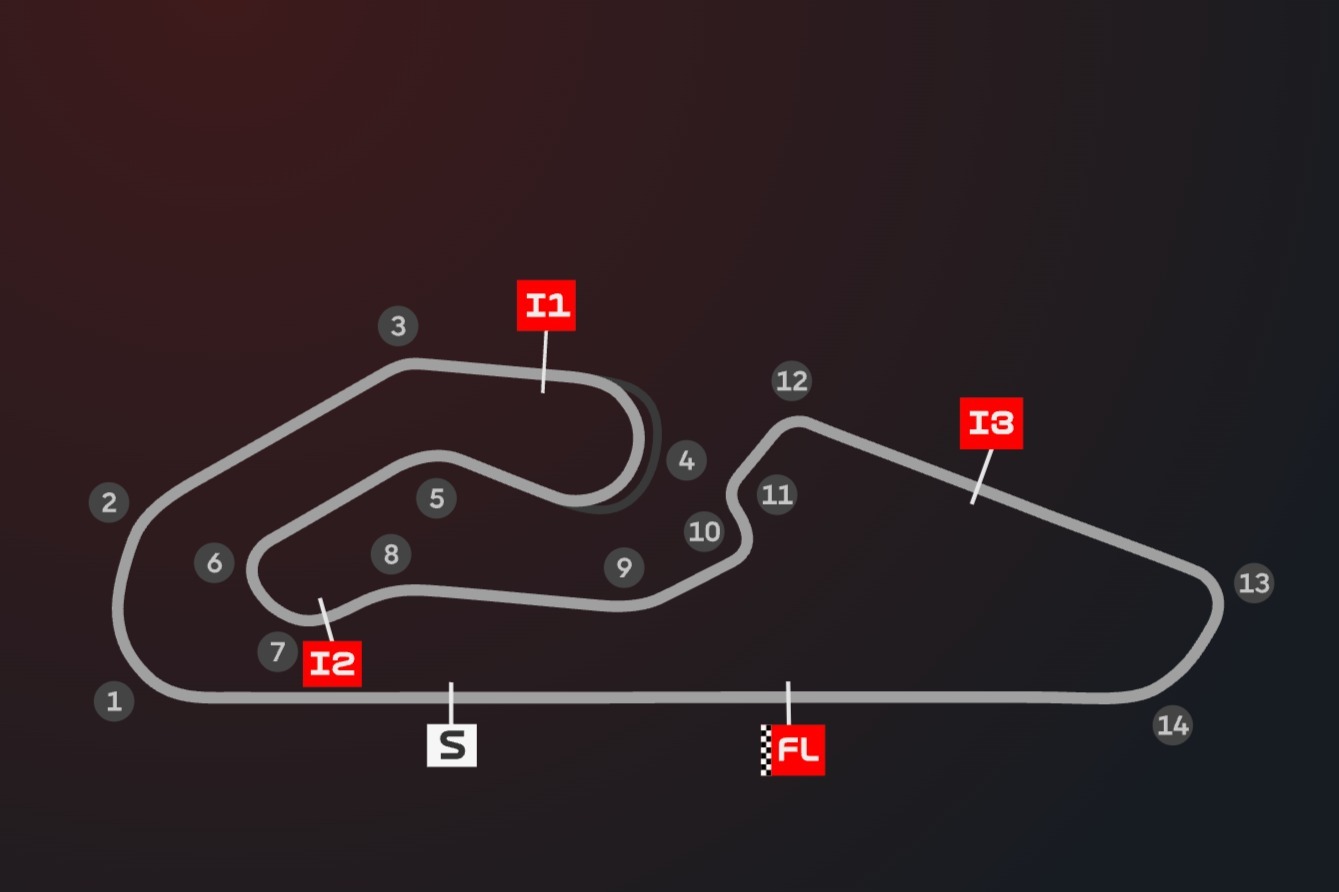
The challenge is all the more interesting as the sequence of corners from 11 to 4 is entirely to the right, making tire management crucial. Riders will need to pay particular attention to the wear on their left side, which will be less stressed and therefore potentially cooler at the entrance to turn 5. Caution is advised here: a cold side can turn into a formidable trap during the early practice sessions.
Last-Minute Work and Uncertain Conditions
The preparations for this Grand Prix have been marked by a race against time. Videos released by Rota Drone Filmes reveal that although the circuit is operational, details still need to be refined. The unpaved access roads are particularly concerning, especially with the forecasted rains. This lack of preparation could lead to tricky track conditions, making practice even more crucial for the teams. Riders will need to quickly adapt to a potentially slippery environment.
An Opportunity for Outsiders
With a layout that favors right turns, the competition could open up to riders who are less often in the spotlight. Indeed, names like Johann Zarco or Aleix Espargaró could seize the opportunity. The diversity of performances could redefine expectations and strategies for the teams. Furthermore, this situation could also encourage riders to rethink their technical and tactical approaches in the face of a circuit that allows no room for error.
The Real Issue is Team Strategy
In this context, tire management and strategic choices will be decisive. Each team will need to adjust its approach based on track conditions and the characteristics of the circuit. Extended practice sessions for the MotoGP category, with one hour of EL1 and an hour and a quarter of practice, will allow riders to test different configurations and settings. This could also lead to surprises during qualifying and the race itself.
In Summary
- Goiânia marks the return of MotoGP to Brazil after 20 years of absence.
- The circuit presents a disadvantageous configuration for Marc Márquez.
- Last-minute work suggests uncertain race conditions.
- Riders will need to adapt their strategy to face the challenges of the layout.
- This Grand Prix could pave the way for outsiders in the title fight.
Useful Conclusion: The Goiânia Grand Prix represents a unique opportunity for riders to stand out in a new and potentially hostile environment. For teams, strategic tire management and adaptation to track conditions will be crucial. This return of MotoGP to Brazil could redefine the dynamics of the competition in the short term, but also influence future choices by organizers regarding the calendar and circuits. It remains to be seen whether this round will have a lasting impact on the image of MotoGP and on the rivalry among riders.


