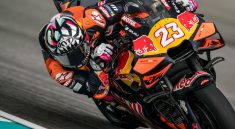
Tension was palpable at the Thailand GP, where Jorge Martín’s performance faced scrutiny over potential technical non-compliance. Specifically, concerns arose regarding the pressure of his front tire, leading to an investigation that could have cost him his fifth-place finish. However, after checks, it was determined that the issue stemmed from a leak, raising questions about the rigor of regulations in MotoGP.
A High-Stakes Investigation
During the Thai sprint, race officials initiated an inquiry after sensors detected low pressure in Martín’s front tire. This situation could have triggered an automatic penalty, often a strategic disadvantage in a championship as tight as MotoGP. Ultimately, the commissioners cleared the Aprilia rider, but this incident highlighted the gray areas surrounding technical regulations. The real issue is how these incidents are managed.
Disturbing Precedents
This isn’t the first time a rider has escaped punishment for tire pressure issues. At the 2024 Indonesian GP, Pedro Acosta faced a similar leak. Such incidents raise concerns about the reliability of the sensors and monitoring systems used during races. Last year, the Brno sprint was marred by errors in data provided to race control, leading to unjustified investigations. These repetitions underscore a regulatory ambiguity that could impact competitive fairness.
Martín’s Sensations

In this tense atmosphere, Jorge Martín sensed a problem during the race. Noticing unusual feedback from his front tire, he strategically decided to let Ai Ogura pass to preserve his race integrity. “I had to slow down a bit because I wasn’t feeling very good with the front,” he stated. This decision proved crucial, as riding in another rider’s slipstream can increase tire temperature and, consequently, pressure. Martín displayed undeniable tactical intelligence.
Pressure: A Crucial Issue
Regulations mandate that minimum tire pressure must be maintained for a certain duration, making such incidents potentially catastrophic for riders. In MotoGP, where every millisecond counts, a simple technical error can lead to dramatic consequences in the overall standings. Teams must remain vigilant and anticipate such issues to avoid finding themselves in a precarious situation. In practice, managing tire pressure has become a major strategic concern.
Season Implications
This type of incident can have significant repercussions for the ongoing season. If riders and their teams cannot rely on clear regulations and reliable systems, it could affect their confidence and approach in upcoming races. Martín’s situation may also inspire other riders to adopt a similar approach when facing technical issues, potentially leading to a series of tactical decisions influenced by the fear of penalties. The championship could thus become a balancing act between performance and caution.
In Summary
- Jorge Martín escaped a penalty after technical checks at the Thailand GP.
- Tire pressure incidents raise questions about the rigor of MotoGP regulations.
- Similar precedents highlight regulatory ambiguity that could harm competitive fairness.
- Tire pressure management has become a crucial strategic issue for teams.
- Riders’ tactical decisions may be influenced by the fear of penalties.
In conclusion, the incident surrounding Jorge Martín highlights a critical issue in the MotoGP world: the balance between performance and regulatory compliance. Teams must navigate an environment where every detail matters, and tire pressure is just one example among many. In the medium term, this situation is likely to prompt governing bodies to review their protocols to ensure greater transparency and fairness within the championship. Competitors will need to double down on their efforts to adapt to this ever-evolving reality.