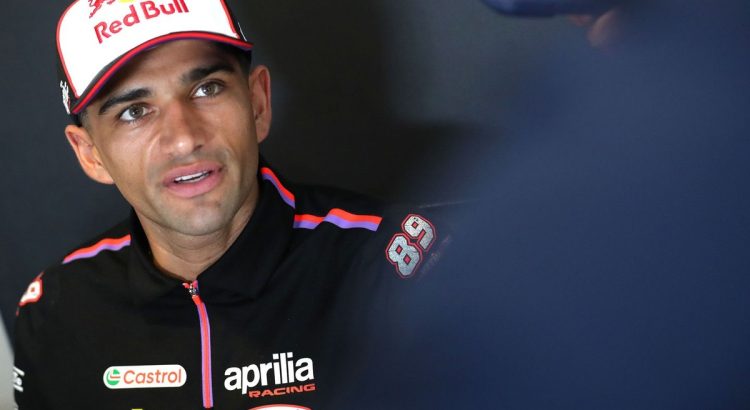
After a lengthy absence due to injuries, Jorge Martín is making his return to MotoGP with measured ambitions. As he prepares for the championship, the Aprilia rider must balance the eagerness to perform with the need to protect his body. This situation raises important questions about how injured riders are managed in a high-intensity sport.
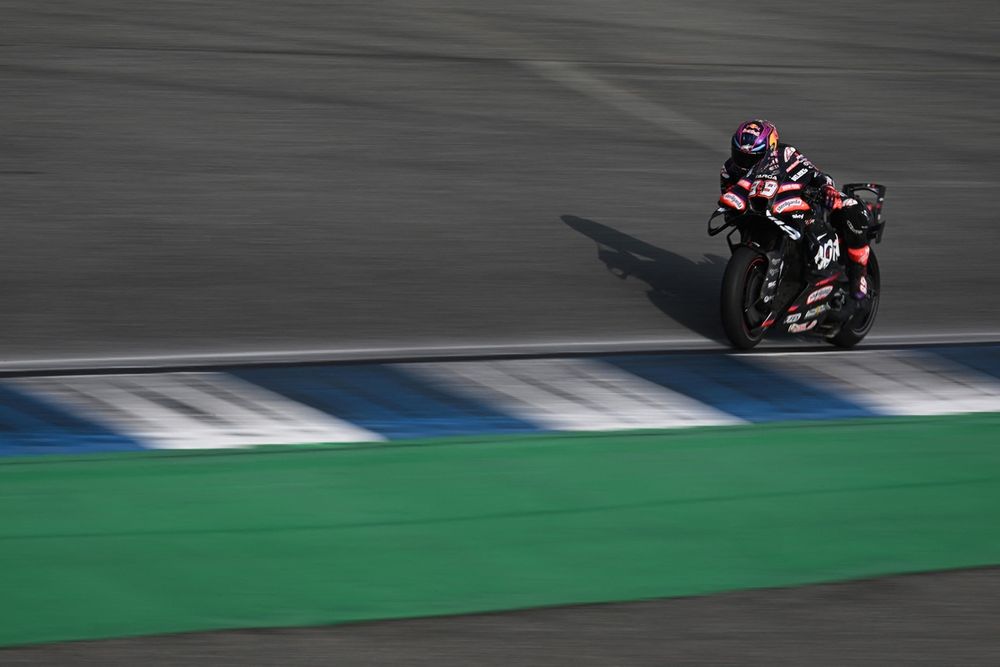
A Long-Awaited Return to the MotoGP Scene
Jorge Martín has finally returned to the track after months of rehabilitation. Having undergone surgery on his hand and shoulder, the Madrid native watched his competitors train without him. His comeback during the recent winter tests was marked by intense fatigue, but also satisfaction with his body’s response. “I was super tired, but that’s a good sign,” he confides, emphasizing that this residual pain is the price to pay for regaining his level. Indeed, this fatigue can be seen as a necessary step in the rehabilitation process.
A Delicate Balance Between Ambition and Caution
Martín is acutely aware of the risks associated with a premature return. “I want to be smart in my approach,” he states. This caution is especially crucial in a sport where margins for error are razor-thin. Injury management is a major issue in MotoGP, where riders often face high expectations while navigating a fragile line. Martín’s case serves as a reminder that determination must be tempered with wisdom.
Lessons from the Past for a Brighter Future
The Aprilia rider seems to have learned from his past experiences. “Last year, I tried to do more than I could,” he admits. His willingness to avoid past mistakes shows a growing maturity. In such a competitive environment, the ability to assess one’s limits is essential. Martín knows he must focus on adapting to his bike while avoiding unnecessary risks that could jeopardize his return.
Challenges of the Calendar and Competition Pressure
The busy MotoGP calendar leaves little room for error. Riders must string together races, complicating injury management further. Martín will have to navigate the demands for performance while preserving his health. The pressure is even greater knowing that each race is a precious opportunity to score points and prove his worth. “The test is the test, and the race is the race,” he reminds, highlighting the crucial difference between testing and actual competition.
An Adaptation Strategy Amidst Fierce Competition
Martín’s return comes at a time when competition is fiercer than ever. Riders must not only be fast but also strategic. “We can always be optimistic,” he says, while acknowledging the importance of adapting to the bike’s settings. This adaptability will be crucial for competing against riders in peak form. The challenge for Martín will be to capitalize on his strengths while mitigating the effects of his physical fatigue.
In Summary
- Jorge Martín has made a return to the track after several months away.
- His injury management reflects a strategic and thoughtful approach.
- The pressure of competition and a busy calendar complicate his comeback.
- Martín is focusing on adaptation and caution to avoid past mistakes.
- The competitive context demands constant vigilance in his performances.
For Jorge Martín, the challenge is not just to regain his pre-injury level, but to do so intelligently. His cautious approach could serve as a model for other riders facing similar challenges. In the medium term, this return could influence not only his career but also perceptions around injury management in MotoGP, a sport where performance and physical health are often at odds.