

After a Grand Prix marred by spectacular crashes and chaotic restarts, Aprilia Racing CEO Massimo Rivola is sounding the alarm. He’s advocating for a revamp of sporting regulations to better channel rider aggression and prevent dangerous situations, while still acknowledging their daring.
The Spectacle at What Cost? Rivola Questions the Price
Aprilia Racing CEO Massimo Rivola didn’t mince words following the recent Grand Prix. For him, the spectacle put on by MotoGP riders, as phenomenal as it is, is reaching a dangerous limit. He compares his riders to “lions in cages” who, once unleashed, give everything without restraint. While this fiery spirit drives their success, it can also lead to missteps, as evidenced by recent incidents. Rivola is therefore calling for deep reflection on the sporting regulations, not to stifle the show, but to better manage this overflowing energy in the name of safety. The conclusion is clear: a healthier balance must be found between pure performance and risk management.
“Lions” to Tame: Rivola’s Proposal
Massimo Rivola wants a tightening of the sporting regulations. The idea isn’t to make races boring, but to channel the inherent aggression of top-level competition. He believes that riders, driven by a constant desire to be at the front and win, can sometimes cross reasonable limits. This natural “fire,” exacerbated by race formats and constant pressure, deserves special attention. According to him, firmer race direction and clearer rules on acceptable behavior could help reduce the risk of collisions and crashes, thereby protecting the physical integrity of competitors.
Restart Under Tension: Should the Approach Change?
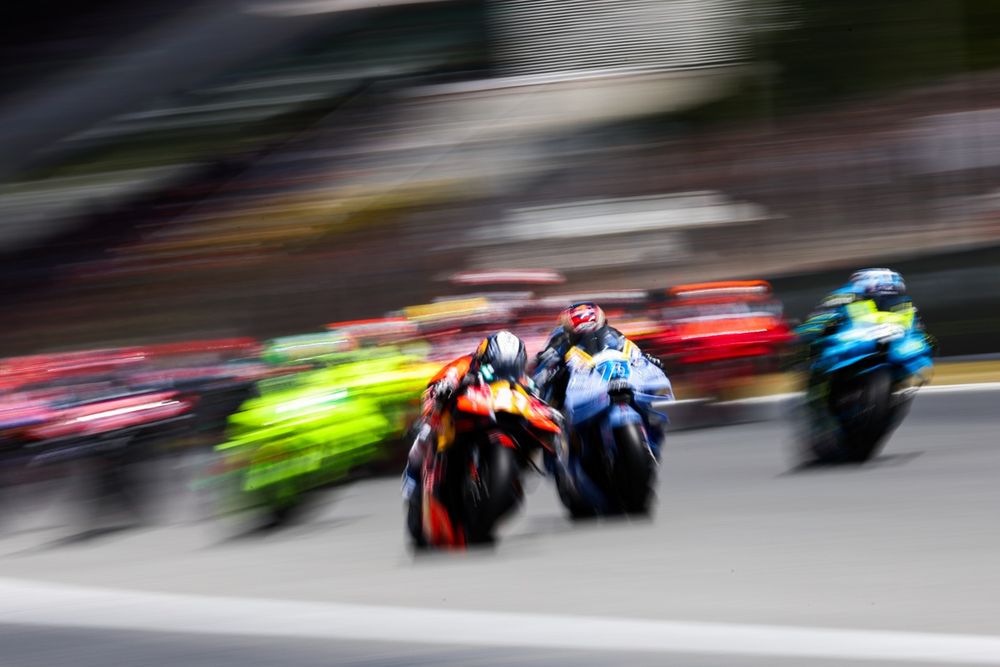
The incident involving Zarco, Marini, and Bagnaia during the first restart particularly struck Massimo Rivola. Rather than altering the starting grid to reduce speed into the first corner, he believes the problem lies in the approach to restarts themselves. After a race interruption, he feels a bit more calm and restraint from the riders is a legitimate expectation. He suggests that stricter application of rules by race direction could encourage riders to approach these critical moments with more caution. The goal is to make it understood that, even in the urgency of sport, safety comes first.
Pedro Acosta, a Case Study for the Regulations
The Pedro Acosta situation, where a technical issue led to a red flag before he could resume the race and potentially fight for the win, raised another question for the Aprilia executive. Rivola points to an “incongruity” in the current regulations: allowing a rider, even through no fault of their own, to restart after causing a major interruption and then compete for the podium or even victory. He calls for a revision of this rule, suggesting that causing a red flag, regardless of the reason, should have more significant consequences on the rider’s participation in the remainder of the race. It’s a matter of sporting principle.
The Need for More Precise Regulations
Massimo Rivola concludes his analysis with a clear call for an improvement in MotoGP’s sporting regulations. This isn’t about criticizing the current race direction, but about recognizing that the sport evolves and rules must adapt. The riders’ “fire,” their desire for performance, and unforeseen situations like red flags require a more precise and potentially more binding framework. The intention is to ensure the spectacle remains intense, but above all, safe for all track participants. The reflection has begun, and it is now up to the FIM and governing bodies to translate these calls into concrete actions.
- Assess the real impact of red flags on rider participation.
- Strengthen race direction’s strictness during restarts.
- Find a better balance between sporting aggression and safety.
- Adapt regulations to technological advancements and riding styles.
- Foster constructive dialogue between riders, teams, and organizers.
- Ensure the spectacle’s longevity without compromising competitors’ physical integrity.
[Acosta]


