

The Japanese Grand Prix highlighted alarming safety issues in Formula 1, reigniting concerns among drivers. After Oliver Bearman’s accident, Carlos Sainz, director of the Grand Prix Drivers’ Association (GPDA), has been particularly vocal about the dangers related to speed differentials between the cars. Could his anger lead to regulatory changes?
A Crash That Could Have Been Fatal
Oliver Bearman’s accident during the recent Japanese Grand Prix shocked the Formula 1 community. While attempting to overtake Franco Colapinto’s Alpine before the Spoon curve, Bearman went off track at over 300 km/h, resulting in a crash measured at 50 g. Fortunately, the young driver emerged with only minor injuries. But for Carlos Sainz, this situation was predictable. “It was just a matter of time,” he stated, emphasizing that drivers had already warned the FIA and FOM about the dangers posed by the current regulations.
Concerning Approach Speeds
This Sunday in Suzuka, drivers expressed their fears regarding the speed differentials between the cars, exacerbated by different energy management strategies. Sainz explained that the use of boost could lead to differences of 30 to 50 km/h between two cars at the same spot on the track. A situation that can only lead to inevitable collisions, as evidenced by the recent accident. “Imagine what would happen in Las Vegas or Baku, with walls close by and no run-off areas,” he added, highlighting the potential danger on street circuits.
A Call for Regulatory Action
For Sainz, the five-week regulatory break following this Grand Prix could be the ideal opportunity to rethink the current rules. “This period is crucial for Formula 1 to reconsider its priorities,” he stated. He also expressed his dissatisfaction with the inaction of governing bodies: “We need a better solution to avoid these extremely high approach speeds.” Sainz hopes this accident will serve as a lesson for teams and officials to finally recognize the stakes of safety.
“No Discipline in the World” Has Such Speed Differentials

Gabriel Bortoleto in front of Carlos Sainz during the Japanese GP.
In front of the media, including Motorsport.com, Sainz insisted on the current inadequacy of the regulations: “There is no discipline in the world where such speed differentials are observed when approaching a corner. That’s where accidents happen.” He called on the authorities to listen to the drivers rather than the teams, emphasizing that a more human approach to driving could improve not only safety but also the spectacle on the track.
Sainz Critiques the Quality of Races
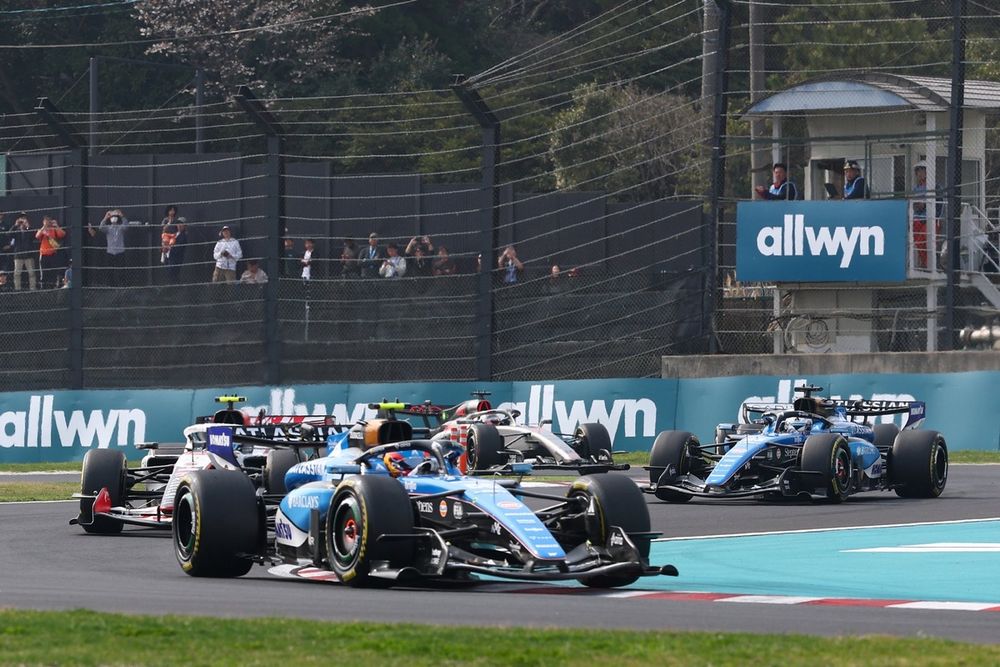
Carlos Sainz does not appreciate overtakes in this new era of F1.
The issue raised by Sainz is not only about safety; it also concerns the quality of the races themselves. “I’m not an engine expert, but we need to find a solution,” he stated in an interview with ESPN. For him, it’s not just about improving safety but also about enhancing the spectacle and enjoyment of the races. “I’m willing to be slower if it means having more interesting and safer races,” he added.
He also criticizes the fact that what is presented as overtakes in current F1 resembles more of an acceleration game than a true battle between drivers. “It feels more like a highway where you hit the boost and overtake if you want,” he laments. For Sainz, this demonstrates an urgent need for regulatory reform to restore the competitive essence of racing.
In Summary
- Oliver Bearman’s accident raises questions about safety in F1.
- Carlos Sainz calls for an immediate review of current rules.
- The speed differentials between cars represent an increased danger.
- Sainz also criticizes the quality of current races.
- Drivers demand more listening and action from governing bodies.


