
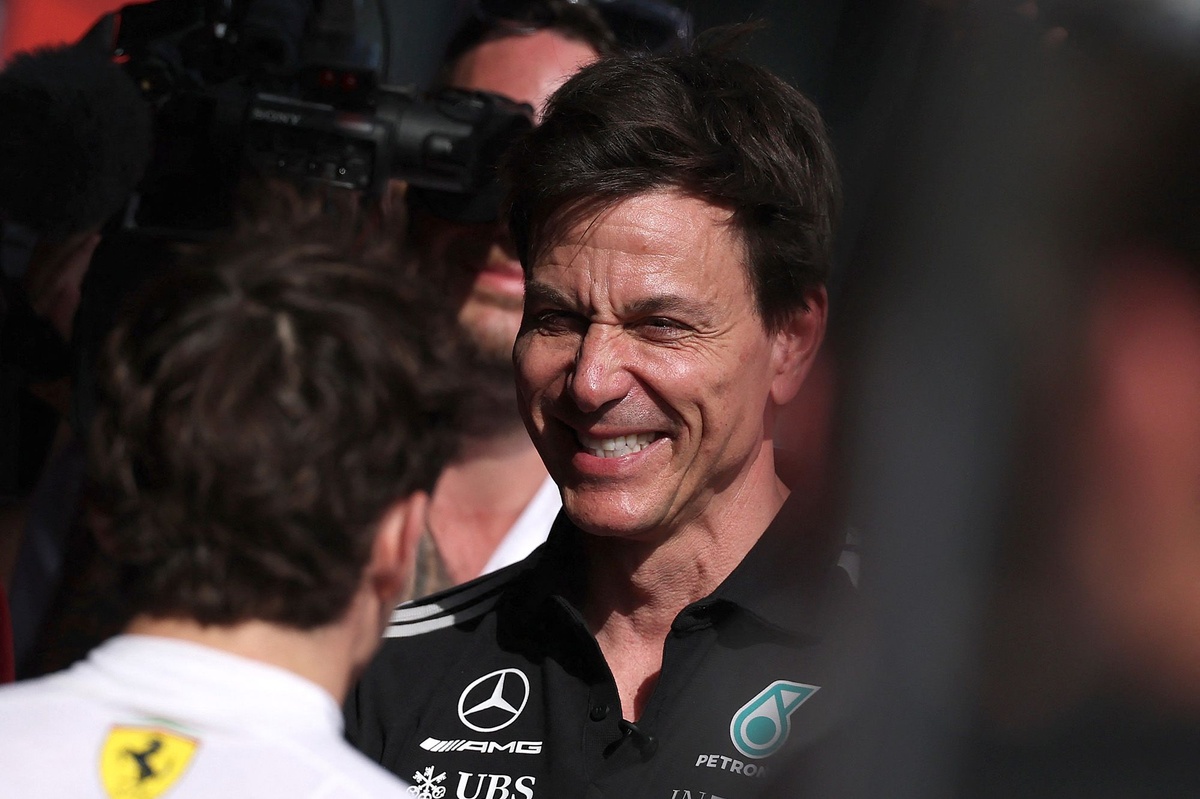
As the 2026 Formula 1 season kicks off amidst uncertainty, Toto Wolff, Mercedes’ team principal, has made a bold statement. While drivers voice concerns over the new technical regulations, Wolff insists that fan opinions take precedence over those of the racers. This stance marks a pivotal shift in F1’s strategy, moving away from a driver-centric approach towards a more entertainment-focused vision.
A Tense Technical Revolution
This season, Formula 1 is undergoing a radical transformation with the introduction of a hybrid powertrain, where the thermal engine and electric components share the load. This technical choice has not only altered on-track performance but also changed the driving dynamics. Drivers now juggle complex energy strategies, leading to unprecedented driving behaviors like super clipping and lift and coast, particularly on the challenging Melbourne circuit.
In essence, races are no longer solely about pure speed; energy management plays a crucial role, creating a new dynamic. The implications for competitiveness are undeniable, yet this complexity frustrates drivers who struggle to adapt to this new reality.
Drivers’ Dissenting Voices
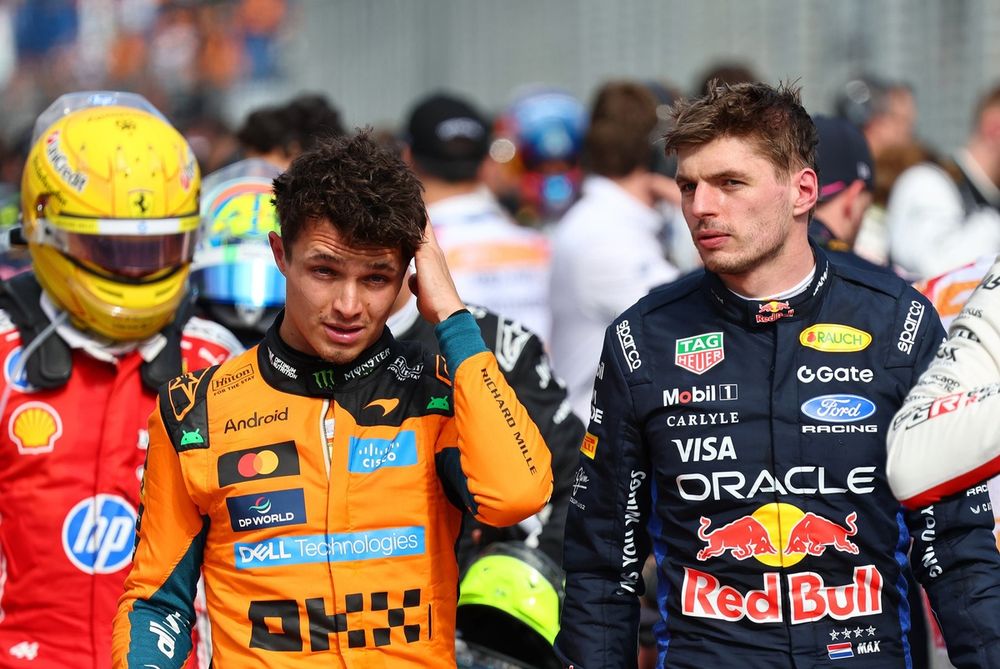
The Australian Grand Prix highlighted a rift between drivers’ expectations and the direction taken by governing bodies. Iconic figures like Lando Norris and Max Verstappen have openly expressed their dissatisfaction, labeling the new F1 cars as the “worst to drive.” This disillusionment is particularly striking coming from drivers accustomed to high performance and driving enjoyment.
Conversely, some, like Lewis Hamilton, maintain a more optimistic outlook, arguing that the new regulations need time to settle. This divide within the paddock raises questions about F1’s immediate future. The tension between the desire for spectacle and the authenticity of driving could become a major issue in the coming months.
Wolff and the Fans’ Voice
Toto Wolff quickly responded to the criticism, emphasizing that the very essence of F1 lies in the spectacle it offers to fans. He argues that drivers often have a nostalgic view of previous generation cars, which were not without flaws. He states, “We need an exceptional show, the best cars in the world, and the best drivers.” This declaration reveals a desire to reposition F1 as a product primarily aimed at the general public.
However, this strategy raises concerns: by siding with fans, could F1 alienate the drivers whose expertise is essential to the sport’s DNA? As the balance between performance and spectacle becomes more delicate than ever, the answer to this question could redefine the competitive landscape of the discipline.
A Necessary Flexibility
Wolff emphasizes that F1 must be ready to adapt based on feedback from both drivers and fans. This flexibility could prove crucial in an environment where expectations evolve rapidly. Potential regulatory changes would thus be considered with pragmatism.
In practice, this adaptability could allow F1 to navigate through current turbulence. However, care must be taken not to sacrifice the integrity of the sport at the altar of entertainment. Striking a balance between technical innovation and driving enjoyment will be a major challenge for decision-makers.
Impact on Competition
This change in direction could also have repercussions on the competitive dynamics. Teams that quickly adapt to these new demands could gain a significant strategic advantage. Mercedes appears well-positioned for now, having secured a double podium at the last GP, but other teams could quickly close the gap if they manage this transition more effectively.
Moreover, the reaction from sponsors and partners will be decisive. Brands invest substantial sums in F1 and expect a return on their investment. A captivating spectacle is essential to maintain this financial interest, but it must also translate into on-track performance.
Toward an Uncertain Future
In summary, F1 finds itself at a crossroads. The decision to prioritize fan expectations could redefine its identity. However, this evolution raises questions about the future of drivers and the very nature of motorsport. The tension between spectacle and performance could lead to a series of changes that will permanently transform the discipline.
In the medium term, we might see an F1 even more focused on entertainment, but this will not come without risks. The reactions of drivers, as well as fans, will be crucial in determining whether this direction is sustainable or if it requires recalibration.
In Summary
- Toto Wolff prioritizes fan feedback over that of drivers.
- The new regulations introduce unprecedented complexity in driving.
- Tensions are rising between drivers and governing bodies.
- Flexibility will be key to navigating these changes.
- The impact on competition could redefine the hierarchy in the coming seasons.


