

The 2026 Australian Grand Prix kicked off a new era in Formula 1, featuring revamped cars and reimagined engines. Staying true to form, Mercedes showcased their prowess with a stunning double podium. However, beyond the accolades, this race raises questions about the current balance of power and the regulatory challenges that could redefine the hierarchy in the months ahead.
A Victory That Matters
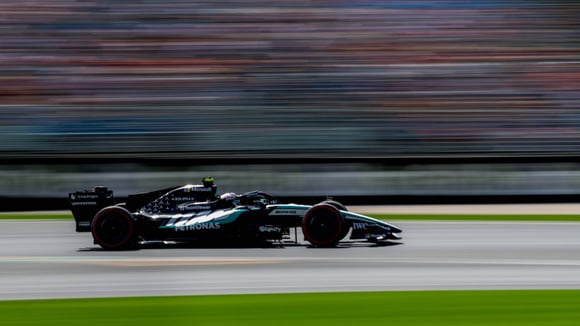
On March 8, 2026, Formula 1 kicked off its season in Melbourne with an electric atmosphere. With George Russell’s victory, Mercedes not only claimed the first race of the year but also asserted their early dominance over the competition. After a blistering start, Russell had to fend off Charles Leclerc, who took the lead from the first corner. This initial battle highlighted not only the performance of the W17 but also Mercedes’ bold strategy against a still-hesitant field.
The Russell-Leclerc Duel: A Glimpse of Future Rivalries
The race quickly turned into a captivating duel between Russell and Leclerc, each displaying unwavering determination. Overtakes were frequent, showcasing a rivalry that could define this season. Leclerc, in his Ferrari, proved he was ready to compete, but against a Mercedes that optimized its chassis and engine, he will need to step up his game to contest the title. This first clash promises a season full of twists and turns.
Retirements: A Revelation of Weaknesses
Retirements from Isack Hadjar and Valtteri Bottas cast a shadow over the hopes of certain teams. Hadjar, who shone during qualifying, saw his engine fail on lap 11, illustrating the technical challenges facing this new generation of cars. Such failures could impact the development and reliability of teams, particularly Red Bull and Alfa Romeo. These incidents underscore the critical importance of reliability in a championship where every point counts.
Tire Strategies: A Chess Game on Track
Strategic tire choices proved crucial during the race. While Mercedes opted for a timely switch to hard tires, Ferrari chose to stay out, ultimately playing into the hands of the Silver Arrows. This type of decision highlights the importance of strategy in race management and could influence team tactics for upcoming events. This first race has paved the way for necessary adjustments for competitors.
A New Regulation and Its Implications
This season is marked by the introduction of a new technical regulation aimed at reducing costs and promoting balance among teams. However, as shown by the Australian GP, the transition is not without its bumps. Teams will need to adapt quickly to avoid falling behind. Indeed, this new era could shuffle the deck and offer opportunities to teams that have struggled in the past. The stakes are high: improved regulation could revitalize the championship in the long run.
In Summary
- Mercedes starts strong with a double podium at the 2026 Australian GP.
- Leclerc and Russell face off in a promising duel for the season.
- Retirements reveal technical weaknesses in some teams.
- Tire strategies play a key role in the outcomes.
- The new regulation could redefine the balance of power in F1.
Conclusion:
The Australian Grand Prix not only served as a stage for a remarkable victory for Mercedes but also highlighted the challenges and dynamics that lie ahead for the rest of the season. For teams like Ferrari and Red Bull, the time for adaptation and innovation is now. The coming months promise excitement, with a championship that could evolve under the influence of these new regulations and emerging rivalries. The question remains: who will make the most of this new era?


